How do I build a minimum viable product (MVP) marketplace?
An MVP marketplace is the smallest credible version that tests its riskiest assumptions through a working completion path - for marketplaces, think minimum viable platform, not a throwaway demo.
An MVP marketplace is the smallest credible version that tests its riskiest assumptions through a working completion path. Depending on the model, that path may be a payment, booking, lead, quote or controlled manual equivalent, so you can test demand before you build anything else. For a marketplace, that means thinking in terms of a minimum viable platform, not a throwaway demo: a thin, working slice that early adopters can actually use, not a set of screens that only look finished.
At Code23 we build that thin slice through focused marketplace development, or a related SaaS platform build, before the feature list grows. Once you've validated the idea, the MVP marketplace is how you prove people will actually use it: real listings, a real completion path and real feedback, not a slide deck or a set of static mockups.

Who should test your MVP marketplace first?
Start by identifying likely early adopters: the people most likely to try your multi-vendor marketplace and provide useful feedback. You want to present them with core features that mean you are solving their needs. Suitable early adopters can provide behaviour and feedback that shows what to improve; there is no single ‘optimum’ version.
Validate the core transaction before committing to a full build. The worst thing that can happen to your marketplace is that no-one uses it because you’re not offering a product anyone wants. You need to validate your marketplace from the start, and this is one of the benefits of a minimum viable product. If you begin without doing this, you’re building on guesswork instead of evidence, and that’s an expensive way to find out what your market actually wants.
Although this is all part of the process and something of a ‘prototype’, make the MVP reliable and credible enough for the test; it does not need to look finished. It won’t be perfect at this stage as you won’t have had the feedback yet, but it does need to deliver what you’re promising so the feedback is based on what your marketplace will actually be like. Bugs or unclear presentation can distort feedback, so distinguish execution problems from demand for the idea.
That will result in poor feedback that might have nothing to do with your core idea, simply how you’ve presented it. Use the evidence to choose the next iteration rather than promising a ‘perfect’ product.
When you look at building a minimum viable product for a marketplace, it helps to think of MVP as standing for Minimum Viable Platform rather than product, because you're testing a two-sided experience, not a single feature. An MVP is one route, while interviews, concierge tests and working prototypes can test some assumptions earlier; live use provides stronger evidence, but pre-launch research and manual tests also inform viability.
How do you build an MVP marketplace with a partner?
So how do you go about building a minimum viable product? If you’re not a developer, and most founders aren’t, work with a delivery partner that understands the product, challenges the scope and makes the test credible.
A delivery partner (like us!) can challenge scope, handle implementation and help you separate product evidence from execution problems, though no partner can guarantee equal personal investment or that every response will be accurate and actionable. Aim for a marketplace that's professional and functional from day one, so vendors and customers can start using it.
"James and his team is always responsive to any support I need and did an excellent job in re-designing and re-building our marketplace website… It was great to be part of the re-design process and working with James and his team has been a truly positive experience."
We aim to make the marketplace platform easy to administer and to set things up so you can concentrate on your idea and the research. We take care of the coding, hosting and payment system, so your MVP is ready to go.
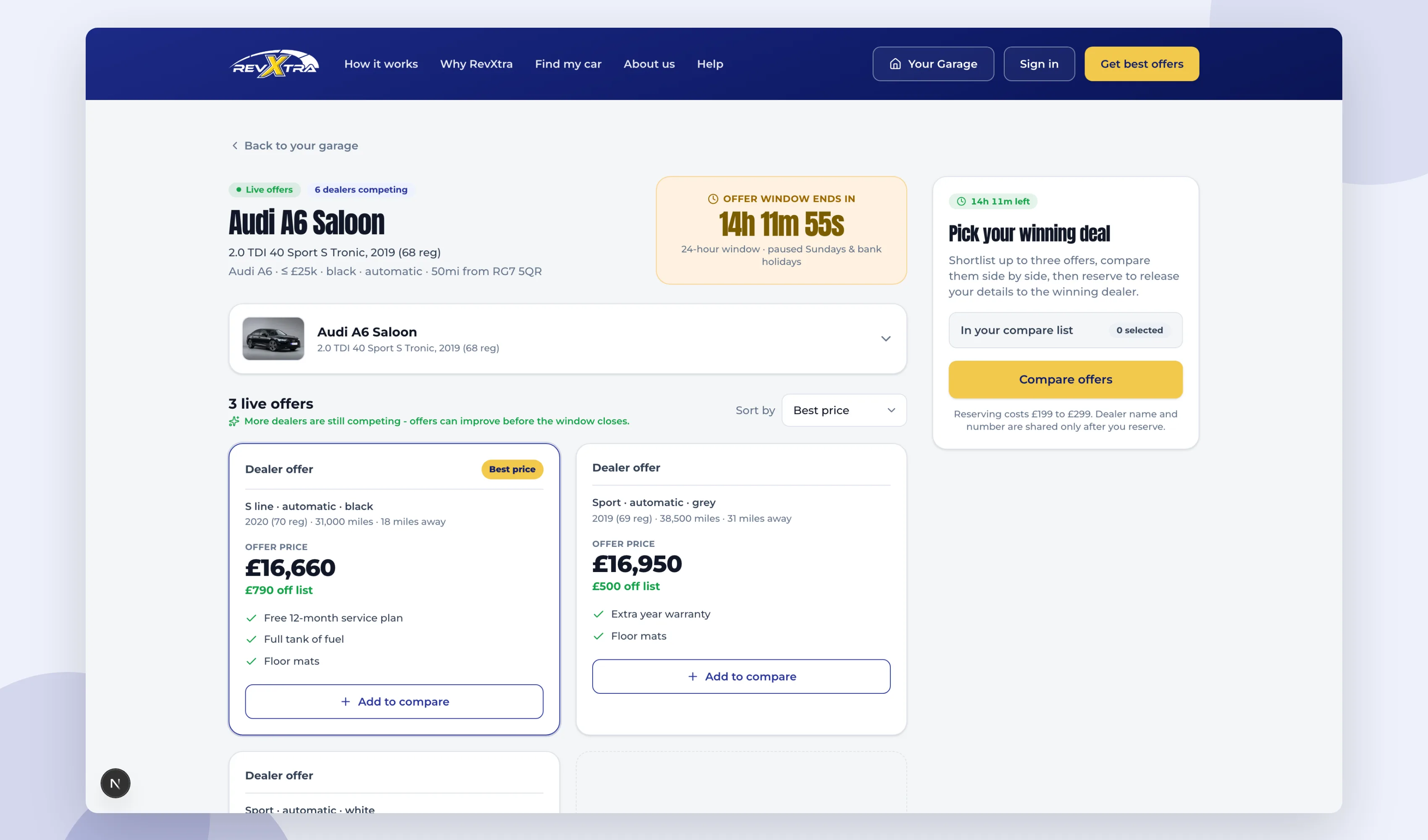
Before launching, be clear in your own mind what it is you want to learn from the launch and what information will enable you to determine if your assumptions about your marketplace are correct. To do that you’ll need to define the Key Performance Indicators (KPIs) of your marketplace to see if they are met.
Frequently asked questions
What should an MVP marketplace include?
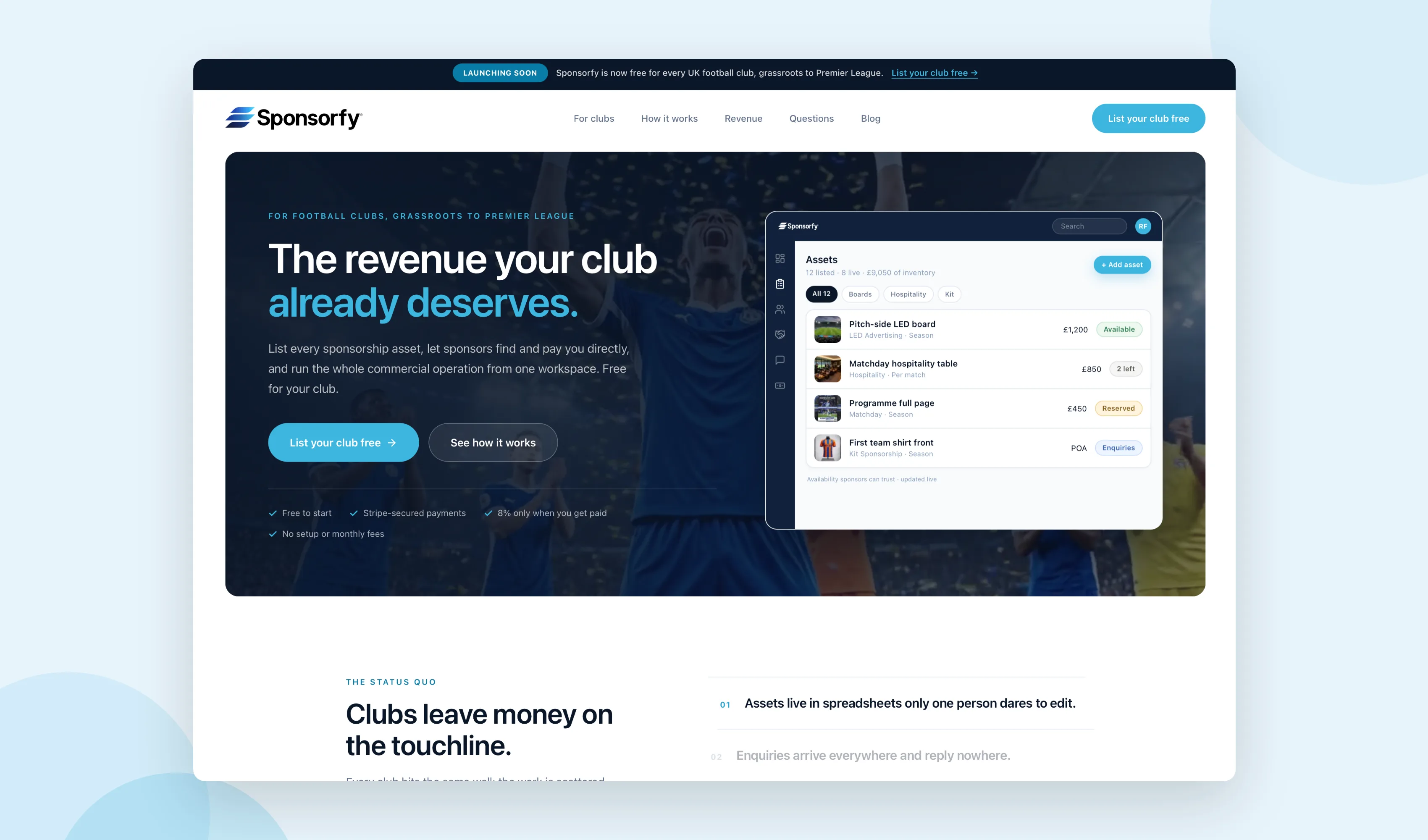
Include what is needed to test the riskiest assumptions with real users and a working completion path: listings, discovery, the checkout, booking, lead, quote or manual step you're testing, and basic admin controls where they support that path. Add anything beyond that once early adopters show what's actually missing. Polished enough to trust, thin enough to ship quickly.
Is a marketplace MVP the same as a prototype?
No. A prototype can fake flows; an MVP marketplace should let real buyers and sellers complete a live payment, booking, lead, quote or controlled manual equivalent. You are testing a minimum viable platform in live conditions, not pitching slides. Feedback is strongest when users can actually transact, even via that manual equivalent.
How do I choose features for a marketplace MVP?
Start from the job early adopters need done and cut anything that does not help that job complete. Validate willingness to pay and acquisition paths first, then encode that into a short feature list. Include essential compliance, safety, trust and operational controls; defer other features until evidence justifies them.
What should I measure after launching an MVP marketplace?
Measure whether both sides return and complete the path you're testing - liquidity, conversion, repeat use and, where fees apply, take-rate acceptance. Define those KPIs before launch so you know which assumptions to keep or kill. Vanity traffic without completed jobs is not validation.
How much does it cost to build an MVP marketplace?
It depends on which features count as your core completion path and which ones can wait. A thin MVP with one credible completion path and basic administration usually costs less than a platform carrying later-stage features. We price marketplace builds at a fixed price agreed up front, not a day rate, and our marketplace cost guide breaks down what drives that number.
Do I need a developer to build a marketplace MVP?
Not always. No-code or manual tools can test simple flows; payments, multi-sided permissions, disputes or unusual integrations may justify specialist development. See our guide on how a marketplace actually gets built, then work with a team who can also take it further.
How long does it take to build a marketplace MVP?
Long enough to get the core transaction working properly. The timeline depends on scope and should be agreed after the core transaction and operational risks are known: a marketplace with listings, one payment flow and simple admin moves far faster than one with bookings, disputes and payouts from day one. We agree the real timeline once we know what's actually core to your idea.
Can I turn my MVP marketplace into the full platform later?
Yes, and that's the point of building a minimum viable platform rather than a throwaway demo. If the code and data model are built properly from the start, later features may be added incrementally when the architecture still fits, but a major pivot can require rework. That's one reason it's worth building your MVP with a team who can also take it further afterwards.
Next step
Don’t start your MVP marketplace by building every feature you can think of. Start by identifying the riskiest assumption, the completion path needed to test it and the first users who’ll try it.
That’s the whole point of an MVP: proving demand before you commit to the rest. We’ve built 50+ marketplaces over 15+ years and use that experience to challenge which features belong on day one and which can wait.
Build the marketplace
Start with the workflows that make the model work.
We’ll map buyers, sellers, payments and operations before the build, backed by experience from more than 50 marketplace projects.