What Is SEO? Search Engine Optimisation Explained for UK Businesses
SEO meaning in plain English: how Google ranks pages, what technical and local SEO are, what an SEO agency does month to month, and how SEO sits beside AEO.
SEO means search engine optimisation: the work of helping your website show up in Google for the searches your buyers already type, then turning those visits into enquiries. It covers technical fixes so Google can crawl and index the site, pages that answer real searches, local and ecommerce work where it matters, and reporting in numbers you can check in Search Console and GA4.
This guide is the plain-English definition for UK buyers. For prices, see How much does SEO cost in the UK?. For paid search beside organic, see SEO vs PPC. The live offer sits on our SEO page.
What SEO means in plain words
SEO meaning, stripped of jargon: you make it easier for Google to find your pages, understand what they are about, and show them when someone nearby or nationwide searches for what you sell. When that works, you get visits you did not pay for per click. When those pages make it easy to call, book or buy, you get enquiries.
What you get from proper SEO:
- Pages Google can actually read (crawl and index)
- Content shaped around the searches that lead to business, not vanity terms
- Local signals when nearby buyers matter (Maps, Business Profile, local pages)
- Links and mentions that help Google trust the site
- A monthly report tied to rankings, traffic and enquiries you can check yourself
SEO is not a guaranteed number-one ranking, a one-week fix for a broken migration, or a monthly PDF of positions with no link to the phone ringing.
How Google decides who ranks
Google’s process has three plain steps. Crawl means its bots fetch your pages. Index means it stores and understands the ones worth keeping. Rank means it picks which indexed pages to show for a given search, and in which order.
If a page cannot be crawled (blocked, broken, trapped behind login or heavy client-side rendering), it cannot rank. If it is crawled but thin, duplicated or off-topic, it rarely ranks well. If it is solid but many stronger pages already answer the same search, you still have work: clearer answers, better internal links, stronger mentions elsewhere, or a more specific page.
Google also weighs whether the page matches what the searcher wants (a definition, a local plumber, a product to buy), whether the site looks trustworthy, and whether the experience is usable on a phone. You do not need the full ranking-factor folklore. You need a site Google can read, pages that answer the search in the first screen, and measurement so you can see what moved.
The three parts of SEO
Most useful SEO work sits in three buckets. Agencies dress them up; the jobs stay the same.
| Part | What it is | What you get |
|---|---|---|
| Technical | Crawl access, indexation, redirects, speed, mobile rendering, structured data | Money pages that Google can fetch and keep in the index |
| Content | Keyword choices, service pages, guides, on-page clarity | Pages that answer the searches worth winning, with a clear next step |
| Authority | Links, mentions, local citations, brand consistency | Trust signals that help competitive terms and local pack results |
You rarely win by doing only one. A brilliant guide on a site Google cannot crawl goes nowhere. Perfect technical health with content written for nobody ranks for nothing useful. Links to thin or blocked pages waste the effort.
What is technical SEO?
Technical SEO is the work Google’s crawlers need before content can rank: crawl access, indexation, redirects, canonicals, speed, mobile rendering and structured data. If the site cannot be read cleanly, content and links will not save it.
Typical technical jobs on a UK business site:
- Open what should be open in robots.txt and the live HTML
- Fix soft 404s, broken canonicals and redirect chains after a redesign
- Make sure the money pages are indexed (Search Console is the proof)
- Speed and Core Web Vitals so pages load on a phone without drama
- Structured data (Organization, Service, FAQ, Product where relevant) that matches the visible copy
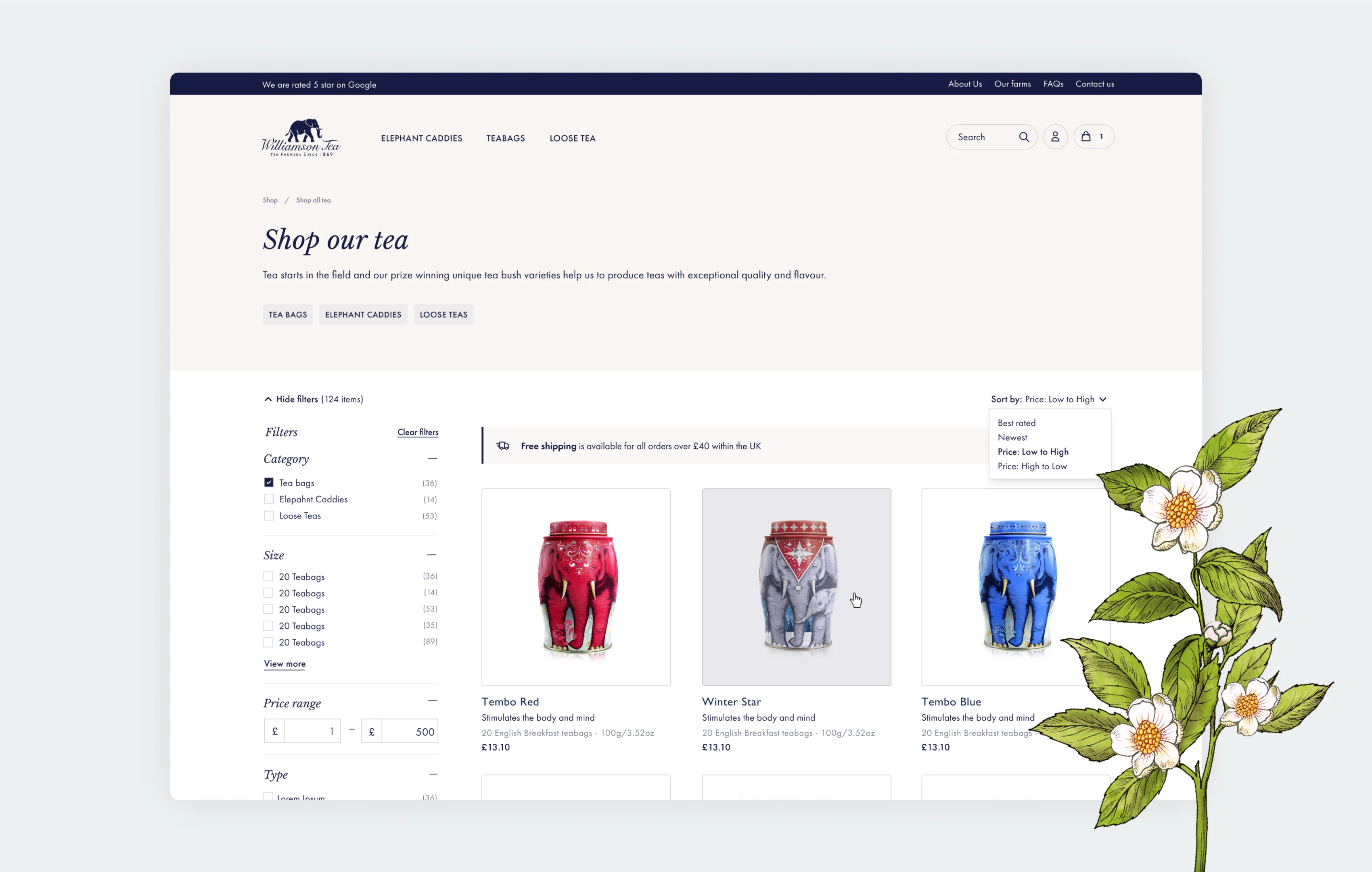
- Faceted navigation and template rules on ecommerce so filters do not explode the index
We publish a practical checklist in Website checklist: technical SEO audit. On client work we ship those fixes in the codebase that serves the pages, because we build the sites. A PDF of recommendations that nobody implements is not technical SEO done.
What is local SEO?
Local SEO is the work that helps nearby buyers find you in Google Maps and in organic results for place-shaped searches (“accountant Reading”, “web design Berkshire”). It covers Google Business Profile, local landing pages, and consistent name, address and phone across the web.
Worked example: local SEO in Reading and Berkshire (hypothetical)
This section is a labelled hypothetical. It is not a client case study and it does not claim Code23 results.
Imagine a six-person trade firm based in Reading that serves Berkshire. They already get some branded searches. Unbranded searches such as “emergency plumber Reading” and “boiler service Berkshire” show two rivals in the map pack and one national directory. Their Business Profile has an old phone number, three service categories that do not match what they sell, and no posts in six months. The website has one generic “Areas we cover” page and no town-level pages.
A sensible local SEO programme for that firm would typically:
- Correct the Business Profile (categories, services, photos, hours, NAP)
- Publish clear Reading and Berkshire service pages with a direct answer and a phone number above the fold
- Align name, address and phone on the site, directories and profile
- Earn a handful of relevant local mentions where they support those terms
- Watch map pack presence, calls and direction requests beside organic clicks
Success in this hypothetical is more of the right local enquiries, measured in Search Console, GA4 and the Business Profile insights. Failure is stuffing town names into one thin page, or buying fake reviews.
We are based in Reading and work across Berkshire and Oxford. Local SEO sits on the same SEO programme as national work when the keyword map says nearby demand matters. Related: web design in Reading when the site itself is the bottleneck.
What does an SEO agency actually do?
Month to month, a good SEO agency finds what you already rank for, fixes what stops Google reading the site, chooses the keywords worth winning, writes pages that answer them, earns links and local signals, and reports what moved. At Code23 we also ship the technical fixes in your codebase.
A typical month is not a black box. It looks like this:
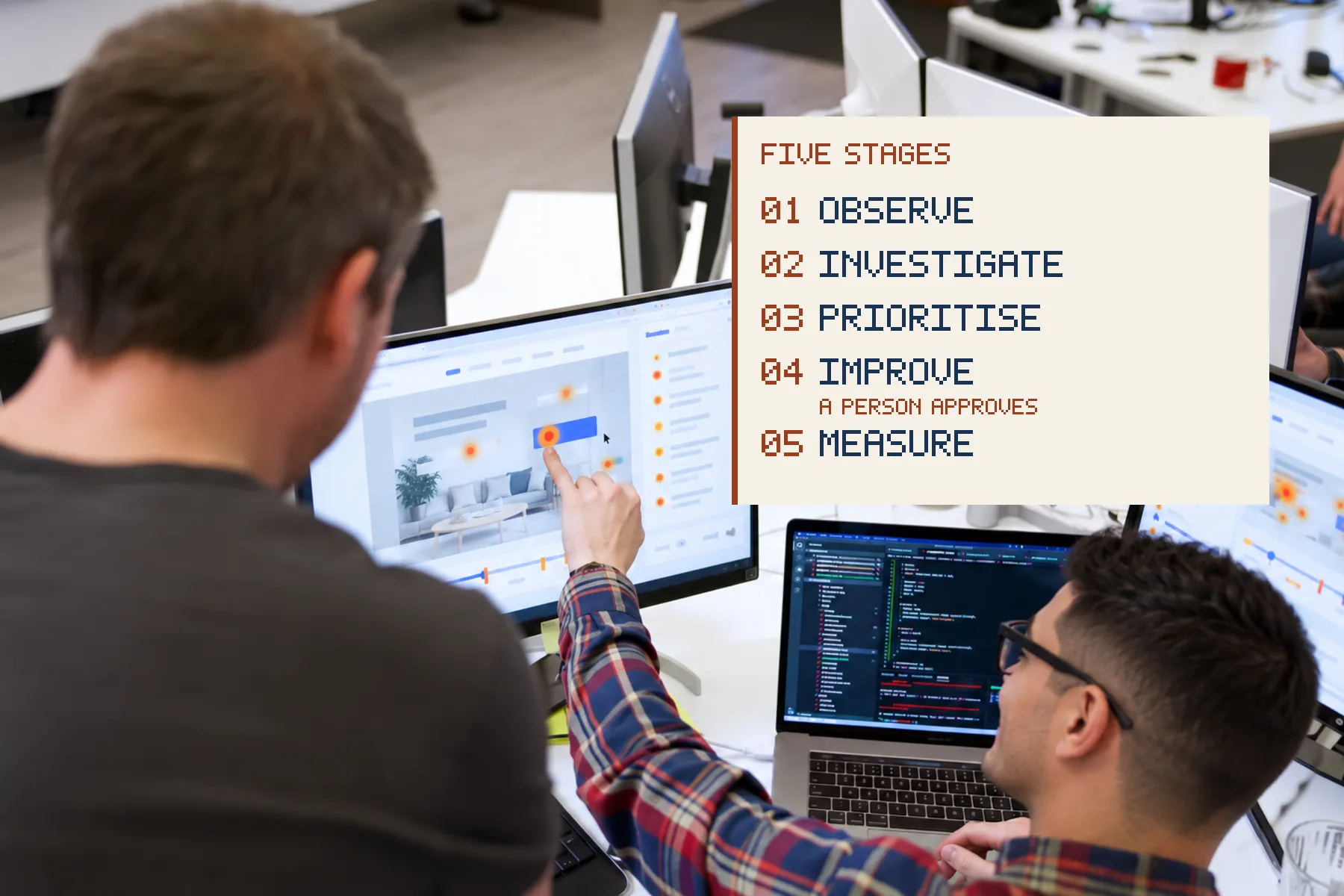
- Check where you stand. Search Console, rankings on the agreed keyword list, crawl health, and the pages that already bring people.
- Ship technical fixes. Crawl blocks, index errors, redirects, speed and structured data, in priority order.
- Work the keyword map. Demand, competition and commercial fit. A short list you can act on, not a thousand-row dump.
- Publish or improve pages. Service pages, local pages and guides with a clear answer in the first screen and a clear way to get in touch.
- Earn links and local signals where they support the terms you chose.
- Report in five minutes. What changed in Search Console and GA4, what we shipped, what is next.
That is the honest rhythm. Tools help with crawling and monitoring. People still decide the diagnosis, approve what ships, and own the monthly review.
"…have been working on our SEO for a year or so now. On the back of this they've completely re-designed our site, which has just gone live. We're delighted with it. Code23 give excellent service - always professional, prompt and technically superb…"
What is the 80/20 rule for SEO?
The 80/20 rule for SEO means most of the enquiries usually come from a small share of pages and keywords. Put most of your effort into the money pages, the commercial searches that already show demand, and the technical problems that block those pages. Do not spread the budget evenly across every blog idea in a brainstorm.
In practice: fix crawl and index issues on the pages that already get impressions, rewrite the service pages that sit on page two for terms that convert, and park the long list of low-intent posts until the core is healthy. Our audits start with what Google already sends you for exactly this reason.
SEO vs AEO in one paragraph
SEO earns rankings and clicks on a results page. AEO (answer engine optimisation) earns being named and cited inside AI answers from ChatGPT, Claude, Gemini and Google AI Overviews. They share foundations (crawl, index, schema, speed). You need both; AEO fails without SEO. The full job-by-job comparison is in AEO vs SEO.
Common mistakes
Content for nobody. Posts and service pages that answer no real search. Volume without intent wastes crawl budget and writer time.
A redesign without a redirect map. Years of rankings can drop overnight when old URLs die. Rebuild redirects from the old sitemap and Search Console before you celebrate the new design.
Ranking reports with no link to enquiries. A spreadsheet of positions is not a business update. Tie rankings to traffic and enquiries on the pages that matter.
Blocking crawlers by accident. Aggressive WAF rules, mis-set robots.txt or JavaScript-only money content silently opt you out of the index.
Buying cheap link packages. Networks of low-quality links can harm more than help. Earn mentions that make sense for your category.
Guaranteed number-one rankings. Nobody who is honest can promise a fixed position in Google. Buy a clear picture of where you stand, a prioritised fix list, and monthly reporting you can check.
Ignoring local when you sell nearby. A national blog strategy will not fill a Reading map pack gap.
FAQ
What will an SEO agency do for us each month?
A good SEO agency finds what you already rank for, fixes what stops Google reading the site, chooses the keywords worth winning, writes pages that answer them, earns links and local signals, and reports what moved. At Code23 we also ship the technical fixes in your codebase, because we build the sites. See the SEO page for the fixed audit.
Is technical SEO different from normal SEO?
Technical SEO is the crawl, index, redirect, speed, mobile and structured-data work that lets Google read the site cleanly. Without it, content and links struggle. Start with our technical SEO audit checklist or the fixed Technical SEO & Content Audit on the service page.
Where does the 80/20 rule apply in SEO?
Focus most effort on the small set of pages and keywords that drive most of the enquiries. Fix what blocks those pages first, improve the commercial pages next, and leave low-intent ideas until the core is healthy.
SEO still sends the bulk of high-intent website visits for most UK service and ecommerce businesses. AI answers change how some research starts, but rankings, crawl health and clear pages still decide whether you show up. If you want the paid-search comparison, read SEO vs PPC. If you want UK prices for the audit and how ongoing work is quoted, read How much does SEO cost in the UK?. Or start with the fixed-price audit on SEO.
Does SEO still matter now AI answers exist?
Yes. SEO helps search engines crawl, understand and rank pages. Clear, accessible, well-supported content also improves eligibility for AI search, but answer engines use different indexes and citation systems. AEO (answer engine optimisation) is the newer skill of getting named inside AI answers from ChatGPT, Gemini and Google’s AI Overviews, and it builds on many SEO practices without guaranteeing inclusion. See AEO vs SEO for the full comparison.
How long does SEO take to show results?
Technical fixes can move quickly: a blocked page can start getting crawled again within days of unblocking it. Content and authority work take longer, because new pages take time to be crawled and indexed, and links and mentions build up gradually. There’s no single number that applies to every site. A proper audit tells you which of your problems are quick fixes and which will take longer, so you’re not guessing.
Can I do SEO myself instead of hiring an agency?
Plenty of the basics are doable yourself: writing clear pages, fixing obvious technical errors, keeping your Google Business Profile up to date. Where it gets harder is diagnosing what’s actually holding you back, prioritising the fixes that move the needle, and keeping it going every month. An agency earns its fee by doing that consistently, not by guarding secret tricks. Talk to us and we will tell you where you stand either way.
Next step
Ongoing SEO works best with regular monitoring of crawlability, rankings and enquiries. That’s the job, however good the definition sounds on paper.
We’ve delivered 350+ projects since 2005, and when we fix SEO, the fix goes into the site itself, not a PDF nobody implements.
Search engine optimisation
Speak to us about your SEO
Talk to us about where your site stands. The fixed £1,500 audit crawls every page and gives you a prioritised fix list.