Best Marketplace Platform: SaaS, Plugins or Custom?
The best marketplace platform depends on stage, transactions and operations. Compare SaaS, plugins, low-code and custom routes. No universal winner.
The best marketplace platform for your business depends on your stage, transaction model and operational requirements. There is no universal winner. Dedicated marketplace SaaS, a commerce CMS with marketplace plugins or apps, a low-code or API-backed approach, and a custom build are different categories with different trade-offs. Custom is not automatically best. Many teams should start with an off-the-shelf category and only move when measured requirements force more control.
This guide helps you choose a category, not a product ranking. Named products appear only as current examples of availability. For fundamentals of the multi-vendor model, read the guide to multi-vendor marketplaces. If demand is still unproven, pair this with how to validate a marketplace idea before you pay for a larger build.
Short summary
- The right category depends on stage, how money and fulfilment move, and how much operational ownership you can carry.
- Dedicated marketplace SaaS and no-code products are strong for validation and early ops when your loop fits their model.
- Commerce CMS plugins and apps can extend a store you already run, but they are not proof that a standard storefront is a full multivendor operating system.
- Low-code and API-backed approaches can validate workflows quickly, then need platform-specific logic as operations deepen.
- Custom builds buy control. They also buy discovery, engineering, maintenance and operational ownership.
- Off-the-shelf becomes unsuitable when payments, roles, integrations, governance or roadmap control exceed what plugins and apps can sustain.
Four build categories compared
Sharetribe’s ways to build a marketplace platform frames several development approaches, from coding from scratch through plugins, no-code tools and API-backed SaaS. Use that as a map of options. The table below consolidates the choice into four buyer categories.
| Category | Best fit | Launch / validation | Control | Operational ownership | Main constraint | Typical next step |
|---|---|---|---|---|---|---|
| Dedicated marketplace SaaS / no-code | Matching loop fits the product model | Often the shortest path to a live marketplace loop | Config and brand within product limits | Vendor hosts core marketplace rails | Model fit and extension limits | API / custom extensions on the same product, or migrate when ops outgrow it |
| Commerce CMS + marketplace plugin / app | You already run WooCommerce or Shopify-style commerce | Faster if the store stack is known | Themes, plugins and apps; UX often constrained | You own hosting/plugins or the commerce SaaS plus app vendors | Plugin/app dependency chain | Harden the stack, or move to API-backed / custom when workflows break |
| Low-code or API-backed | Need custom UX or workflows on proven rails | Medium: faster than greenfield, slower than pure no-code | High on front end and integrations; backend limits vary | Split between you and the platform provider | Integration depth and platform-specific logic | Extend in place, or graduate selected parts to custom services |
| Custom marketplace build | Complex roles, payments, fulfilment or governance | Slowest to first useful release | Highest if you own the stack | You own build, host, security and change | Discovery, engineering and long-term maintenance | Iterate in place; avoid rewriting unless the architecture is the constraint |
Dedicated marketplace SaaS / no-code marketplace product
Best fit. Early product and service marketplaces where listings, search, messaging, bookings or orders, and basic payments match a dedicated marketplace product.
Launch / validation stage. Strong when you need a live matching loop quickly to test demand, pricing and operations without building core rails yourself.
Control / customisation. Branding, configuration and feature toggles inside the product. Deeper uniqueness usually waits for the product’s extension path.
Operational ownership. The vendor typically hosts core marketplace software, updates and a large share of platform reliability. You still own growth, support policy and commercial rules.
Main constraint. Fit to the product’s transaction model. If your roles, fees or fulfilment steps sit outside that model, you will fight the product instead of learning from customers.
Migration / extension path. Many dedicated products offer no-code launch plus API or custom-extension routes. Sharetribe is one current example with both no-code and API/custom-extension paths: ways to build a marketplace platform. Extend on the same rails while the model fits; plan a migration only when measured ops requirements exceed what extensions can carry.
Commerce CMS plus marketplace plugin or app
Best fit. Teams that already run a content or commerce stack and need multivendor features without replacing the whole storefront.
Launch / validation stage. Useful when the CMS or commerce platform is already known to the team and the first marketplace loop is relatively simple.
Control / customisation. You customise through themes, plugins and apps. Buyer and seller experience often follows the base storefront rather than a purpose-built marketplace UX.
Operational ownership. On self-hosted stacks you own hosting, updates and plugin conflicts. On hosted commerce you share ownership with the platform and each marketplace app vendor.
Main constraint. Dependency chains. Marketplace behaviour is often assembled from several extensions, each with its own release cycle and limits.
Migration / extension path. Examples of the category include WooCommerce Product Vendors and the third-party Webkul MultiVendor Marketplace Shopify app. Those links show that multivendor capability exists as plugins or apps. They are not proof that standard Shopify or a default WooCommerce store is a complete multivendor operating system on its own. When payouts, approvals or catalogue rules outgrow the plugin set, move toward API-backed rails or a custom build rather than stacking more fragile apps.
Low-code or API-backed marketplace approach
Best fit. Teams that need custom front ends, workflows or integrations while reusing marketplace or payment infrastructure instead of inventing every primitive.
Launch / validation stage. Good for an early operational MVP when pure no-code is too shallow and full custom is too slow. You can validate workflows faster than greenfield engineering usually allows.
Control / customisation. High on UX, roles and integrations. Backend and payment primitives still follow the chosen platform’s model.
Operational ownership. Split. You own the custom layer, integrations and often the front end. The platform provider owns the shared marketplace or payment services you call.
Main constraint. Platform-specific custom logic. As operations deepen, edge cases gather in your code and in the seams between tools.
Migration / extension path. Keep extending against the API while the shared rails remain the right foundation. Extract only the domains that need stronger ownership. Pair payment design with Stripe’s marketplace overview and essential marketplace tasks when Connect is in scope. For a lighter first release, see how to build a minimum viable product (MVP) marketplace.
Custom marketplace build
Best fit. Proven or complex marketplaces where transaction flow, roles, integrations or governance cannot be expressed cleanly on a standard product model.
Launch / validation stage. Usually a poor first bet for demand validation. Prefer proving the loop with a lighter category unless the idea is unusable without custom mechanics from day one.
Control / customisation. Highest when you own the architecture, data model and release process.
Operational ownership. You (or your delivery partner) own discovery, engineering, hosting, security, monitoring and ongoing change. That ownership is the point, and the cost.
Main constraint. Time and operating load. Custom removes third-party product limits and replaces them with delivery and maintenance work.
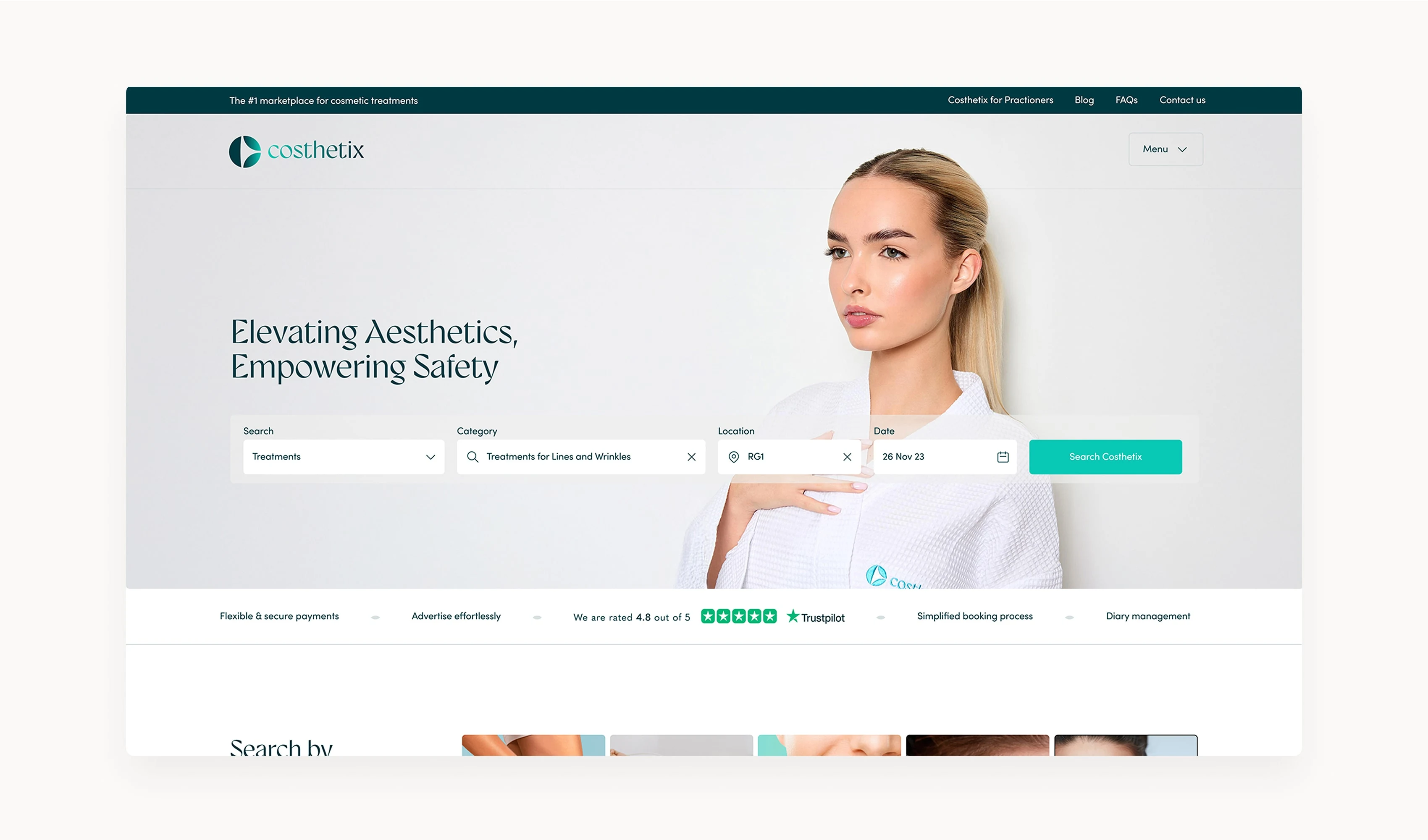
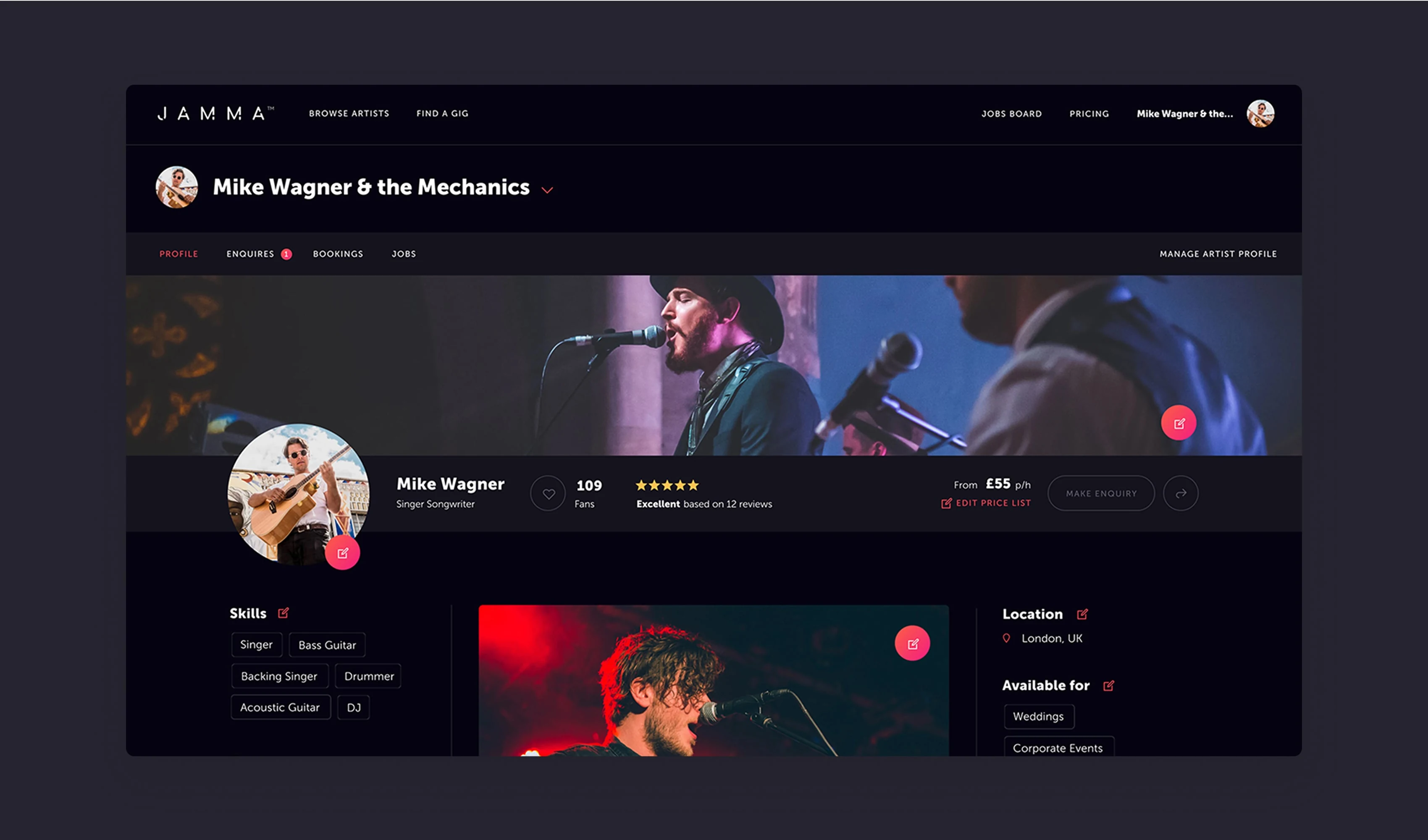
Migration / extension path. Iterate on the codebase as requirements change. Budget for product discovery and phased delivery, not a one-shot “build everything” project. Cost and scope framing live in how much does it cost to build an online marketplace. Code23’s marketplace development work sits in this category when a custom or heavily extended path is justified.
"…did an excellent job in re-designing and re-building our marketplace website. This was a very complex job with separate shops/payments/blog/categories and everything was custom coded and designed for our website…"
When off-the-shelf becomes unsuitable
Use this decision section when an existing SaaS, plugin or app stack starts blocking real operations. The trigger is measured friction, not a preference for custom work.
Stripe Connect account onboarding, payment routing, fees, refunds & payouts
Marketplaces that take payment and pay sellers need explicit design for connected-account onboarding, payment routing, application fees, refunds, disputes and payouts. Stripe documents that model in its marketplace overview and the essential marketplace integration tasks. If your plugin or app cannot express your fee, hold, refund or payout rules without brittle workarounds, you have outgrown the payment surface of that stack. See also Stripe Connect for marketplaces and understanding transaction flow on your marketplace.
Custom transaction & fulfilment workflows
Orders that need approvals, escrow states, multi-party fulfilment, partial capture or non-standard booking calendars often exceed what store-oriented plugins assume. If operators keep moving steps into spreadsheets or side tools, the platform is no longer the main operating platform.
More than simple buyer & seller roles
Admins, approvers, brokers, teams, branches and delegated vendor staff change permissions, dashboards and audit needs. Simple buyer/seller templates struggle once those roles become daily operations.
External system integrations & data ownership
ERP, CRM, WMS, identity, tax and reporting integrations raise the bar. Off-the-shelf stacks can connect to many tools, but you still need clear ownership of master data, sync failure handling and export rights. If you cannot leave with clean listings, orders, balances and user records, the exit plan is already broken.
Governance, moderation, verification, permissions & auditability
Regulated categories, high-trust niches and B2B networks need verification queues, moderation workflows, permission matrices and auditable actions. When those controls are bolted on through disconnected apps, operators lose a coherent trail.
International or multi-currency requirements
Selling or paying out across currencies and regions adds localisation, tax handling and payout complexity. Treat this as an operational and product-design problem. Do not treat a plugin toggle as legal advice, and do not claim a stack is “globally compliant” without counsel and a concrete operating model.
Performance & scale against measured operational needs
Scale matters when you have measured concurrency, catalogue size, search load or reporting volume that the current stack fails under test or in production. Avoid vague promises of unconstrained capacity. Instrument the bottleneck, then decide whether configuration, infrastructure or architecture is the fix.
Roadmap control & plugin or app dependency chains
If your roadmap is blocked by an app vendor’s backlog, conflicting extensions or surprise pricing/API changes, dependency risk has become a business risk. Custom or API-backed paths give you more roadmap control. They also move maintenance onto your team.
For the wider feature map buyers expect, see marketplace features: understanding the essentials. Monetisation choices that interact with platform fit are covered in marketplace business models.
Stage-based decision route
Validating demand
Prove that both sides will complete a real exchange. Prefer dedicated marketplace SaaS / no-code, or a thin low-code prototype, so you spend time on liquidity and messaging rather than digging into how the platform is built. Read how to validate a marketplace idea.
Early operational MVP
You have early users and need reliable listings, search, checkout or booking, basic payouts and support workflows. Dedicated SaaS, a constrained plugin/app stack, or an API-backed MVP can all work. Choose the lightest category that can run the real transaction loop. See how to build a minimum viable product (MVP) marketplace.
Proven marketplace
Matching works and operators feel the limits: reporting gaps, awkward roles, payment edge cases or integration debt. Extend on API-backed rails if the foundation still fits. Move selected parts to custom services when the product model is the constraint. Do not rewrite everything because the marketplace is “serious” now. Serious operations still favour the smallest change that removes the measured blocker.
Complex or enterprise operations
Multiple role hierarchies, heavy governance, deep system integration or tightly controlled transaction states usually justify a custom or heavily engineered API-backed build. Budget for discovery, phased delivery and an internal owner for the platform. Custom is a fit here when requirements demand it, not because custom sounds more premium.
Marketplace requirements scorecard
Use this procurement checklist before you buy, configure or commission anything. Score each row as must-have now, later, or not needed. If a vendor demo cannot show the must-have rows in your real workflow, keep shopping.
| Area | Questions to answer before you choose |
|---|---|
| Participant roles | Which roles exist beyond buyer and seller? Who approves whom? |
| Listings | Who creates, edits, approves and archives listings? What fields and media are mandatory? |
| Search | What must be filterable or ranked for your category to convert? |
| Booking / order | Is the commercial event a cart checkout, a booking, a quote, or a multi-step approval? |
| Payments | Who is merchant of record? How do application fees, holds and taxes behave? |
| Fulfilment | Who ships, delivers or performs the service, and how is status tracked? |
| Refunds / disputes | Who can refund, partially refund or escalate, and what evidence is stored? |
| Payouts | When do sellers get paid, in which currency, and who handles failed payouts? |
| Reporting | Which operational and financial reports must exist in week one vs later? |
| Integrations | Which systems must sync, in which direction, and who owns failures? |
| Moderation | What verification, content review and trust signals are mandatory? |
| Data export / exit plan | Can you export users, listings, orders, messages and balances in usable formats? |
If you cannot answer payments, payouts, roles and exit clearly, you are not ready to lock a long-term platform decision.
FAQ
Is there one best marketplace platform?
No. The best category depends on stage, transaction design and operational requirements. Product comparisons that crown a universal winner usually ignore those constraints.
Is a custom marketplace always better?
No. Custom buys control and ownership. It also requires more discovery, engineering, maintenance and operational capacity. Many teams should validate on SaaS or a constrained stack first.
When should I use WooCommerce or Shopify for a marketplace?
When you already run that commerce stack and your multivendor loop fits a mature plugin or app, with eyes open about dependency and UX limits. Treat WooCommerce Product Vendors and Webkul MultiVendor Marketplace as category examples, not as proof that the base storefront is enough on its own.
When do Stripe Connect requirements force a deeper build?
When onboarding, routing, application fees, refunds, disputes or payouts cannot be expressed safely in your current plugin or app model. Use Stripe’s marketplace and essential tasks docs as the capability checklist, then decide whether to extend or rebuild the payment layer.
Can I start on SaaS and move to custom later?
Yes, if you protect an exit path: clean data export, documented workflows and payment records you can migrate. Starting on SaaS does not trap you if you treat migration as a planned option rather than an emergency.
What should I decide before talking to a development partner?
Your stage, the must-have scorecard rows, the transaction flow, who handles payouts and disputes, and which integrations are non-negotiable. Bring that into a contact conversation so scope reflects real operations, not a feature wish list.
What’s the trade-off between SaaS and a custom-built marketplace platform?
SaaS can get a marketplace live faster because the vendor already built the rails: listings, messaging, basic payments. You trade some control for that speed, and extension only goes as far as the product allows. Custom buys the opposite: full control over your data model, roles and payment flow, at the cost of discovery, engineering time and ongoing ownership. Neither is automatically right. Match the choice to your transaction model and how much operational load you can carry.
Which platform is best for a B2B marketplace?
B2B marketplaces usually need more than buyer and seller roles: company accounts, approval chains, quotes instead of a cart, and account credit. A generic SaaS or plugin can prove the loop, but teams may need an API-backed or custom build when purchase orders, multi-user companies or custom pricing tiers make the off-the-shelf model unsuitable.
How do I know which category is right before I commit?
Score your must-haves against the requirements table above: roles, payments, fulfilment, reporting and exit plan. If you can’t answer those clearly, you’re not ready to lock in a platform yet. Our free Marketplace Growth Review is a 30-minute call where we help you match your answers to the right category before you spend anything on development.
Next step
If you’ve read this far, you already know there’s no universal winner. What matters is matching your stage, transaction model and operational capacity to the right category, and knowing when it’s time to move up.
There are two ways to get a straight answer. The Marketplace Growth Review is a free 30-minute call to help you judge whether SaaS, a plugin stack, low-code or custom fits where you are today. The Marketplace Growth Plan is the written version: your requirements scored against every category, with a fixed build price for the route that wins, credited in full against your build if you go ahead. We’ve built 50+ marketplaces over 15+ years and use the same scorecard to judge category fit.
Marketplace Growth Review
Find out which category actually fits
- A 30-minute call about your marketplace
- A straight answer: which category fits, and what to do next
- Buyer, seller and admin journeys reviewed
- Requirements scorecard, filled in properly
- Payments, roles and integration gaps, in priority order
- Marketplace SEO and AI search check
- Platform recommendation and a fixed build price
- A 90-day plan
Marketplace Growth Plan
What fits, what it costs, in writing
- Buyer, seller and admin journeys reviewed
- Requirements scorecard, filled in properly
- Payments, roles and integration gaps, in priority order
- Marketplace SEO and AI search check: the pages that bring in buyers, and whether ChatGPT and Google's AI answers mention you
- Platform recommendation: SaaS, plugin, API-backed or custom, with reasons
- A 90-day plan
- A fixed build price for the route that fits
- A written plan you can take to your board or investors
Once you know which category fits, we’ll help take you from requirements to a marketplace you can launch and grow on that route.
Build the marketplace
Start with the workflows that make the model work.
We’ll map buyers, sellers, payments and operations before the build, backed by experience from more than 50 marketplace projects.