Marketplace features: Understanding the essentials
Essential marketplace features cover listings, search, payments and splits, messaging, reviews, admin tools and dispute handling - start with the minimum that lets both sides complete a trusted transaction.
Essential marketplace features cover listings, search, payments and splits, messaging, reviews, basic admin tools and a way to handle disputes. Start with the smallest set that lets a buyer and a seller complete one trusted transaction, then add the rest as your marketplace grows. That’s the model behind Amazon, eBay, Airbnb and Uber, and it’s the model we use at Code23 when we build a marketplace: get the core journey right for customers, vendors and admins first, then layer in whatever each side asks for next.
This guide breaks marketplace features down by who uses them, customers, vendors and administrators, and by marketplace type, product, service or rental, so you can prioritise what your marketplace actually needs rather than copying every feature a bigger platform has.
Not every marketplace needs every feature on this list on day one. Build the ones that get a first transaction done, then add the rest once real users start asking for them.

The essential marketplace features
The marketplace features offered serve as the cornerstone of any thriving platform. They provide the functionality that enables smooth interactions among vendors, customers and administrators. From supporting customer account creation to inventory management and exhaustive reporting, each feature has a specific job in helping the marketplace run smoothly.
They construct the ecosystem where commerce can prosper and every stakeholder – be it the customer, the vendor, or the platform administrator – can reap substantial rewards.
Customer marketplace features
Account creation
The journey of a customer commences with account creation. It’s the initial interaction between the customer and your multi-vendor marketplace, hence it must be effortless and intuitive. While it is crucial to obtain necessary data from customers, strive to keep the process streamlined to avoid abandonment.
Search and discovery
Customers visit a marketplace to hunt for specific items or survey options before deciding to buy. Robust, intuitive search tools with features such as autocomplete, filters, and sorting capabilities can assist customers in quickly locating what they desire.
Listings
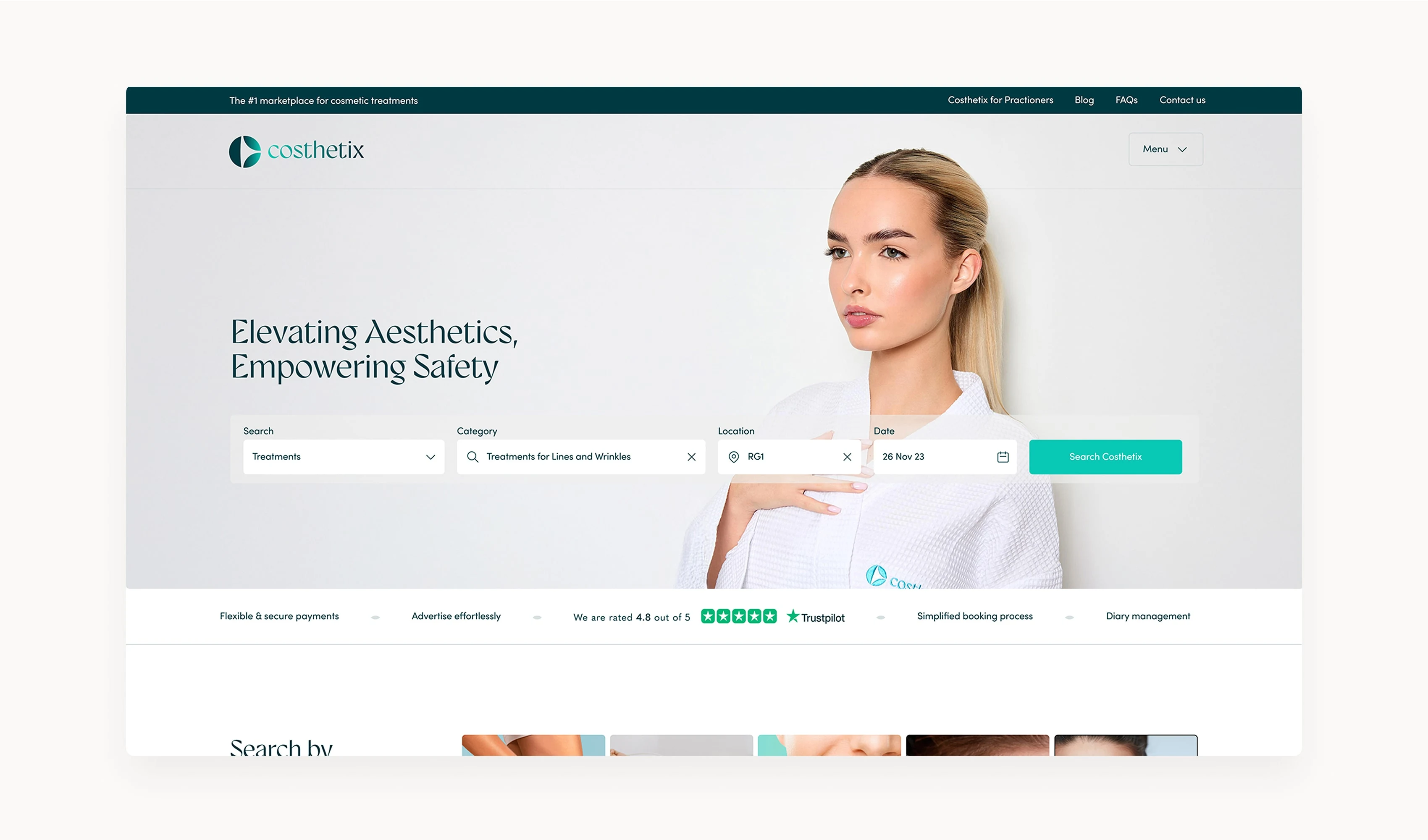
Clear, accurate listings with appropriate images, descriptions and pricing help buyers assess their options.
Reviews
Reviews can provide useful feedback. Transaction-gating and moderation reduce abuse but do not guarantee authenticity.
Abandoned carts
Customers often populate their carts but depart the marketplace without finalising the purchase. Tools to tackle abandoned carts – such as email reminders or offering discounts – can recover potentially lost sales and enhance conversions.
The average shopping cart abandonment rate is over 70%.
Baymard Institute
Checkout and secure payments
Offering supported methods your customers use can reduce checkout friction; every additional option still needs testing and monitoring.
Coupons, promotions, and gift cards
Discounts, promotions and gift cards can influence purchases, but their effect on retention and lifetime value should be measured.
Wishlists
Wishlists let customers save items and may provide preference signals, subject to consent and analytics quality.
Charitable Donations
Some marketplaces offer optional donations at checkout. Make the beneficiary, consent, fees and treatment of refunds clear.
Vendor marketplace features
Vendor registration and onboarding
An intuitive registration procedure is paramount to draw more vendors to your marketplace platform. Furthermore, a thorough onboarding process, with guidelines and tips, helps vendors grasp how to make the most of your marketplace.
Vendor dashboards
Dashboards act as the command centre for vendors. They should provide a synopsis of sales, orders, reviews, and any customer enquiries. The more detailed and user-friendly the dashboard, the simpler it is for vendors to effectively manage their operations.
Inventory management
For product-based marketplaces, inventory management is vital. This marketplace attribute helps vendors monitor their inventory levels, manage SKUs, and get notifications when it’s time to replenish, reducing the risk of losing a sale to an item being out of stock.
Cross-sells and up-sells
Relevant cross-sell or upsell recommendations can increase average order value, but measure their effect.
On-platform communication
Messaging can help vendors answer enquiries and manage post-sale service; response quality and speed determine the outcome.
Customer management
Tools and marketplace functionalities that allow vendors to handle customer relationships – such as tracking customer preferences, managing loyalty programs, or addressing complaints – can notably enhance the customer experience and boost repeat business.
Administrator marketplace features
Multi-currency and multi-language
If your marketplace functions in multiple countries, providing multi-language and multi-currency can make your marketplace more accommodating for a global audience. It can facilitate the process of buying or renting, making it smoother for individuals, regardless of their geographic location or language.
Content Management System (CMS)
A versatile CMS assists administrators in managing content across the marketplace. From product descriptions to blog articles and FAQs, a CMS simplifies the task of adding, modifying, or deleting content, making it easier to keep the platform current and relevant.
"Code23 totally redesigned and rebuilt my online marketplace (WowThankYou) nearly 3 years ago, and have continued to support the site, and us, ever since. … and when better technology comes along that we ought to consider they tell us about it."
Marketing
Provide only the marketing integrations required by the operating plan; tools do not themselves create visibility, acquisition or retention.
Reporting and analytics
Data is the lifeblood of any marketplace venture. Reporting and analytics tools can yield essential insights into sales patterns, customer behaviour, order management, vendor performance, and more. These insights can influence decision-making, shape marketing strategies, and aid in identifying areas requiring enhancement.
Bear in mind, while these marketplace features are fundamental, the requirements of every marketplace will vary based on your business and industry, the products or services it delivers, and its target audience. Therefore, dedicate time to comprehend your specific needs, customers, vendors, and business objectives to select and customise the optimal assortment of features for your marketplace platform.
Features for marketplace types
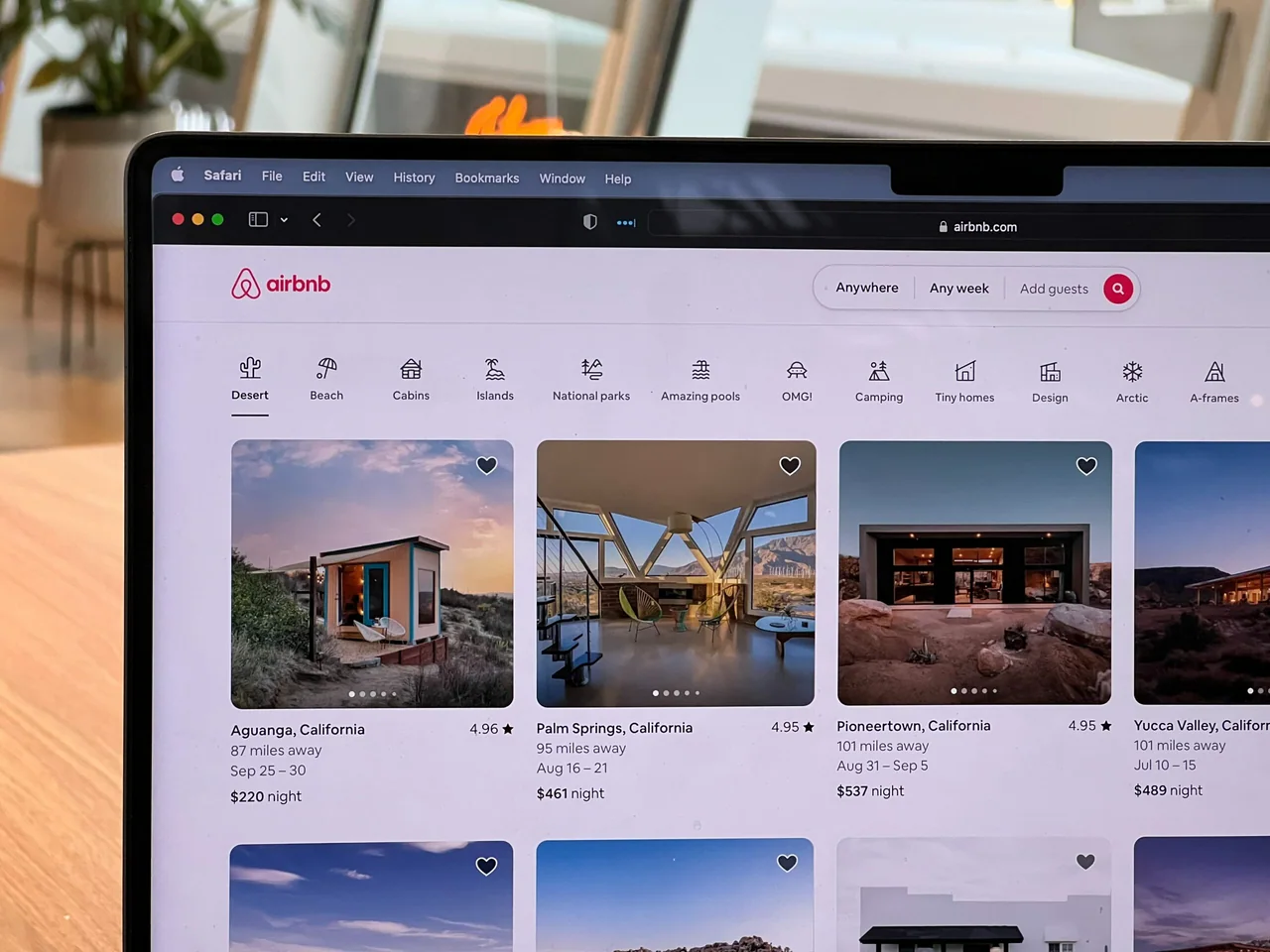
Depending on your marketplace and whether it’s product-based, service-based, or rental-based – additional marketplace features might be needed. These features attend to the distinctive needs of these different marketplace types and improve the user experience.
Product marketplace features
Product details, varieties, and imagery
Providing in-depth product information is fundamental for a thriving marketplace. Detailed specifications and high-resolution images significantly aid customers in making informed purchase decisions, especially in a product marketplace where physical examination of products isn’t possible.
Inventory management
Accurate, real-time inventory management is an essential feature for product marketplaces, preventing instances where customers order products that are no longer available. This cultivates trust among customers and reduces the risk of overselling stock that's no longer in hand.
Vendor ratings
Trust and transparency in a marketplace can be enhanced by incorporating seller ratings and reviews. It helps customers make educated decisions and encourages vendors to uphold good service.
Shipping and return policies
Transparent and efficient shipping policies and user-friendly return policies enhance customer experience. Revealing shipping charges, offering order tracking, and simplifying the return process significantly contribute to customer satisfaction.
Order tracking capabilities
Allowing customers to monitor the status of their orders in real-time improves transparency and customer contentment.
Shopping baskets
A sophisticated shopping cart is vital for the shopping process. It should enable customers to select multiple products, clearly show the total expenses, allow for discount codes, and enable effortless modifications like quantity adjustments or product removal.
Options for product variations
A system allowing for product variations like colour, size, or material gives customers a wider range of choices, thereby enriching their shopping experience. It also helps vendors efficiently handle their product listings.
Product comparison features
A comparison tool can help customers evaluate products by price, features and ratings.
Custom recommendations and personalisation
Personalised recommendations may help discovery; test their relevance and effect on conversion.
Search and filtering tools
Enabling customers to filter products based on various parameters like brand, price, ratings, etc., makes it easier for them to find precisely what they’re searching for.
Service marketplace features
Location
For service marketplaces, location-based marketplace features are crucial. These assist customers in finding local service providers and help providers better reach their target audience.
Bookings
A streamlined, user-friendly booking process is key in service marketplaces. It should empower customers to select a service, pick a suitable time slot, and book the service effortlessly.
Calendars
Integrated calendars allow service providers to manage their availability effectively, prevent double bookings, and receive timely reminders of upcoming appointments.
Verification of service providers
Implementing a rigorous verification process for service providers is key to supporting quality and establishing trust. This may involve verifying professional certifications, conducting background checks, etc.
Request quotes or estimates
Providing customers with the ability to request cost estimates or quotes can help service providers generate leads while offering customers the crucial information they require.
Messaging system
A platform-integrated messaging system can foster direct communication between customers and service providers, allowing them to discuss project specifics, arrange appointments, or resolve queries.
Appointment management
A feature allowing customers to schedule, reschedule, or cancel appointments with service providers directly from the platform can significantly enhance user experience. The system should update in real time to reflect these changes.
Billing and invoice management
Having a feature to manage and create invoices can simplify the billing process for service providers and provide customers with transparent records of their transactions.
Custom search filters
Offering customers the ability to filter search results based on specific requirements, such as location, budget, type of service, or provider ratings, can make the search process more efficient and user-friendly.
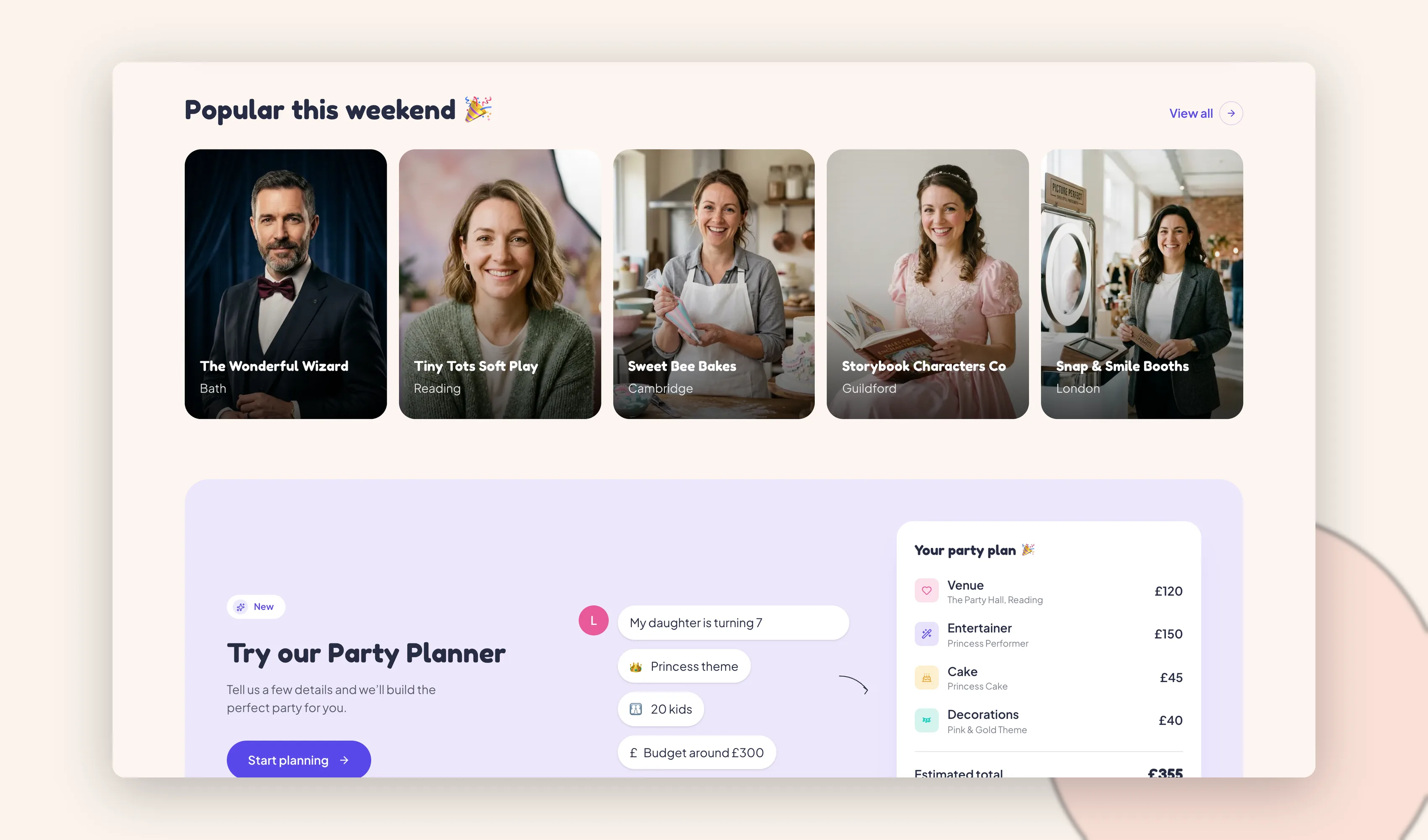
Rental marketplace features
Detailed descriptions and images
Detailed specifications and high-quality images of rental items or properties help potential renters understand what they’re getting, increasing the probability of bookings.
Location
As with service-based marketplaces, location plays a key role in rental marketplaces. It helps customers find suitable rentals in their preferred locations and could also offer beneficial local information like nearby amenities or attractions.
Trust-building mechanisms
Reviews, verification and appropriately designed payment and dispute processes can reduce risk, but none guarantees either party against loss.
Real-time availability calendar
Availability updates can reduce double bookings, but concurrency controls and operational processes are also required.
Dynamic pricing
Dynamic pricing can adjust prices to demand or seasonality, but vendors need limits and testing because it can also reduce conversion or trust.
Automated booking confirmation
An automated booking confirmation feature is essential to offer immediate feedback to customers once a booking is made. This improves the customer experience by removing uncertainty.
Deposit management
Rental marketplaces often require deposits to guard against potential damages. A marketplace feature to handle this process, including the collection and return of deposits, can streamline operations and enhance user experience.
Insurance and liability coverage
Where insurance is available, show who is insured, what is covered, exclusions, excesses and claim handling; coverage does not guarantee that users avoid every loss.
Customised search filters
Enabling customers to narrow down search results using various filters such as price range, type of rental, amenities, location, and availability can significantly enhance user experience and facilitate their search for the perfect rental.
Frequently asked questions
What marketplace features do I need to launch?
Start with listings, discovery, checkout or booking, payments and payouts where used, notifications, admin controls and a workable support or dispute path. The exact minimum depends on the transaction, fulfilment, regulation and risk, so prove the journey end to end before launch. Add promotions, wishlists and advanced analytics once liquidity improves. For a B2C-focused checklist, see essential B2C marketplace features.
Do product, service and rental marketplaces need different features?
Yes - the shared core stays the same, but fulfilment differs. Product marketplaces lean on inventory and shipping, service marketplaces need scheduling and profiles, and rentals need availability calendars and often deposits or insurance. Match the extras to how the transaction is delivered.
Which features matter most for marketplace trust?
Reviews, secure payments, clear listings and a workable dispute path do the most for trust early on. Buyers need social proof and protected checkout; vendors need reliable payouts and fair moderation. Without those, acquisition spend rarely sticks.
Should I build every marketplace feature at once?
No. Ship the minimum that completes a transaction, then prioritise features that remove friction for your weakest side. Overbuilding before demand is proven slows learning and burns budget that should go into liquidity.
What features should I look for in a marketplace platform?
Look for the ones that let a transaction complete end to end: verified listings, working search and filters, secure payments with splits if you have vendors, messaging, and a dispute path buyers and vendors can trust. Everything else, from loyalty schemes to advanced analytics, is worth adding once you can see real transactions happening and know where they’re getting stuck.
What makes a good marketplace listing?
A listing that answers a buyer’s questions before they have to ask them: clear pricing, accurate availability, real photos and enough detail to compare it against alternatives. For product marketplaces that means specs and stock levels; for services it means what’s included and how to book; for rentals it means dates, deposits and condition. Vague listings cost you trust and conversions both.
How do I know what my marketplace actually needs versus what would be nice to have?
Start from the transaction, not the feature list. A feature is a need when it’s required to complete or manage the transaction safely and compliantly. Optimisation features can wait until evidence justifies them. If you’re not sure which is which for your marketplace, our free Marketplace Growth Review is a 30-minute call that sorts your list into both.
Conclusion
The selection of marketplace features can profoundly influence its success. No matter the type of marketplace you’re developing – product, service, or rental – the goal should be to align the platform’s features with the needs of your users and the specific requirements of your industry. The most effective marketplace features are those that provide a smooth, enjoyable experience for all users – customers, vendors, and administrators.
The path to building a successful marketplace begins with understanding and implementing the right features. Success is not merely about replicating what other successful platforms have done, but about comprehending the specific needs of your users and delivering a platform that not only meets but surpasses those needs.
Finally, remember that a marketplace necessitates continuous improvement, enhancement, and adaptation to evolving user needs and market conditions. Keep researching, learning, and enhancing your platform. That commitment to continuous improvement is one of the most important habits behind a successful marketplace platform.
Next step
Most marketplaces don’t need every feature on this list to launch. They need the handful that let a buyer and a seller complete one transaction they both trust, then the next few that get requested once real people are using the thing.
If you’re mapping out what your marketplace actually needs, our free Marketplace Growth Review is a 30-minute call where we go through your model, your buyers and your vendors, and help you judge which features earn their place first. We’ve built 50+ marketplaces over 15+ years, across products, services and rentals, so we can bring that experience to your problem.
Want the written version instead? The Marketplace Growth Plan maps your full feature set, priced and sequenced, so you know exactly what to build and in what order.
Build the marketplace
Start with the workflows that make the model work.
We’ll map buyers, sellers, payments and operations before the build, backed by experience from more than 50 marketplace projects.


