Essential B2C Marketplace Features
If you’re anything like us, visiting business to consumer (B2C) marketplace websites is nothing short of a daily occurrence. Looking for a vintage office chair from which to work from home? Check out Etsy. Nostalgic for that Care Bear teddy you couldn’t sleep without as a kid? eBay’s the answer.
If you’re anything like us, visiting business to consumer (B2C) marketplace websites is nothing short of a daily occurrence. Looking for a vintage office chair from which to work from home? Check out Etsy. Nostalgic for that Care Bear teddy you couldn’t sleep without as a kid? eBay’s the answer. Just remembered it’s your mum’s birthday tomorrow? Thank you very much, Amazon Prime next day delivery.
And we’re not alone with our increasing reliance on B2C marketplaces.
- Amazon gets almost five billion visits each month (1)
- Over 60% of all online business takes place on marketplace platforms (2)
- The UK is one of the largest eCommerce markets in the world, worth about £170 billion (3)
- The world’s top online marketplaces sold $2.03 trillion in 2019 (4)
Thanks to multi-vendor marketplaces like Amazon, eBay, OnBuy, Airbnb, Alibaba, Etsy, and Not On The High Street, it’s never been quicker, easier, or cheaper to buy stuff online. And, for businesses, it’s never been easier for them to reach a wider audience.
Contents
- Types of multi-vendor marketplaces
- The most important marketplace features
- User log in page
- Easy to search
- Product listings
- Product reviews
- Shopping basket
- Checkout page
- For sellers
- Registration page
- Seller dashboard
- Inventory management
- Customer management
- Next step

Types of multi-vendor marketplaces
When it comes to selling via the web there are two main marketplace business models – business to business (B2B) and business to consumer (B2C).
- B2B businesses sell products or services to other businesses
- B2C businesses sell products directly to individual customers
Some marketplaces are both B2B and B2C, and both options can be multi-vendor marketplaces, which simply means they sell products from a variety of companies and receive a small commission from each company when their products sell.
Although marketplaces can help you generate more sales and grow your business online, for every eBay there’s an e-bomb. It’s estimated that 70% of marketplace startups sink without trace. (5)
So let’s take a look at the platform features that can help your B2C marketplace stand out from the crowd and keep customers coming back. After all, as startup expert Paul Graham once told Airbnb founder Brian Chesky,
To succeed as a marketplace entrepreneur, your best strategy is to build a platform that users love. From the very first day on.
Paul Graham (6)
The most important B2C marketplace features for buyers
For your potential customers, it’s all about creating an easy-to-use, straightforward user experience geared towards their needs.
User login page
30% of users give up before completing the registration process on websites. (9) To avoid this, make registering on your marketplace as quick and easy as possible by offering multiple sign-up options. Social logins are a great, hassle-free solution as the social network provider confirms the user’s identity giving them access to your site without having to complete a laborious form.
Easy to search
If you can’t find what you’re looking for on a website, what’s your next move? That’s right – you go to another website. That’s why your marketplace needs a fast and convenient search function that helps consumers find what they need in seconds. The search function should be:
- Clearly visible on every page (usually at the top of the screen)
- Fast-working
- Have predictive text input technology
The only place the search function shouldn’t appear is on the checkout page where it might be distracting to consumers.
Product listings
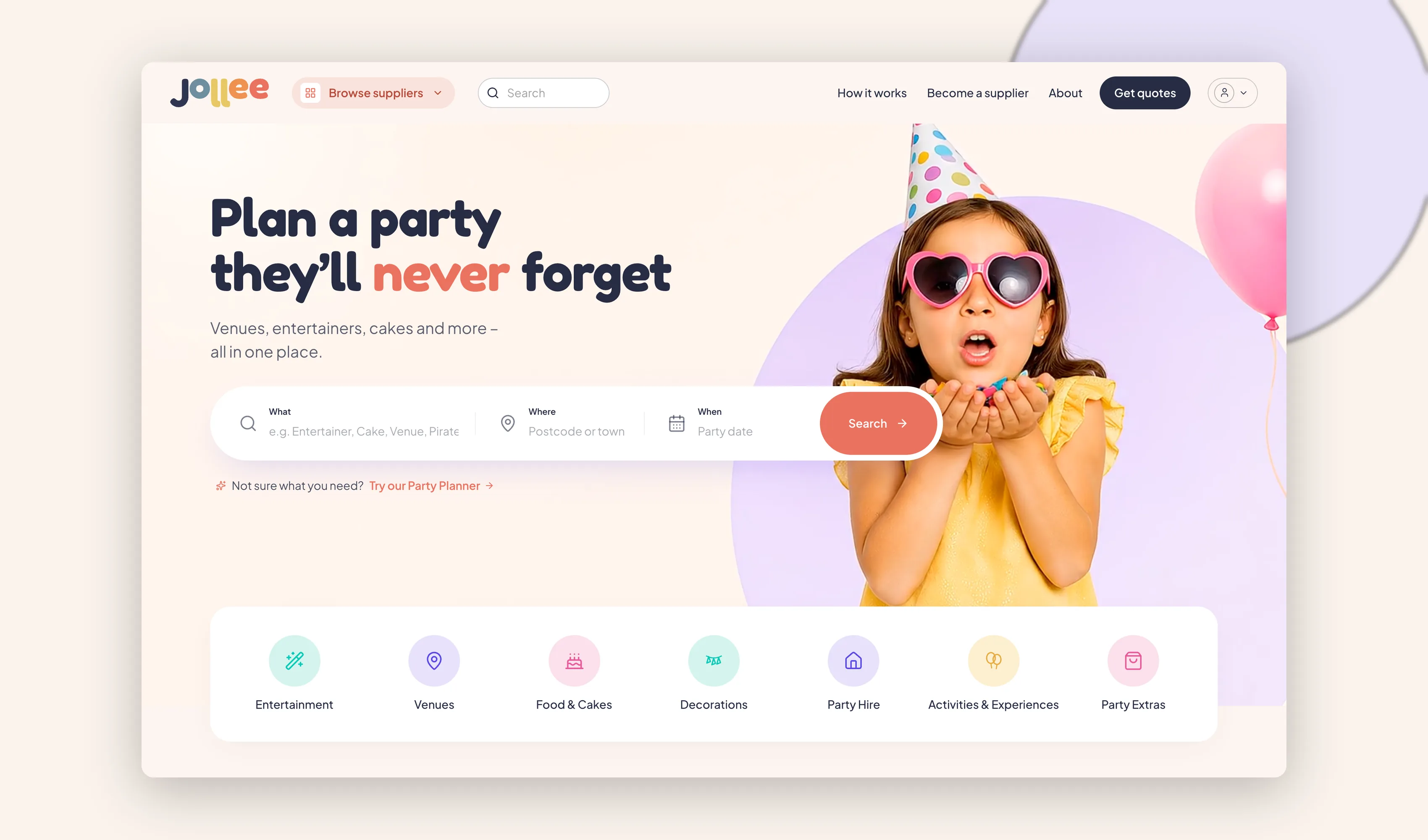
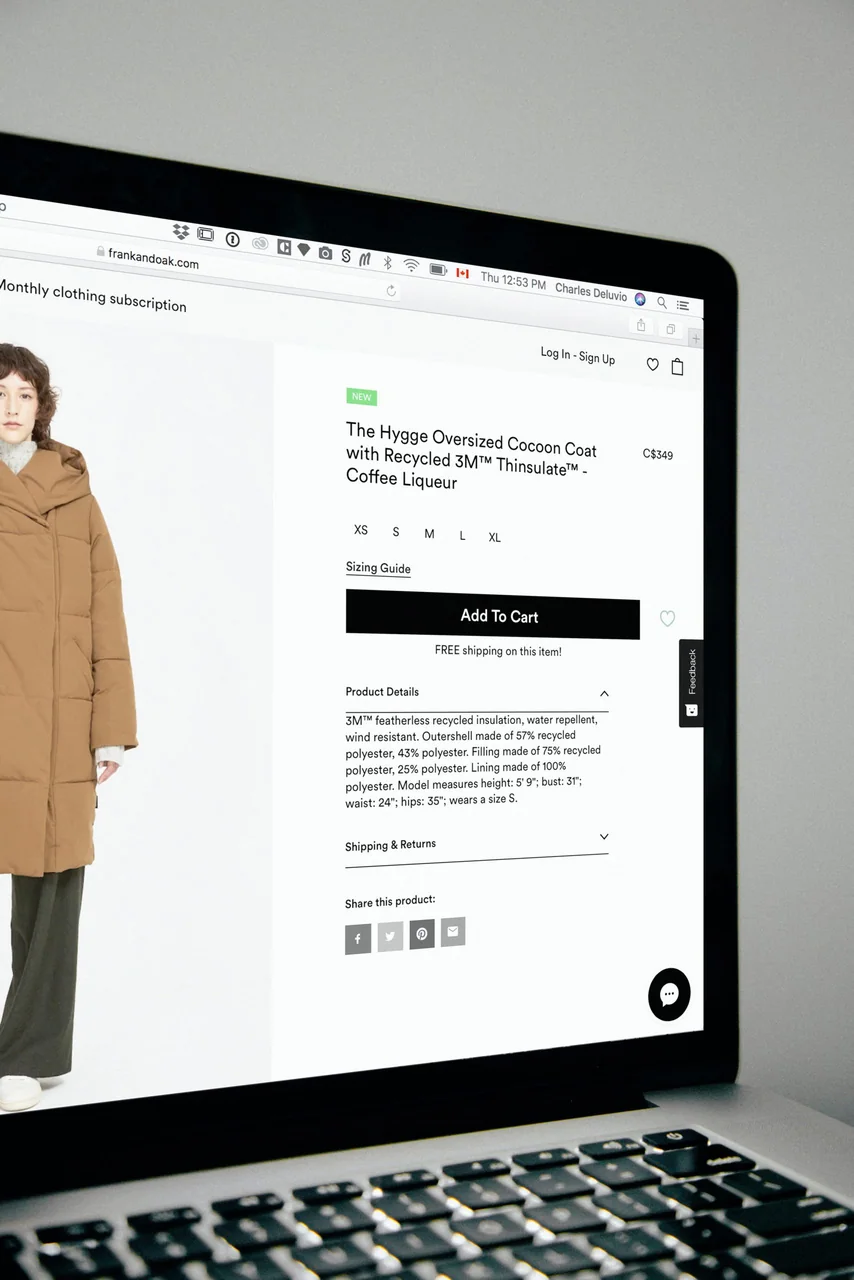
By their very nature, marketplaces have lots of products. So it’s vital you help users navigate the site with logical categories and products with accurate listings. In the absence of being able to physically touch and see the product, try and replicate that experience online with detailed information about the product and multiple images showing the product from different angles that help indicate the size and quality. Consumers also like to see social proof, which neatly leads us on to…
Product reviews
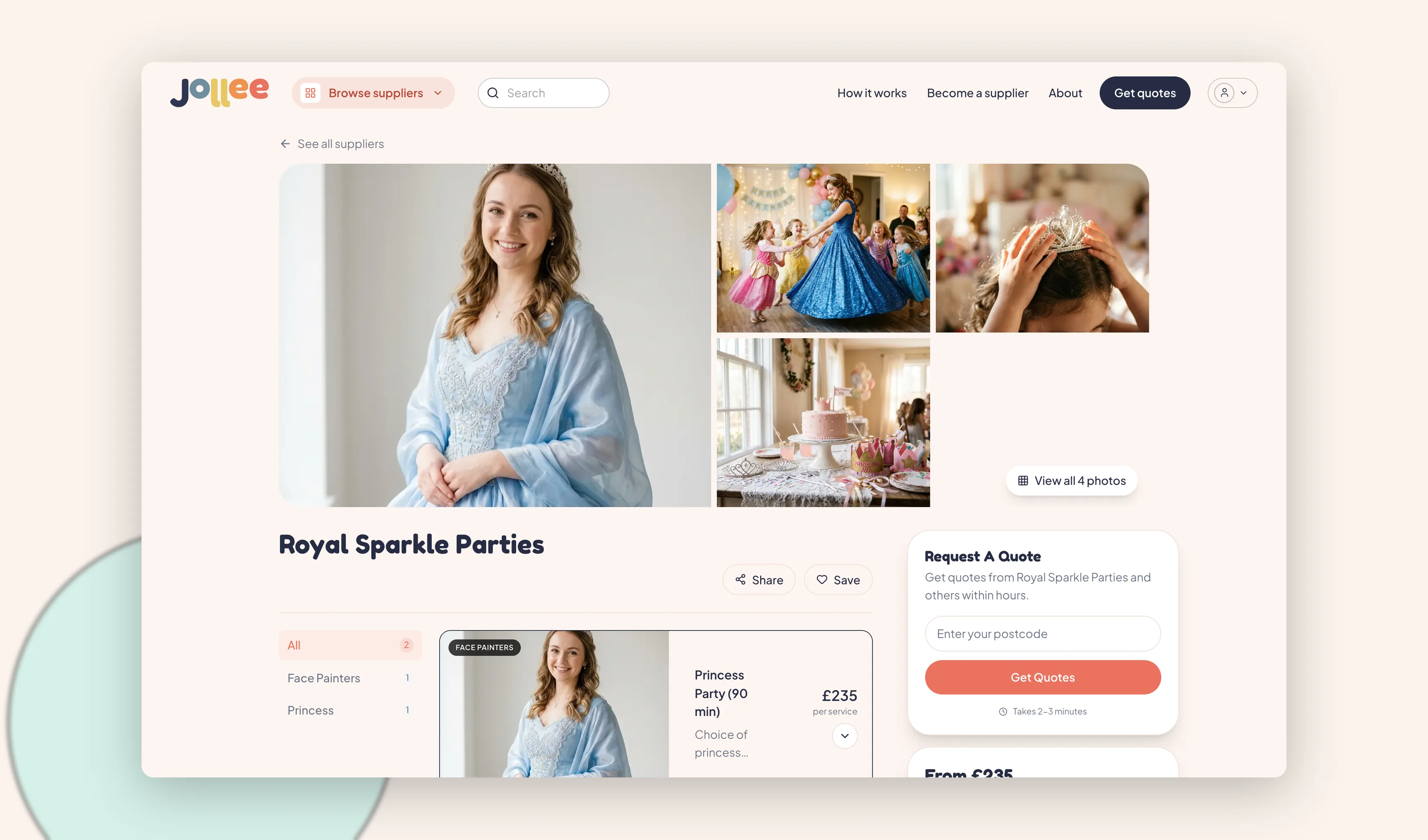
Before making a purchase 92% of online consumers look at product reviews. (7) Including reviews (and product ratings) on your marketplace helps build trust and positively impacts consumer behaviour. Having the functionality to leave product reviews on your marketplace also helps promote a community feel where like-minded consumers can help steer decision-making.
"It's safe to say Code23 rescued an interiors-obsessed creative - with zero tech savvy - but with a big e-commerce vision! ... They were a pleasure to work with, always at the end of the phone and took my lack of technical knowledge in their stride, guiding me through processes as necessary."
Shopping basket
Did you know that 76% of online shoppers abandon their shopping baskets without checking out? (8) Fortunately, there are many things you can do to increase the likelihood of your consumers completing their purchases. This includes:
- Establish trust by displaying widely-recognised security logos (such as Verified by Visa and Norton Secured) in a prominent position
- Guide consumers through the process by including a progress indicator so they understand how long it takes to check out
- Keep users focussed on why they came to your site by including thumbnail images of their selected products on your checkout page
Checkout page
In an age of contactless payment, users just aren’t going to hang around on a marketplace website that makes it hard to pay. So do your research and investigate your users’ most popular payment methods. Being flexible with your payment gateways with multiple options, such as Stripe Connect, GoCardless, and Worldpay, make checking out straightforward and painless. As a result, the user is more likely to make a return visit…and make another purchase.

The most important marketplace features for sellers
Of course, your marketplace won’t just be designed for the end-users but for the retailers looking to potentially use it as an eCommerce channel. With that in mind, here are a few things to consider.
Registration page
Quick and easy are the magic words here. Sellers are strapped for time and have more choice than ever when it comes to selling online, so if you make signing up to your marketplace platform straightforward, vendors are more likely to sell their products with you.
Seller dashboard
If vendors have to click through numerous pages to find out what products they’ve sold, reviews they’ve received, and what the customer shipping details are, they won’t use that marketplace for long. Providing an at-a-glance dashboard on your marketplace platform provides easy access to everything vendors need to know in one handy place.
Inventory management
When you’re juggling dozens, if not hundreds or thousands, of products, keeping track of your current stock levels is vital. That’s where inventory management software (IMS) comes into its own giving you the tools to check stock levels and manage sales. Some have extra features designed to make your life easier such as automatically raising purchase orders or reordering stock from suppliers.
Customer management
Keeping track of your customers by collecting data can improve relationships, improve retention, and improve the results from each interaction they have with your marketplace. Customer relationship management (CRM) software can help with all of the above and help you boost sales and customer services levels. Why is it important to track your customers? Returning customers convert about 82.5% more than new visitors and provide more than 60% of the revenues for the top 25% of eCommerce companies. (10) So it certainly pays to be aware of who your customers are and what they like.
Frequently asked questions
What is a B2C marketplace?
A B2C (business to consumer) marketplace is a platform where multiple sellers list products or services for individual shoppers to buy directly, rather than one business selling its own stock. Etsy, eBay and Not On The High Street are B2C marketplaces. The marketplace usually takes a commission on every sale, which is what funds the platform, the search, and the trust features buyers expect.
What features does a B2C marketplace platform need?
At minimum: fast, predictive search, accurate product listings with multiple images, genuine reviews, a straightforward basket and a checkout with the payment methods your shoppers already use. On the seller side, quick registration, an at-a-glance dashboard, inventory management and customer data all matter just as much. Miss any of these and shoppers, or sellers, go elsewhere.
What’s the difference between a B2C and a B2B marketplace?
A B2C marketplace sells to individual consumers, usually with instant checkout, one-off purchases and consumer-grade trust signals like reviews and ratings. A B2B marketplace sells to other businesses, and often needs quotes, credit terms, approval chains and bulk pricing instead of a simple add-to-basket flow. Some marketplaces run both models side by side, but the buyer journeys rarely look the same.
How much does it cost to build a B2C marketplace?
It depends on the features, the number of sellers, and how much of the buying and selling journey needs custom logic rather than an off-the-shelf platform. We agree a fixed price up front rather than billing by the hour, so you know the number before work starts. Our free Marketplace Growth Review is the quickest way to get a straight answer for your idea.
References
(1) https://www.similarweb.com/
(2) https://www.cobbleweb.co.uk/
(3) https://blog.linnworks.com/complete-list-of-online-marketplaces
(4) https://www.digitalcommerce360.com/article/infographic-top-online-marketplaces/
(5) https://medium.com/@davidbaeza/
(6) https://www.inc.com/salvador-rodriguez
(7) https://bizrateinsights.com/
(8) https://www.cobbleweb.co.uk/
(9) https://sites.google.com/
(10) https://www.businessinsider.com
Next step
This list covers the basics: what buyers expect and what sellers need to keep trading with you. Getting it right isn’t optional, and it’s not the whole job either. The marketplaces that do well go further: faster search, listings buyers actually trust, and a seller dashboard that saves people time instead of costing it.
If you’re weighing up what your own marketplace needs next, our free Marketplace Growth Review is a 30-minute call that tells you what’s working, what’s losing you sales, and what to fix first. Want it in writing? The Marketplace Growth Plan reviews your buyer and seller journeys properly for a fixed £1,500 + VAT, credited against the build if you go ahead.
We’ve built 50+ marketplaces over 15+ years, so we know which features earn their place and which ones just add cost.
Build the marketplace
Start with the workflows that make the model work.
We’ll map buyers, sellers, payments and operations before the build, backed by experience from more than 50 marketplace projects.


