What is Digital Lead Generation?
Digital lead generation explained: PPC, SEO, social ads, retargeting, lead magnets, email and PR, and which channel to start with first.
Digital lead generation is the process of attracting people to your website and turning them into contacts you can follow up with, whether that’s a form fill, a phone call or a downloaded guide. Code23 builds websites and campaigns around this goal every day: getting the right visitor to your site, then giving them an easy, obvious way to get in touch.
Not every lead is ready to buy today. A warm lead already wants what you sell and is close to a decision. A cold lead is still researching, and needs nurturing before they’re ready to talk business. Most digital lead generation is really a mix of both: converting the buyers who are ready now, and building a relationship with everyone else so you’re the first call when they are.
The channels below are the ones we build into client websites most often: paid ads, SEO, retargeting, lead magnets, email and PR. Here’s how each one works, and where to start.
Pay-per-click advertising
If you’ve got budget, running ads on Google or one of the social platforms gets results fast, and it’s worth knowing which one suits your business before you spend anything.
Google Ads makes sense when people already search for what you sell. If you can list the phrases someone would type to find a business like yours, PPC puts you in front of them straight away. Broad terms such as “web design” are expensive and competitive; something closer to “web development agency in Reading, Berkshire” costs less and reaches people further along in deciding.
Get the keywords right and PPC pays for itself in the quality of the traffic it sends, not just the volume. We’ve been running Google Ads for clients for over 10 years, so we know which searches are worth paying for and which ones just burn budget.
Social media advertising
Social ads work well when you know exactly who you’re targeting, even if you don’t know what they’d search for. If you can describe your ideal customer, from job title to industry to the groups they belong to, paid social puts your business in front of them directly.
For example, you might want to target marketing directors or business owners in London who belong to the Institute of Directors.
LinkedIn costs more per click than Facebook or Instagram, and it earns that cost back when you’re targeting people by job title, industry or professional interests. Facebook and Instagram cost less and still work for B2B: business owners and decision-makers are people too, scrolling their own feed like anyone else.
SEO and organic search
Organic search is the lowest-cost way to attract visitors once your site is ranking, though it takes months rather than days to show results. You’re paying for the content and the work of ranking, not for every click.
It’s worth treating SEO as a long-term strategy while running ad campaigns to build traffic and brand awareness faster in the meantime. Most of the client websites we build combine the two rather than picking one. Read our full guide to what SEO is for the detail, or SEO vs PPC if you’re deciding which to fund first.
Retargeting and remarketing
Most visitors won’t convert on their first visit, and that’s normal. If someone’s clicked through to your site, there’s a good chance they’re interested, they just weren’t ready to act yet.
A tracking pixel from Google, Facebook or LinkedIn lets you show that visitor another advert once they’ve left your site, ideally with an offer that gives them a reason to come back. It’s one of the cheapest ways to bring a warm visitor back to convert.
Lead magnets
A free download, sometimes called a gated asset, is one of the most effective offers you can make. A useful guide or checklist in exchange for an email address does two jobs at once: it gets you contact details, and it filters for people who are actually interested in what you do.
The more relevant the lead magnet is to your business, the better the leads it brings in. A generic ebook attracts anyone; a specific, useful one attracts your actual buyers.
Email marketing
Once someone’s on your list but isn’t ready to buy, email is how you stay in front of them until they are. Send useful information, usually related to whatever they signed up for, rather than a stream of sales messages.
Keep advertising to them on social media too if you want, but email is the channel you own outright. Nobody else’s algorithm decides whether your message gets seen. Our guide to email and SMS marketing covers how to keep that list engaged without becoming annoying.
PR and brand awareness
PR gets your business in front of people who’ve never heard of you, through press coverage, events, sponsorship or other people’s platforms. On its own it rarely generates a lead directly, but it builds the awareness that makes every other channel work harder.
Someone who’s seen your name in the press is more likely to click your ad, recognise your name in search results, or follow you on social media. PR works best alongside the other channels here, not instead of them.
Which channel should you start with?
There’s no single right answer. It depends on how ready your market is to buy and how much budget you’ve got to spend.
If people are already searching for what you offer, start with PPC or SEO. If they don’t know they need you yet, paid social and PR do the early work of building awareness, with retargeting, lead magnets and email nurturing them until they’re ready to talk.
Most of the websites we build combine several of these channels from day one, because the site itself is what turns any of that traffic into an actual lead. A well-designed site with a clear, obvious way to get in touch does more for your lead generation than any single channel above.
How Code23 builds lead generation into a website
A website is where every one of these channels ends up. If it’s slow, confusing or doesn’t make the next step obvious, you’re paying for traffic that never converts.
When we design a site, we build the enquiry path in from the start: clear calls to action, forms that don’t ask for more than they need, and content structured so search engines and buyers can both find their way to it. Redwire, a professional services client, came to us with a site that undersold its expertise. We rebuilt it around the decisions visitors actually needed to make, and lead generation increased as a result.
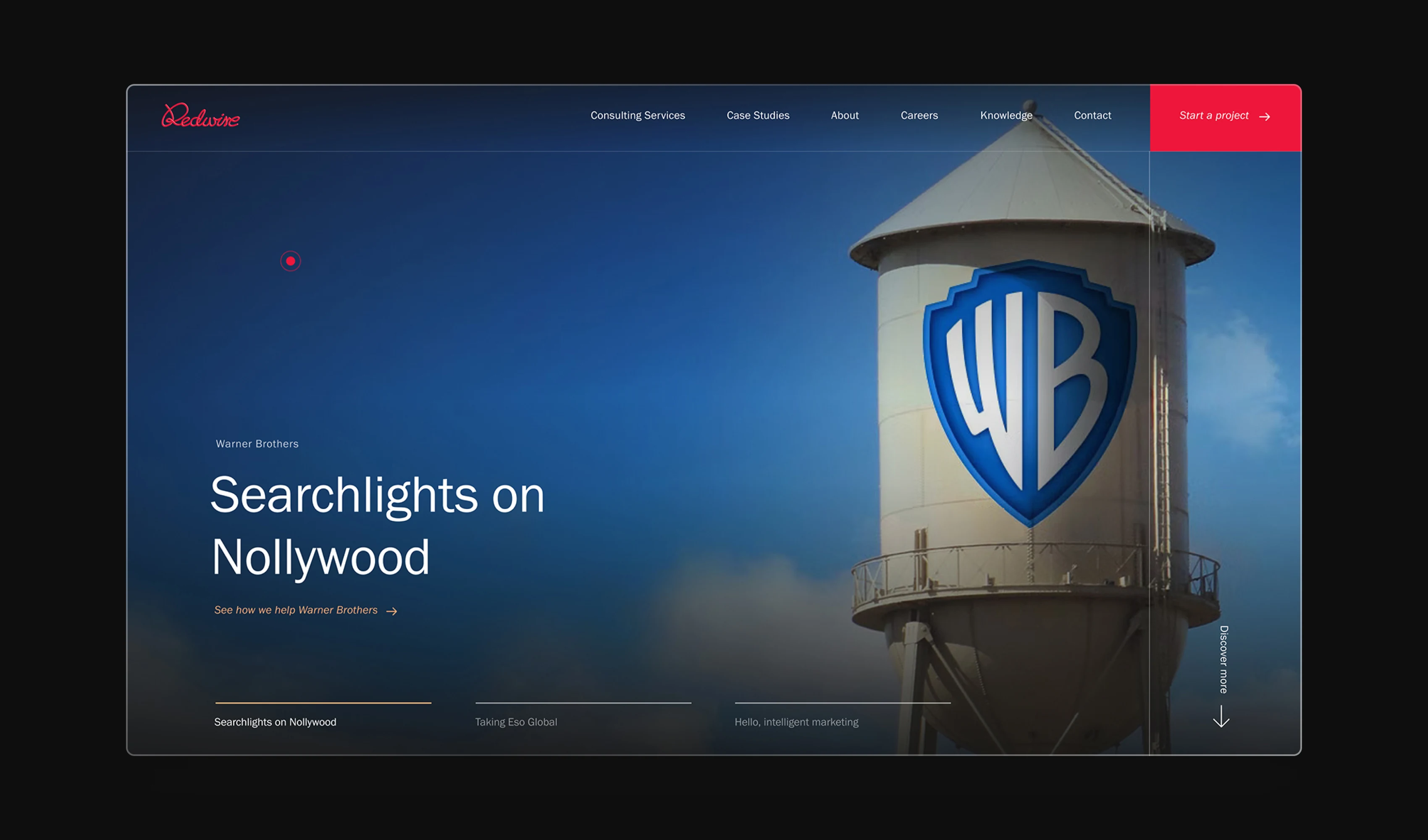
"Code 23 took the time to understand our companies needs and designed our website accordingly... The design was bold and engaging and with help from Code 23 we have been able to keep it updated and fresh."
Frequently asked questions
What counts as a digital lead?
A digital lead is anyone who’s given you a way to follow up, usually an email address, a phone number or a form submission through your website. It doesn’t mean they’re ready to buy. A lead who downloaded a guide is clearly interested but still cold; a lead who’s booked a call is warm. Most businesses need a steady supply of both to keep a pipeline moving.
How is digital lead generation different from traditional lead generation?
The channels are different, but the goal is the same: get a genuine prospect’s contact details so you can follow up. Digital lead generation happens through your website, ads, search and email rather than cold calling or print advertising, which usually means you can measure exactly what’s working and change course faster.
Which digital marketing channel generates the best leads?
It depends on how ready your buyers are. PPC and SEO work well when people are already searching for what you do. Paid social, PR and content work better when they don’t yet know they need you. Most businesses we work with combine several channels rather than relying on one, because each reaches people at a different stage.
How long does digital lead generation take to work?
PPC and paid social can bring leads within days of launch, because you’re paying for visibility. SEO usually takes several months to build up organic traffic, but the leads it generates keep coming without ongoing ad spend. Most websites we build use both: ads for speed now, SEO for a channel you don’t have to keep paying for.
Next step
If your website is bringing in traffic but not leads, the channel probably isn’t the problem. It’s usually the site: unclear next steps, forms that ask for too much, or content that doesn’t answer what a buyer actually wants to know.
We’ve built 350+ projects since 2005 and run Google Ads for clients for over 10 years, so we’ve seen which combination of channels and website changes actually moves the needle for a business like yours.
Whether you need a new website built around lead generation from the ground up, or help getting more out of the site you’ve already got, we can help you work out where to start.
Plan the next release
Build the next version around the result it needs to produce.
We’ll define the scope, design the journeys and build the systems behind them with one senior UK team.


