Email & SMS marketing: How to keep customers engaged
How to use email and SMS together to keep customers engaged without annoying them: segmentation, automation, timing and staying compliant.
How do you keep customers engaged with email and SMS marketing? You treat them as two different jobs, not two versions of the same message. Email carries the story, the offer and the detail, sent to people who've said yes to hearing from you. SMS carries the messages whose value depends on timing: the cart that's about to expire, the appointment tomorrow, the sale that ends tonight. Neither works well as a one-off blast. The engagement comes from segmentation, from automated flows triggered by what a customer actually does, and from consent handled properly under UK marketing law, not treated as small print. We build this kind of automation into the platforms we work on, so it's tied to real order and customer data rather than bolted on with a plugin that never quite talks to your CRM.
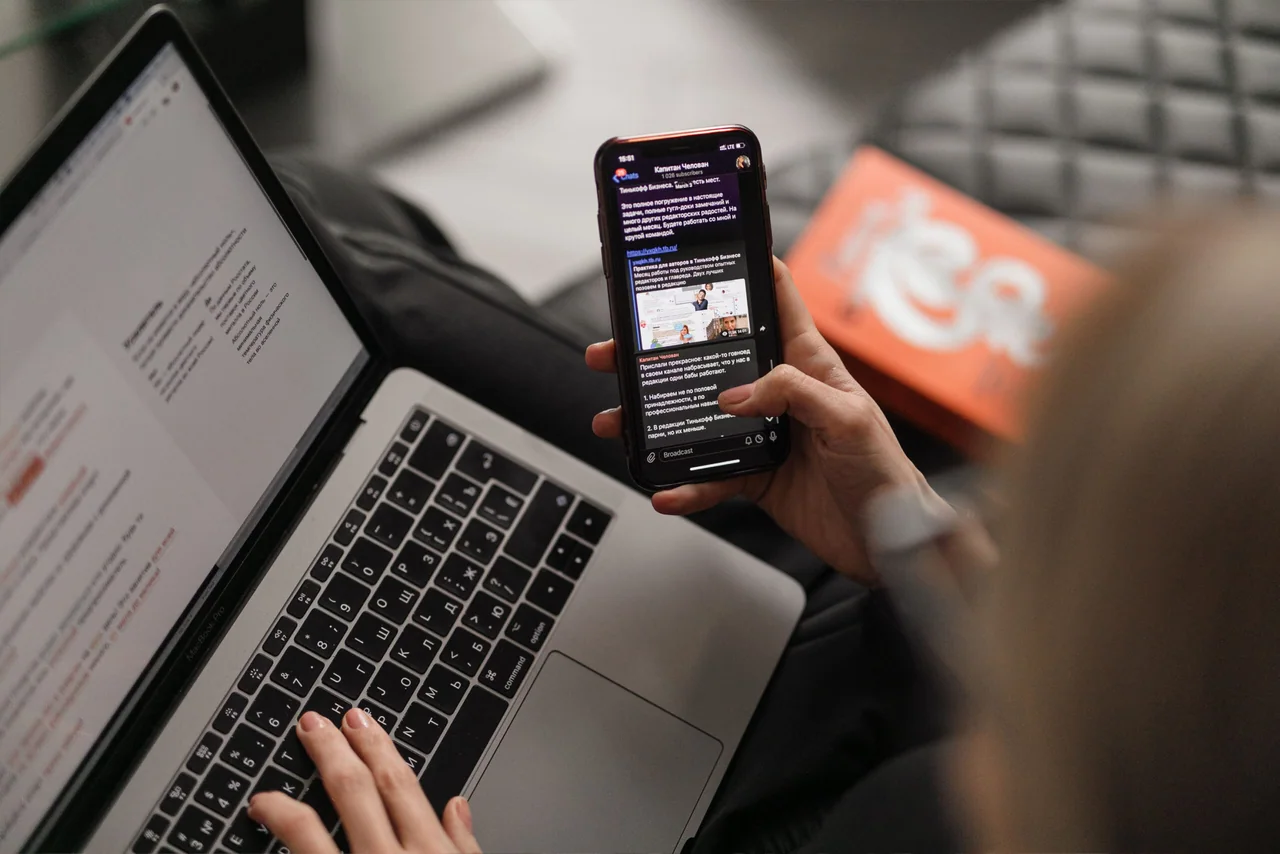
What is email marketing?
Email marketing is a powerful digital marketing strategy that involves sending emails to prospects and customers. It’s an effective way to connect with your audience, build strong relationships, promote your brand, and increase sales. Email marketing encompasses various types of communications sent via email. These can include:
- Promotional Emails: These emails primarily contain sales messages and calls to action. They might announce new products, promote sales, or offer special discounts to subscribers.
- Transactional Emails: Transactional emails are automated messages sent in response to a customer action, such as making a purchase, creating an account, or resetting a password. These emails often receive strong engagement because recipients expect them, although email-open data is imperfect.
- Informational Emails: Also known as newsletters, informational emails regularly update subscribers on the latest news, blog posts, and other content related to your business or industry.
- Lead Nurturing Emails: These are targeted emails sent as part of a ‘drip campaign’ designed to move prospects through your sales funnel. They’re usually automated and triggered by specific customer actions or behaviours.
The primary goal of email marketing is to cultivate a strong relationship with your audience. It’s about more than just selling products; it’s about building trust, providing value, and creating an ongoing dialogue with your customers.
"I'm incredibly impressed with Code23 - they have been a pleasure to work with which has been a breath of fresh air! They are professional and are always quick to respond. Thank you Code23! Highly recommended!"
What is SMS marketing?
Short Message Service (SMS) marketing is a strategy that uses text messages to communicate promotional content directly to customers. Given the nature of mobile phone usage today, SMS can reach supported mobile devices directly and is often delivered quickly, but delivery can be delayed or fail and requires suitable network service.
SMS marketing messages typically contain brief, concise information or offers. They might alert customers to a sale, remind them of an appointment, or provide a code for a special discount. The messages are usually time-sensitive and action-oriented, designed to prompt immediate engagement.
Benefits of SMS Marketing
SMS marketing offers several key benefits, making it an attractive addition to your digital marketing toolbox:
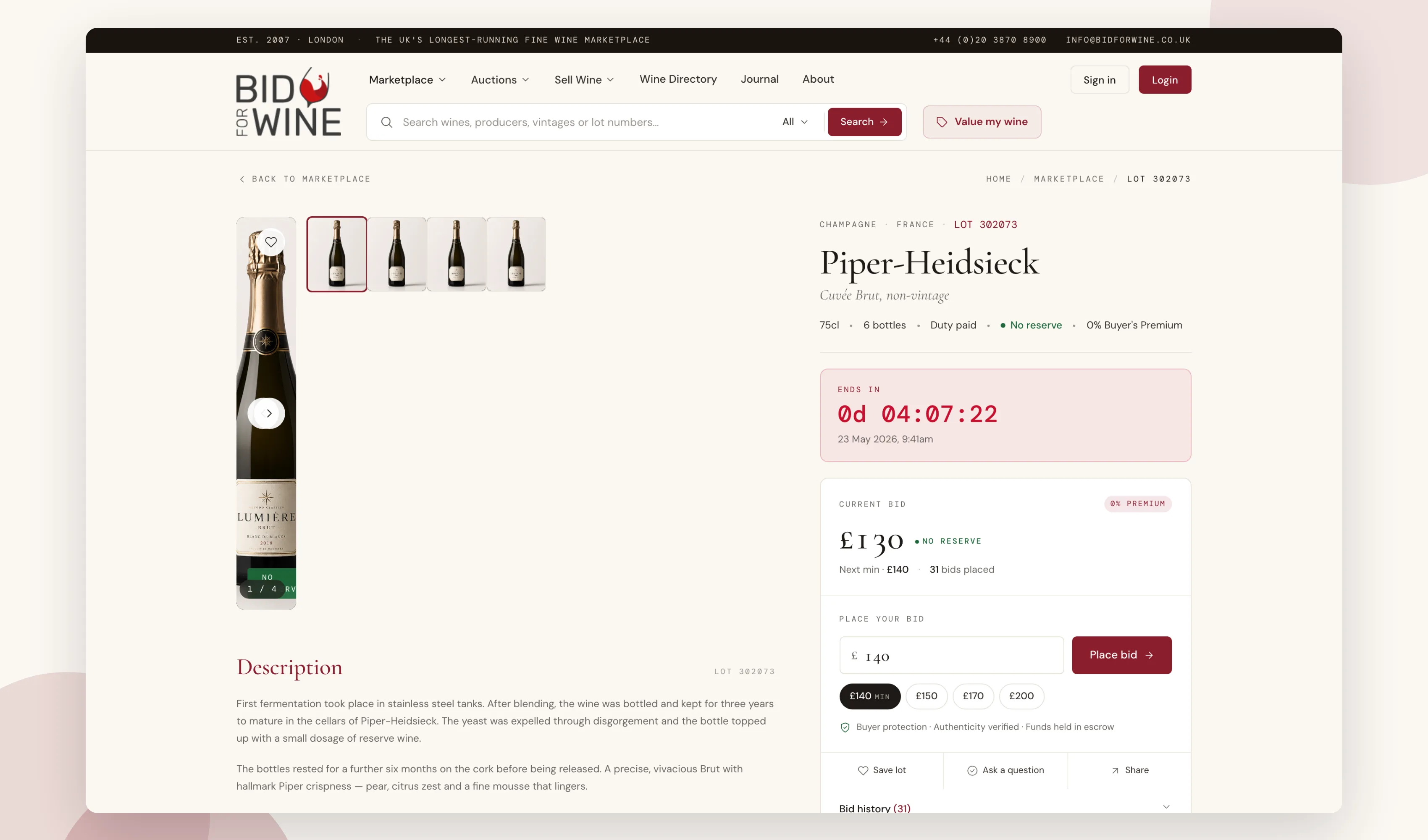
- Fast to Reach: SMS messages are often read soon after delivery, which makes them useful for time-sensitive messages such as delivery updates, reminders and bidding alerts, although SMS platforms typically report delivery status rather than a true open rate.
- Fast Delivery: SMS can reach supported mobile devices directly and is often delivered quickly, but delivery can be delayed or fail and depends on suitable network service, so it can suit time-sensitive promotions or last-minute reminders.
- Direct Communication: Unlike email, which often requires an internet connection to access, SMS messages can reach a supported mobile device directly, although coverage, device compatibility and delivery delays still apply.
- Personalised Engagement: With the right data and a smart strategy, you can use SMS marketing to send highly personalised messages that resonate with your customers on an individual level.
- Response Rates: SMS response rates may perform differently from email depending on the audience and campaign, so measure actual responses for your business rather than assuming a universal uplift.
SMS and email automation
SMS and email automation is a strategy that uses technology to send targeted communications to your subscribers automatically, based on predetermined triggers or actions. Instead of manually sending out individual SMSs and emails, automated messages are dispatched when a user meets certain criteria or completes specific actions.
Common examples of email automation include welcome emails when someone signs up for your newsletter, confirmation emails after a purchase, and reminder emails about abandoned shopping carts. But automation isn’t confined to these scenarios; there are many more advanced uses that can be tailored to your specific business needs.
The benefits of SMS and email automation
Automation comes with numerous benefits, making it a useful part of many email marketing strategies. Here are some of the key advantages:
- Timeliness: Automated messages are triggered when predefined conditions are met, subject to provider and delivery delays, improving the chances of your message being seen and acted upon.
- Personalisation: Automation allows for high levels of personalisation, which can increase engagement rates. Personalised emails can include the recipient’s name, reference past purchases, or contain other details specific to the individual.
- Efficiency: Automation can save a lot of time, freeing up resources to focus on other aspects of your marketing strategy.
- Consistency: Automated emails and SMSs ensure consistency in your messaging, which can strengthen your brand image and build trust with your audience.
- Measurement and Analysis: Email automation tools and SMS marketing software often come with built-in analytics that allow you to track and measure the performance of your emails, giving you valuable insights for future strategy refinement.
Creating an automation strategy
To start with automation, you need a clear strategy that defines your goals, identifies your audience, and determines the types of automated emails you’ll send. Your goals might include increasing conversions, reducing cart abandonment, or boosting customer retention. Once you have clear objectives, you can design your automated emails to align with these goals.
Identifying your audience and segmenting your contact list is also crucial. Not every email will be relevant to all your subscribers. By segmenting your list based on factors like past purchases, browsing behaviour, or demographic information, you can ensure your automated messages are tailored to the recipient, increasing their effectiveness.
Finally, decide on the types of automated communications you’ll send. This will largely depend on your business and goals, but common types of automated emails include welcome emails, cart abandonment emails, re-engagement emails, and post-purchase follow-up emails.
Popular SMS and email automation tools
- Mailchimp: One of the most widely-used email marketing platforms, Mailchimp offers a suite of automation features. These include welcome emails, abandoned cart reminders, and personalised product recommendations. The platform also provides comprehensive analytics tools, allowing you to measure and optimise the performance of your email campaigns.
- Brevo (SendinBlue): Brevo (SendinBlue) offers both email and SMS marketing automation capabilities. It’s known for its intuitive drag-and-drop design interface, advanced segmentation options, and transactional email features. It also includes real-time reporting tools to help you track the success of your campaigns.
- ActiveCampaign: ActiveCampaign is a robust email marketing tool that also offers SMS marketing features. It excels in automation with options for autoresponders, split testing, and dynamic content. Its CRM integration makes it especially useful for businesses looking to align their marketing and sales efforts.
- HubSpot: HubSpot is a comprehensive marketing platform that includes email automation and SMS marketing; native Marketing SMS currently needs HubSpot's SMS add-on and is limited to supported North American numbers, so UK senders typically need a separate supported SMS integration. Its automation features are particularly powerful, enabling you to create sophisticated, multi-step workflows. HubSpot also integrates with a range of other tools, making it a good choice for businesses looking for an all-in-one solution.
- Constant Contact: Constant Contact is an easy-to-use email marketing tool that’s great for beginners. It offers a range of email automation features, including welcome emails, anniversary or birthday emails, and personalised product recommendation emails.
- Omnisend: Omnisend is an ecommerce-focused platform that offers email and SMS marketing automation. It offers pre-built automation workflows, making it easy for businesses to set up automated email or SMS campaigns. Features include cart abandonment messages, post-purchase follow-ups, and customer reactivation messages.
- Klaviyo: Klaviyo is a marketing automation platform built specifically for ecommerce businesses. It offers both email and SMS marketing tools and is known for its deep segmentation capabilities, allowing you to target your audience with a high degree of precision.
- Twilio: While primarily a cloud communications platform, Twilio offers powerful SMS marketing automation capabilities. You can set up automated SMS campaigns, send transactional messages, and integrate with your existing CRM or database.
- Drip: Drip offers email automation; its native SMS service is currently limited to US sending, so UK businesses need a supported integration or a different provider for SMS. It provides pre-built workflows, personalised product recommendations, and advanced segmentation capabilities. Its visual workflow builder makes setting up complex automations relatively straightforward.
- Moosend: Moosend is an affordable email marketing automation tool that’s easy to use. It provides a range of automation features, including welcome sequences, abandoned cart emails, and re-engagement campaigns. While it doesn’t offer SMS marketing, its email capabilities are robust.
Remember, the best tool for your business will depend on your specific needs, budget, and the complexity of the automations you wish to set up. Consider taking advantage of free trials or demo versions to test out different platforms and see which one works best for you.
The power of personalisation
Regardless of whether you’re using email or SMS marketing, personalisation is key to engaging your customers. When a message feels like it’s been specifically tailored for the recipient, they’re more likely to engage with it.
With email marketing, personalisation can take many forms. It might involve addressing the customer by their first name, recommending products based on their browsing history, or sending them special offers on their birthdays.
These small touches can make a big difference in how your customers perceive and interact with your brand.
In SMS marketing, personalisation is equally crucial. Given the intimate nature of text messages, it’s essential to make your customers feel like they’re not just receiving a generic mass text. Consider segmenting your audience and crafting messages that resonate with specific groups. Tailored messages that reflect the recipient’s interests or previous interactions with your brand can significantly increase engagement.
Mastering timing and frequency
Finding the right balance in the timing and frequency of your messages is another key aspect of successful email and SMS marketing. Send too many messages, and you risk annoying your customers and leading them to unsubscribe. On the other hand, if you don’t communicate frequently enough, your customers might forget about your brand.
With email, you generally have a bit more leeway. Customers expect promotional emails and newsletters, but there’s no universally safe frequency: set your timing and frequency from consent expectations, time zones, engagement and unsubscribe data rather than a fixed rule of thumb.
SMS, however, requires a more delicate approach. Because text messages are so immediate, it’s essential to be mindful of when and how often you’re sending them. Avoid early morning or late-night texts, and be sparing with how often you reach out. The last thing you want is for your messages to feel like spam.
Making it interactive
Another strategy to boost engagement is to make your communications interactive. Interactive content is more engaging, memorable, and likely to drive action. In email, you can experiment with interactive elements like quizzes, polls, or clickable infographics.
For SMS, while you’re somewhat limited by the format, you can still encourage interactivity by prompting responses. For instance, you might ask your customers to reply with a certain keyword to receive a special offer or to share their feedback.
Staying compliant
Lastly, it’s crucial to ensure your email and SMS marketing efforts comply with all relevant regulations. In UK direct marketing, the Privacy and Electronic Communications Regulations (PECR) work alongside UK GDPR and the Data Protection Act 2018.
These regulations dictate what you can and cannot do when it comes to electronic marketing, and non-compliance can lead to hefty fines. Consent is normally required for electronic marketing to individual subscribers unless all soft opt-in conditions are met: the details were obtained during a sale or sale negotiation, the marketing concerns your own similar products or services, and you offered a clear opt-out at collection and in every message since. PECR's consent rule differs for corporate subscribers, though identification, opt-out and UK GDPR obligations still apply. See the ICO's guide to electronic mail marketing for the detail. We're not legal advisers, so check anything consent-related against the official guidance or your own adviser before you rely on it.
Conclusion
Email and SMS marketing offer powerful ways to engage with your customers, build strong relationships, and drive growth for your business. By focusing on personalisation, timing and frequency, providing value, tracking your results, making your content interactive, using automation, and staying compliant, you can maximise the potential of these tools and keep your customers actively engaged with your brand.
Remember, successful email and SMS marketing is about more than just selling. It’s about creating meaningful connections with your customers and making them feel valued and appreciated. When done right, these strategies can turn one-time buyers into loyal brand advocates and significantly boost your bottom line.
Frequently asked questions
Should this message be an email or a text?
Ask what the message needs, not which channel feels more exciting. Email suits anything with a story, images or detail: newsletters, offers, product updates. SMS suits anything truly time-sensitive: an abandoned cart, a delivery update, an appointment tomorrow, a sale ending tonight. If you’re reaching for SMS for a routine update, it probably belongs in email instead. Save the text for the moment timing actually matters.
Do I need consent to send marketing emails and texts in the UK?
Generally yes. In UK direct marketing, PECR works alongside UK GDPR and the Data Protection Act 2018, and consent is normally required for electronic marketing to individual subscribers unless all soft opt-in conditions are met: the details were obtained during a sale or sale negotiation, the marketing concerns your own similar products or services, and you offered an opt-out at collection and in every message since. PECR’s consent rule differs for corporate subscribers, though identification, opt-out and UK GDPR obligations still apply. See the ICO’s guide to electronic mail marketing. We’re not legal advisers, so check your own situation against the official guidance.
How do I track email and SMS engagement back to a customer’s record?
This is a data problem before it’s a tool problem. Track sends, delivery outcomes, clicks, replies and purchases back to the same customer profile, whichever platform sent it: SMS does not normally expose opens, and email opens are noisy, so this gives you one honest picture of engagement rather than a separate one per channel. That usually means your email and SMS tools sit on top of your CRM or platform data, not beside it in their own silo.
How often should I email or text my customers?
Email tolerates more frequency than SMS, generally. There’s no universally safe cadence for either channel: test frequency against audience expectations, opt-outs and engagement, and let unsubscribe and opt-out data guide you before your open-rate numbers do.
Sources
- https://ico.org.uk/for-organisations/direct-marketing-and-privacy-and-electronic-communications/guide-to-pecr/electronic-and-telephone-marketing/electronic-mail-marketing/
- https://knowledge.hubspot.com/sms/create-and-send-sms-messages
- https://help.drip.com/hc/en-us/articles/4424710433421-Getting-Started-with-SMS
- https://www.twilio.com/docs/messaging/guides/track-outbound-message-status
- https://mailchimp.com/help/apple-privacy-faq/
Next step
Email and SMS work best when they’re built into your platform from the start, not bolted on after launch. That means real segmentation, sends triggered by what a customer actually does, and consent handled properly under UK marketing law rather than treated as small print.
If you’re building or rebuilding a marketplace or online store, talk to us about wiring engagement in from the ground up. We’ve delivered 350+ projects since 2005, and messaging, notifications and automation are things we build into the platform itself, not features we bolt on with a plugin that never quite talks to your CRM.
Plan the next release
Build the next version around the result it needs to produce.
We’ll define the scope, design the journeys and build the systems behind them with one senior UK team.


