WordPress vs Payload CMS: An Agency That Runs Both
WordPress or Payload CMS? A UK agency with WordPress depth since 2005 and live Payload builds compares them honestly: costs, editing, speed, and when to migrate.
WordPress still wins when editors need a mature plugin ecosystem and familiar wp-admin; Payload CMS wins when you want typed content models, modern TypeScript workflows and a headless setup without fighting a theme. We run both in production - WordPress depth since 2005 behind us and live Payload builds on the modern stack - so this is not a loyalist tract or an evangelist pitch. Below is the honest matrix, when migration pays, and what build, hosting and care actually cost in UK terms.
Where each CMS actually wins
| Dimension | WordPress tends to win | Payload tends to win |
|---|---|---|
| Editor familiarity | Huge talent pool; training is cheap | Cleaner admin once modelled; steeper first week |
| Plugins / integrations | Unmatched marketplace | You compose with code and APIs |
| Content modelling | Flexible until it becomes spaghetti | First-class collections, fields, access control |
| Front-end freedom | Possible headless; classic themes still dominate | Headless-native with Next (and friends) |
| Performance default | Fine when lean; plugin weight hurts | Leaner by default if you keep discipline |
| Compliance / custom access | Plugins + care | Code-level access control is a first-class idea |
| Time-to-brochure | Often faster with a known theme pattern | Faster to app-like content products |
Neither “wins” in the abstract. The job does. Marketing sites with frequent non-technical editing and ordinary plugins remain a WordPress-shaped problem. Productised content platforms, multi-tenant editorial rules and design-system-driven front ends are where Payload (and similar headless CMS tools) earn their keep.
Cost context for greenfield sites: website development cost UK. Care on WordPress estates: WordPress maintenance cost.
What Payload is and why agencies are adopting it
What is Payload CMS?
Payload CMS is an open-source, TypeScript-first headless CMS you typically embed in a Node application - collections, auth, access control and an admin UI generated from your schema rather than from a theme marketplace.
Agencies adopt it when:
- Developers already live in Next/React/TypeScript
- Content models need to match product reality, not page-builder blocks
- Access rules (who can edit which tenant or collection) are part of the product
- They want Git-friendly schema instead of irreversible click-ops in production
Payload is not “WordPress but trendy”. It is a different contract: more engineering up front, less plugin roulette later. Local-first admin and code-defined config are the attractions; the trade-off is that you own more of the stack.
Is Payload CMS better than WordPress?
No universal winner - Payload is better when typed models and headless delivery are the product; WordPress is better when editorial velocity and the plugin ecosystem matter more than a custom schema. “Better” without a job description is fan fiction.
The migration question: when leaving WordPress pays and when it doesn’t
Why are people moving away from WordPress?
People leave WordPress when editorial needs outgrow the theme, when performance budgets collapse under plugin weight, when headless content modelling is cleaner elsewhere, or when security anxiety exceeds their team’s skill - same answer we give in our WordPress maintenance piece. Some of those moves are right. Some are fashion.
Should I move my website off WordPress?
Move when the CMS is the constraint on speed, modelling or security posture and you have budget for content migration and editor retraining; stay when WordPress is merely neglected - fix care and plugin debt first, because a migration will not cure an unowned estate.
Migration tends to pay when:
- You are rebuilding the front end anyway (redesign cost)
- Page-builder HTML is the performance problem
- You need app-like logged-in experiences beside publishing
- Multi-site or multi-brand content rules need real access control
Migration tends not to pay when:
- Editors are productive and the site is lean
- The only complaint is “WordPress feels old” with no metric behind it
- Nobody will own redirects, content mapping and training
- Budget only covers a theme swap dressed as a replatform
We have migrated estates with tooling and discipline; we have also told clients to stay on WordPress and buy proper maintenance. Running both stacks is what makes that advice cheap to trust.
What we’ve shipped on each
WordPress. A long history of marketing sites, catalogues and continuous growth platforms. Est 2005 as a studio means we watched classic themes become page builders and page builders become debt. We still ship WordPress when it is the rational hammer - and we maintain it on the same £495 / £1,850 / £3,450 Support & Growth tiers as everything else.
Payload. Live builds on the modern TypeScript stack, including migration paths off WordPress when the front end and content model justify it. The proof is production admin that editors actually use, not a conference demo. Agent-assisted delivery helps with schema scaffolding and migration scripts; humans still own information architecture and editor UX.
Loyalty to one CMS is a branding exercise. Capability across both is the service.
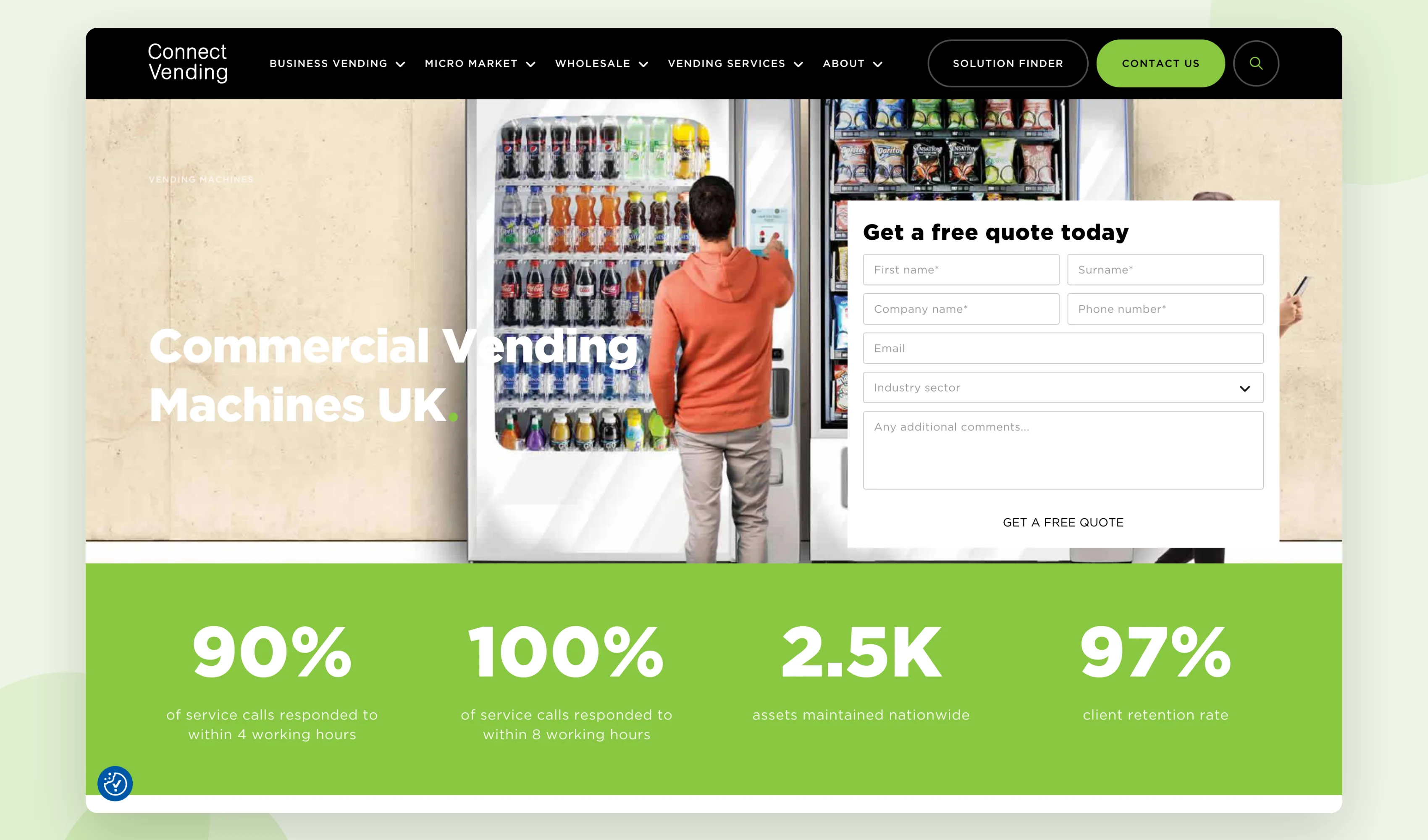

"James and his team at Code23 have recently provided us with a brand new website with a responsive design that looks great on any device. Being based on the WordPress platform it's easy for us to manage the content ourselves, which allows us to keep the website fresh as new products and industry news arrives... We're very pleased with the final result - James understood exactly what we were looking for."
Cost comparison: build, hosting and maintenance
| Cost line | WordPress (typical UK orientation) | Payload / headless (typical UK orientation) |
|---|---|---|
| Brochure-style build | Often £3,000-£15,000 depending on design depth | Often £8,000-£30,000+ when custom front end + schema |
| Content-heavy / catalogue | £8,000-£25,000 common market band | Higher when modelling and front-end components dominate |
| Hosting | Shared/managed WP hosting from low tens to low hundreds £/month | App hosting (e.g. Node + DB) often higher than basic WP shared |
| Maintenance | Plugin/core cadence; our public tiers £495 / £1,850 / £3,450 | Dependency updates, schema reviews, front-end deploys; same care tiers when we operate it |
| Extras | Priced before we do them | Priced before we do them |
Those build figures are UK market ranges, not a Code23 quote. Once we have scoped the work, we set a fixed price for it. Agentic delivery holds comparable implementation at roughly half a traditional bench cost - useful on migrations where scripts and repetitive templates dominate.
Hosting is not the decision. Editor success and total cost of change are. A cheap WordPress host with ten abandoned plugins is more expensive than a slightly dearer Payload deploy with a clean schema.
Service hub: websites and apps.
Frequently asked questions
Is there a UK agency that works with both WordPress and Payload CMS?
Yes. Code23 has built on WordPress since 2005 and runs live Payload CMS projects on the modern TypeScript stack today. We’re not migrating everyone off WordPress to sell a rebuild; we tell you plainly which one fits your job, then build or maintain it under the same Support & Growth tiers either way.
How do you migrate a WordPress site to Payload CMS?
It only makes sense when the front end is being rebuilt anyway, so redesign and replatform happen together rather than twice. We map your content model against what Payload actually needs, script the migration, protect your URLs and redirects, and train your editors on the new admin before launch. We scope it and set a fixed price agreed up front.
What’s the real difference between WordPress and Payload CMS?
WordPress gives you a huge plugin market and an admin most editors already know. Payload gives you typed content models, code-level access control and a headless setup built for Next.js style front ends, with more engineering up front and less plugin roulette later. Neither wins on its own; it depends on whether your job needs editorial speed or a modelled product.
Next step
Whichever CMS your next project needs, the decision comes down to your content model and your team’s workflow, not which platform is trendier this year.
If your WordPress site is healthy, keep it that way: our Support & Growth plans handle hosting, updates and plugin hygiene so it stays dependable. If the job has outgrown plugins and page builders, we’ll scope a Payload build or migration and give you a fixed price agreed up front, with a Discovery Sprint credited against it if you go ahead.
We’ve delivered 350+ projects since 2005, on WordPress and on the modern stack, and we’ll tell you plainly which one your project actually needs.
Keep improving
Turn the next improvement into a measured release.
We’ll prioritise the work, ship it cleanly and measure what changes instead of letting the backlog gather dust.