Why UX Workshops are Essential to a Project Kick-off
Kicking off a new project, whether it’s for an app, software development, or web development, can feel daunting…but it doesn’t have to. UX workshops are a great way to give everyone involved with the project a clear understanding of the starting point, the desired outcome, and a structure of how
Kicking off a new project, whether it’s for an app, software development, or web development, can feel daunting…but it doesn’t have to.
UX workshops are a great way to give everyone involved with the project a clear understanding of the starting point, the desired outcome, and a structure of how you’ll get from a to b. They’re the perfect opportunity for both the client and the digital design agency to get to know the project, the market, and each other.
Not only does this help formulate a project plan enabling you to set milestones and get everyone on the same page, but it can also help save time, cut costs, optimise your time together, and generate better results.
So, a UX workshop at project kick-off is by no means a first date, it’s more like date number two or three. You know a bit about each other already and there’s definitely a spark there, now it’s time to delve deeper and develop the relationship!
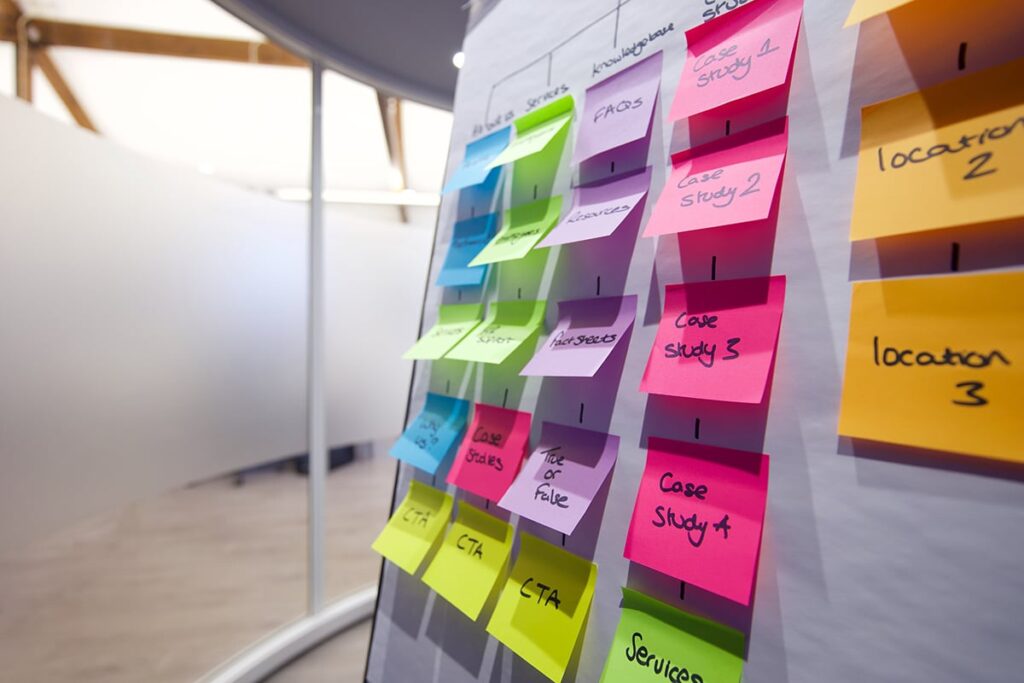
What is a UX workshop?
So hang on a minute. If a UX workshop is a group of people getting together to discuss a project, that’s just a meeting, isn’t it? Well, the important difference here is that a UX workshop has a set goal with a desired outcome. And the keyword is ‘workshop’.
It’s a coming together of minds (such as clients, colleagues, and users) to collaborate on a single topic. The workshops are used to gather data, solve problems, generate ideas, and identify the best solutions. We all know how hard it can be to get the key project stakeholders together in one place (be it physically or on Zoom). The structure of a UX workshop lets you get the most from your limited time together.
Why UX workshops are essential
Perhaps the most important element of UX workshops is the letter U. They help everyone view the project through the lens of the user. That’s because the key focus of these workshops is to put the user first which helps build empathy for them by giving everyone a common understanding of their needs and behaviours, their journey through your product, and how they interact with it.
If user research – such as tester feedback or interviews – has been undertaken, a UX workshop allows key stakeholders to join forces to review this data and collectively interpret how it should shape the project focus and outcomes. Want to learn more about the basics of UX? Then click here. Or to find out more about the benefits of good UX design for your business click here.
Let’s take a look at some of the other benefits of UX workshops.
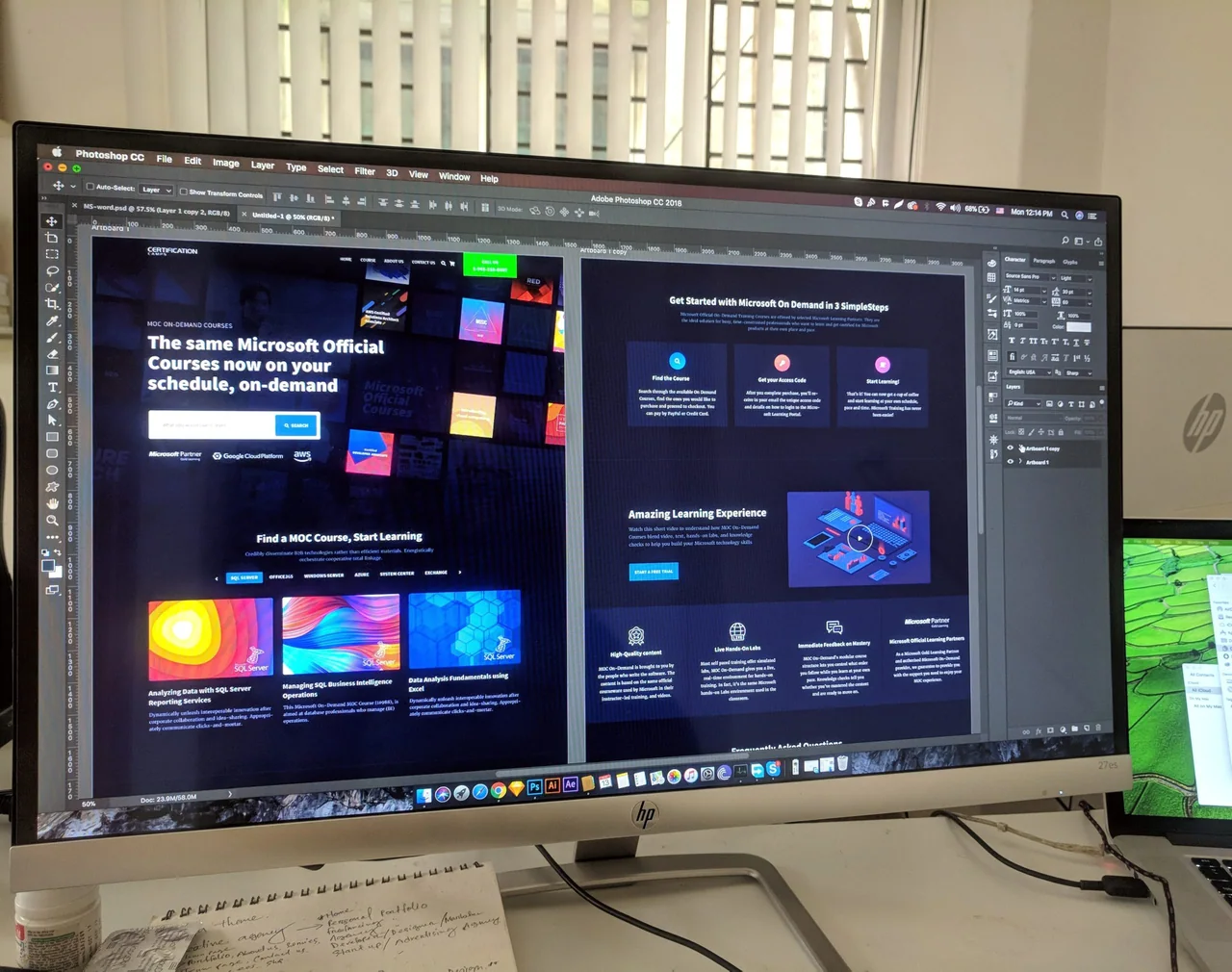
Define project objectives
What’s the purpose of the project? How does the client define success? UX workshops, particularly at the kick-off stage, allow stakeholders to lay their cards on the table with regards their expectations for the project. The solution can then be designed so it is in line with the client’s objectives and goals, whilst also taking into account any potential constraints or roadblocks.
"A real pleasure working with Code 23 who, from the beginning listened to our needs, were able to navigate the challenges that arose during the project, and had the expertise to deliver a secure and future proof site. We really valued their flexibility to adapt, without compromising the creative direction and functionality."
Stakeholder buy-in
There’s only so much you can glean about what a client really wants from emails and phone calls. Nothing beats a face-to-face workshop for outlining what they see as the purpose of the project and what a successful outcome would look like to them. By allowing everyone to be fully involved from day dot, UX workshops ensure everyone feels part of the team effort and more engaged.

New perspectives
The collaborative nature of UX workshops means you’re bringing together key stakeholders from both the agency and the client side. As a result, the room will be a creative buzz of designers, developers, product managers, marketeers, salespeople, and even CEOs. That’s a lot of different skill sets. A lot of vital opinions. If two heads are better than one, multiple heads can only be a good thing.
Check out the competition
Dissecting the target marketplace is a vital component of the design process. As well as giving everyone an understanding of where the finished product will fit, taking a deep dive into the strengths and weaknesses of the competition can help identify potential gaps in the market. The design can then be re-focused to ensure your final product fills that unique niche in the market place.
Time to build
Once you have defined the business objectives and user needs, UX workshops can be used to start structuring the architecture for your project (e.g. creating the foundations or blueprint for building your project). Known as Information Architecture, this is a collaborative process involving client and agency team members sorting the required elements into the best possible structure for the desired outcome.
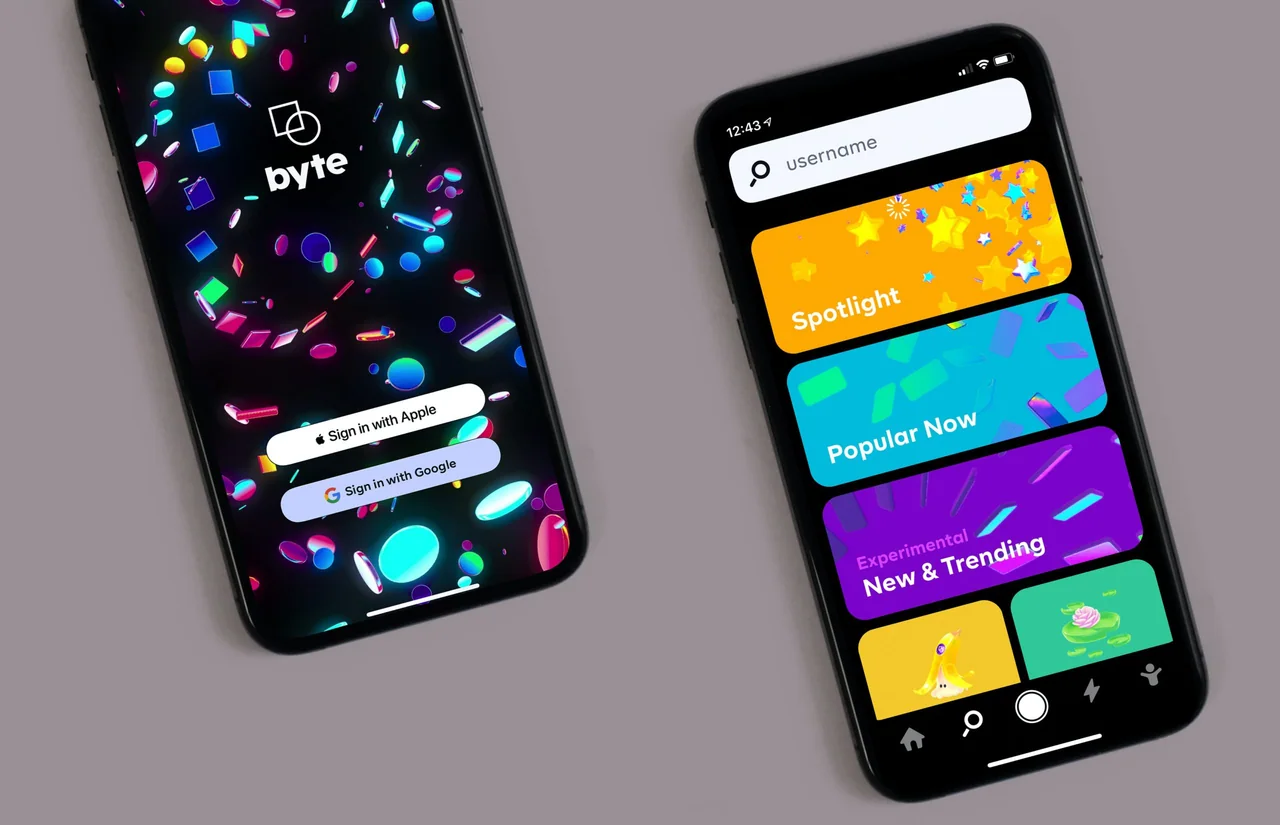
Test the market
An MVP (Minimum Viable Product) is essentially the first draft of a product or service. To see if the project is hitting the right notes from a user point of view, MVPs are often given to users for testing. Their invaluable feedback is then discussed in a UX workshop to help define the next stages of development e.g. what can be done to the design to help improve the user experience in the finished product.
Agency matchmaking
From a client point of view, a UX workshop at the project kick-off stage is a great way to gauge if you’ve picked the right agency for your brand before too much time has passed (and too much money has been spent). As you will be in the room with key stakeholders from the agency, it’s the perfect opportunity to see if their design and development processes are a good match with yours.

A UX workshop for every goal
Although our focus so far has been on the benefits of a UX workshop at project kick-off, there are other UX workshops that can be utilised throughout the design process to keep the overall project on track, on time, and on budget.
- Discovery workshops: most commonly used at project kick-off, these collaborative workshops are used to define the client requirements, understand the marketplace, and agree on the project plans and priorities
- Empathy workshops: these sessions are all about defining who the typical user will be and identifying their needs, motivations, and behaviours so the project can be designed and developed from their viewpoint
- Design workshops: these creative workshops are used to create ideas. A lot of ideas. The collaborative workshop element has the benefit of giving a feeling of shared ownership in a successful project outcome
- Prioritisation workshops: having defined the ideas and features for the project, these sessions are used to work together to decide what the priorities are by ranking them so there’s a clear focus for the next stage
- Critique workshops: these invaluable feedback sessions ensure everything stays on track by helping everyone focus on the user, which makes the project stronger and can give you a competitive advantage
Save time and money
No matter what your digital project may be, running a UX workshop at the kick-off stage will help reduce the risk of unnecessary costs and save you time.
Having created award-winning digital solutions for over 15 years, when it comes to running successful UX workshops, we’ve got the UX factor. That’s because we’re flexible, we take the time to understand our clients, and we use a user-centric approach to our work including web design, eCommerce, custom software development, and mobile apps. As a result, we create inspiring, usable, thoughtful design.
Frequently asked questions
What is the difference between a UX workshop and a normal meeting?
A meeting is open-ended. A UX workshop has a set goal and a desired outcome, structured so you get there even with limited time together. At Code23 we run each kick-off workshop with a clear agenda, so nobody leaves without a shared plan for what happens next.
Who should attend a UX workshop at project kick-off?
Bring whoever will actually make decisions on both sides. That’s usually your key stakeholders plus ours, and whoever from design, development or product needs a say. The wider the mix of perspectives in the room, the fewer surprises you’ll hit once the project’s under way.
What happens if you skip the UX workshop?
You can start building without one, but then you’re guessing at what success looks like instead of agreeing it up front. We’ve run workshops on projects of every size for over 20 years, and the ones that skip this step nearly always end up revisiting decisions later, at a higher cost.
Can a UX workshop happen remotely?
Yes. We’ve run kick-off workshops in person and over video call, and both work well. What matters isn’t the room, it’s the structure: a clear goal, the right people in it, and enough time set aside so nobody’s half-attending between other meetings while decisions are being made.
Next step
If you’re about to kick off a new project, don’t skip the workshop to save time. It costs more to unpick decisions later than it does to agree them up front.
Talk to us about running a UX workshop at your kick-off, whether it’s a website, an app or custom software. We’ve been doing this for over 20 years, across 350+ projects, so we know how to get the right people in the room and get straight to what matters.
Design the product
Make the product easier to use before you build it.
We’ll turn the key journeys into a testable prototype, remove friction and give the build team a clear product direction.


