PayPerClick for marketplaces: How to scale with PPC advertising
How marketplaces use PPC to scale: keyword research, campaign structure, ad copy, bid management, landing pages and retargeting, plus what a free Google Ads review checks first.
How do you scale a marketplace with PPC advertising? Use paid search to test and acquire demand where relevant searches exist, then scale only while conversion quality and unit economics remain acceptable: tight keyword groups built around what buyers actually search for, ad copy and assets that match the intent, landing pages that lead straight to live listings rather than a homepage, and tracking that shows a real cost per enquiry, not just clicks. Google Ads is the platform most UK marketplaces mean by PPC, and it now includes Performance Max alongside standard Search campaigns, so a product or listings catalogue can show up across Google's Search, Shopping, Display, YouTube, Discover, Gmail and Maps inventory from one campaign. None of that replaces the groundwork: negative keywords, a landing page for each offer, and conversion tracking wired to a real enquiry, not a page view. We build and manage Google Ads on marketplace clients' own accounts, and we've run paid search for clients for over 10 years.
What is PayPerClick (PPC) for marketplaces?
PayPerClick or PPC is a charging model where the advertiser pays for clicks rather than impressions, commonly used by online marketplaces to promote their products or services. In Google Ads, Search campaigns can use keyword-based auctions where ads may appear in eligible positions on the results page when someone searches for those keywords; other campaign types such as Shopping, Display, Video and Performance Max work differently. When a user clicks on an ad, the advertiser pays a fee.
For online marketplaces, PPC can be a cost-effective way to drive traffic and increase visibility. By targeting specific demographics, geographic locations and search terms, online marketplaces can improve the odds that their ads reach people who are likely to be interested in their products or services. This can help online marketplaces reach new customers and increase sales.

1. Keyword Research
"We've worked with Code23 for many years now. They designed our first website and have been working on our SEO for a year or so now… Code23 give excellent service - always professional, prompt and technically superb."
The foundation of a successful Pay Per Click campaign lies in identifying the most relevant and cost-effective keywords for your marketplace. This improves the chances that your ads reach the right audience, increasing the likelihood of conversions. To do this, you need to perform thorough keyword research, analysing search volumes, competition, and cost per click (CPC) for various keyword groups. Tools like Google Ads Keyword Planner, Ahrefs, and Semrush generate keyword ideas and volume or competition estimates, and can uncover long-tail opportunities that may have lower competition and costs; treat their suggestions as starting points to test, not guaranteed "high-performing" terms.
2. Campaign Structuring
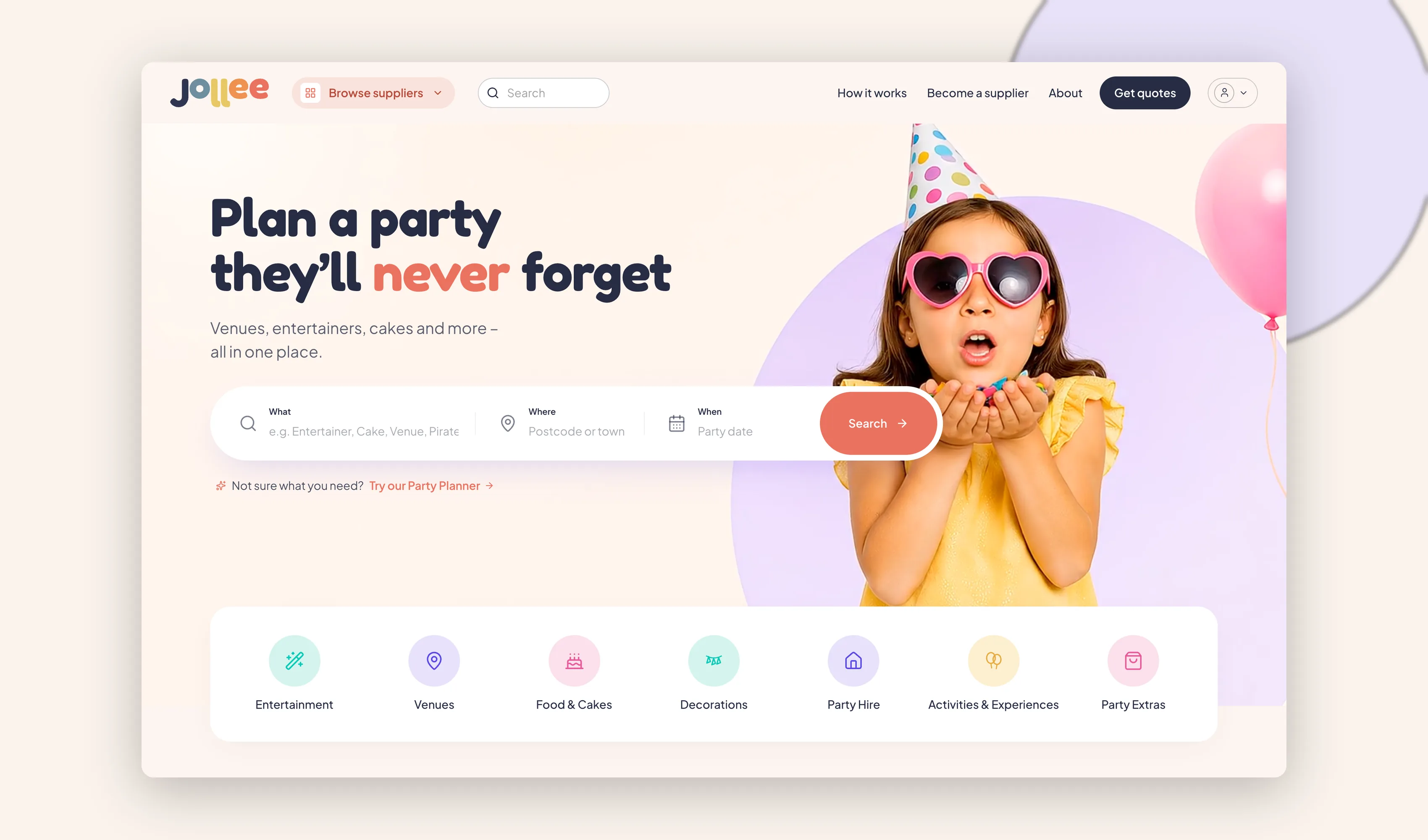
Organise campaigns and ad groups so ads and landing pages match one intent. That can support relevance, but CPC and conversion depend on the auction, bids, competition, offer and landing page. Start by organising your PPC campaigns into clearly defined ad campaigns and ad groups with related keywords and ads. This approach enables you to create highly-targeted ads for specific segments of your audience, improving your chances of driving clicks and conversions. Keep your ad groups themed around a single search intent and a matching landing page. Google's current exact-match matching already covers close variants and synonyms, but Google publishes no optimum number of keywords per group and does not guarantee that smaller groups outperform larger ones, so size each group around intent rather than a fixed count.
3. Ad Creation
Designing compelling ad copy and visuals is crucial for resonating with your target audience and encouraging them to click. Your ads should highlight the unique selling points of your marketplace, using persuasive language and clear, concise messaging. Additionally, use high-quality images or videos to showcase your products or services, and add assets such as sitelinks, callouts and structured snippets (Google renamed ad extensions to assets) to provide additional information; they may improve visibility or engagement, though results vary by campaign.
4. Bid Management
Choose a bid strategy from the campaign goal, conversion quality, data volume and required control; a small budget alone does not make Manual CPC better (Google's current bidding guidance). Monitor outcomes and search terms; do not manually adjust individual bids when the selected automated strategy manages them. Automated bidding strategies, such as Target CPA, Target ROAS, or Maximise Conversions, optimise bids based on your specific goals. If your marketplace has a product feed, Performance Max can also put those listings across Google's Search, Shopping, Display, YouTube, Discover, Gmail and Maps inventory from one campaign, alongside your keyword-based Search campaigns. It is also important to keep a close eye on the search terms report, exclude any negative keywords that you don't want to bid on, and check the invalid-traffic reporting Google provides, since detected invalid clicks are filtered or credited rather than charged (Google's invalid-click guidance).
5. Landing Page Optimisation
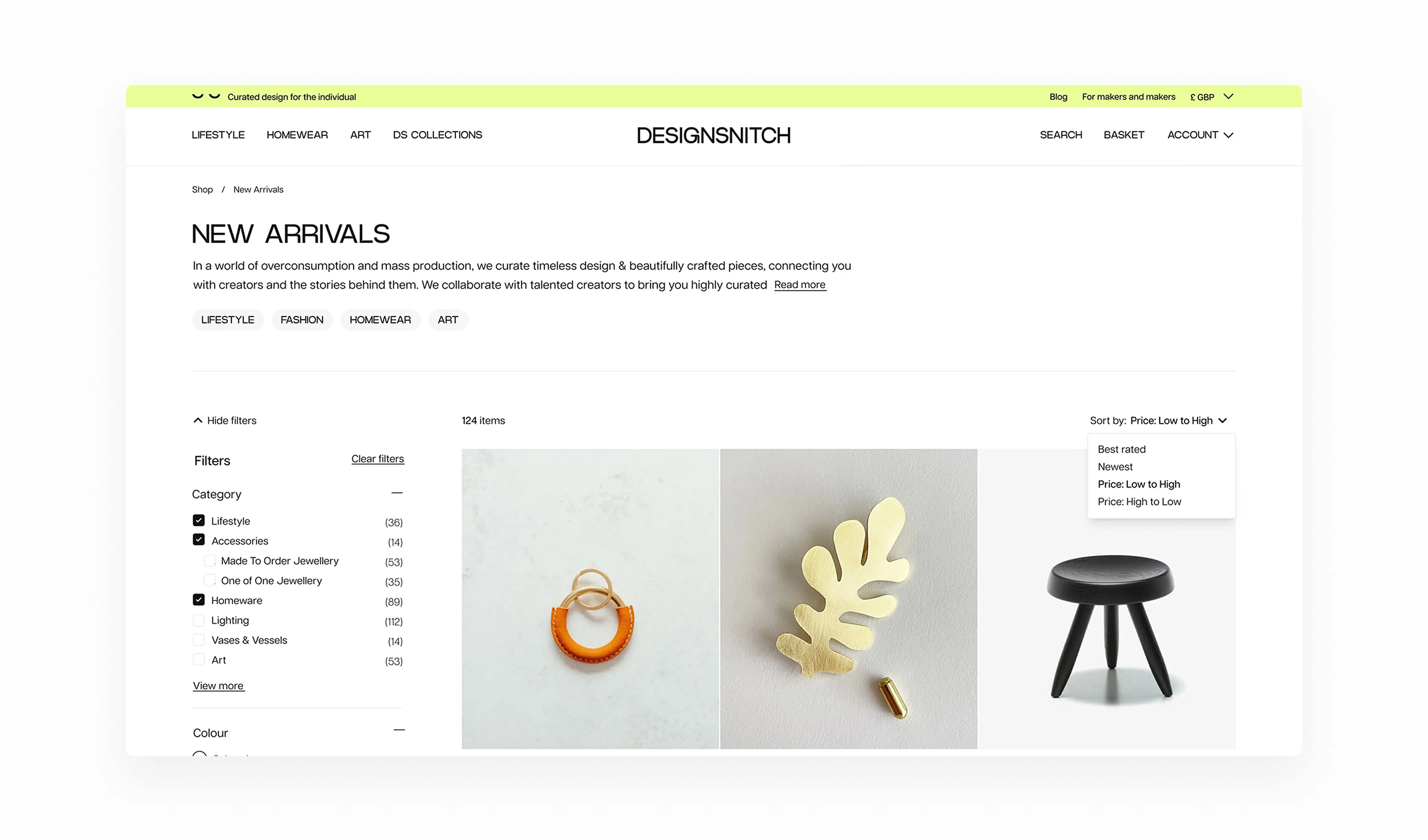
Your PPC ads should direct users to optimised landing pages that are relevant to their search queries and designed to drive conversions. These landing pages should feature clear calls-to-action (CTAs), relevant content, and an intuitive user experience. To further improve conversions, consider using dedicated landing pages for specific ad groups or offers, ensuring a consistent message and user journey from ad to conversion.
6. Performance Analysis
Regularly tracking and analysing your PPC campaigns is essential for making data-driven decisions and improving performance. Tools like Google Ads and Microsoft Advertising provide a wealth of data, including impressions, clicks, CTRs, conversions, and cost per conversion. By monitoring these metrics and identifying trends, you can uncover areas for improvement and adjust your campaigns accordingly. Additionally, conversion tracking and attribution models can help you allocate your budget more effectively. Attribution models assign credit across the ad interactions Google can measure; they do not reveal the complete customer journey.
7. Retargeting
Retargeting, using your-data audiences built from site visits or brand interactions, can show ads to people who've previously visited your site, but only with appropriate consent and in line with ICO cookie-consent guidance. This can be done through display remarketing campaigns, which display ads across the Google Display Network, or search remarketing campaigns, which target users with tailored ads when they perform relevant searches. To assess whether it's working, segment your audiences where lawful and measure incremental results rather than assuming a lift. For instance, an audience of shoppers who abandoned their cart can be shown ads for the items they left behind, subject to the same consent rules.
8. A/B Testing
Use controlled experiments when traffic and conversion volume are sufficient to compare a specific change, such as bid strategies, ad copy, visuals, and keywords. By continuously testing different elements of your PPC campaigns, you can identify what resonates best with your audience and refine your strategies to maximise performance. Some areas to consider for testing include:
- Ad headlines and descriptions: Experiment with different headlines and descriptions to see which ones generate higher CTRs and conversions.
- Landing page design and content: Test various layouts, CTAs, and content formats to determine which combinations drive the most conversions.
- Bidding strategies: Compare the performance of automated versus manual bidding, or test different automated strategies to find the most cost-effective approach.
- Ad assets: Test different combinations of sitelinks, callouts, and structured snippets to see which ones improve CTRs and user engagement.
Conclusion
Growing your marketplace using PPC advertising requires careful planning, strategic execution, and ongoing optimisation. By focusing on the key aspects outlined in this blog post, you can improve your PPC campaigns' chances of delivering a strong return and driving growth for your marketplace.
Code23 has run Google Ads for clients for over 10 years, on marketplaces and beyond. We build the campaigns, the landing pages they land on and the tracking that shows what each pound actually bought.
Frequently asked questions
How much does PPC cost for a marketplace?
Two costs, kept separate. Ad spend goes straight to Google for clicks, and how much you need depends on your market and what a lead’s worth to you. Management, if you use an agency, is a separate fee; ours starts from £1,850 a month for running search campaigns, tracking and landing pages, confirmed after a free Google Ads review that shows what your current budget is buying in 48 hours.
Is PPC worth it for a marketplace?
It’s worth it once buyers already search for what your marketplace lists, you can send that click to a listing or category page rather than the homepage, and you can measure cost per enquiry properly. It’s not worth it if your tracking is broken, your landing page is generic, or the budget can’t cover a fair test of the searches that matter to your niche.
Should a marketplace run PPC for buyers and sellers at the same time?
It depends on your current constraint. When inventory or supply is thin, seller-side campaigns may need to come first. When inventory is healthy and demand is searchable, a buyer-side campaign may be the more relevant test in a small budget. Once one side of PPC is profitable and the category pages convert, some marketplaces run a smaller campaign for the other side, with its own landing page and its own cost per enquiry, rather than mixing the two together.
Google Ads or SEO first for a marketplace?
Choose Google Ads when you need enquiries this quarter for searches buyers already type. Choose SEO when you want organic traffic to your category and listing pages that you don’t pay for on every click. Many marketplaces end up running both: paid search can bring visits now, while SEO work on the same pages can build organic visibility over months. Our SEO vs PPC guide covers the trade-offs.
Next step
PPC can work well for a marketplace once the basics are in place: keyword groups built around what buyers actually search for, landing pages that lead to a listing or category page instead of the homepage, and tracking that shows a real cost per enquiry.
Our free Google Ads review checks all of that on your account in 48 hours, at no cost. If you want it managed, we build the campaigns and the landing pages they land on, and report cost per enquiry every month, on your own Google Ads account. We’ve run Google Ads for clients for over 10 years.
Plan the next release
Build the next version around the result it needs to produce.
We’ll define the scope, design the journeys and build the systems behind them with one senior UK team.