Mastering marketplace social media: Building a community
How to build a real community around your marketplace, not just followers on social media. James Ansell on why trust lives in verified profiles, reviews and messaging, not the feed.
Social media gets people to notice your marketplace. Social media can contribute to awareness and trust, but it cannot replace transaction-linked profiles, moderation, messaging and history inside the product. That's the mix-up behind a lot of marketplace social strategies: chasing followers and engagement on a platform you don't own, while the actual community, the thing that makes buyers and sellers stick around, lives inside the product itself.
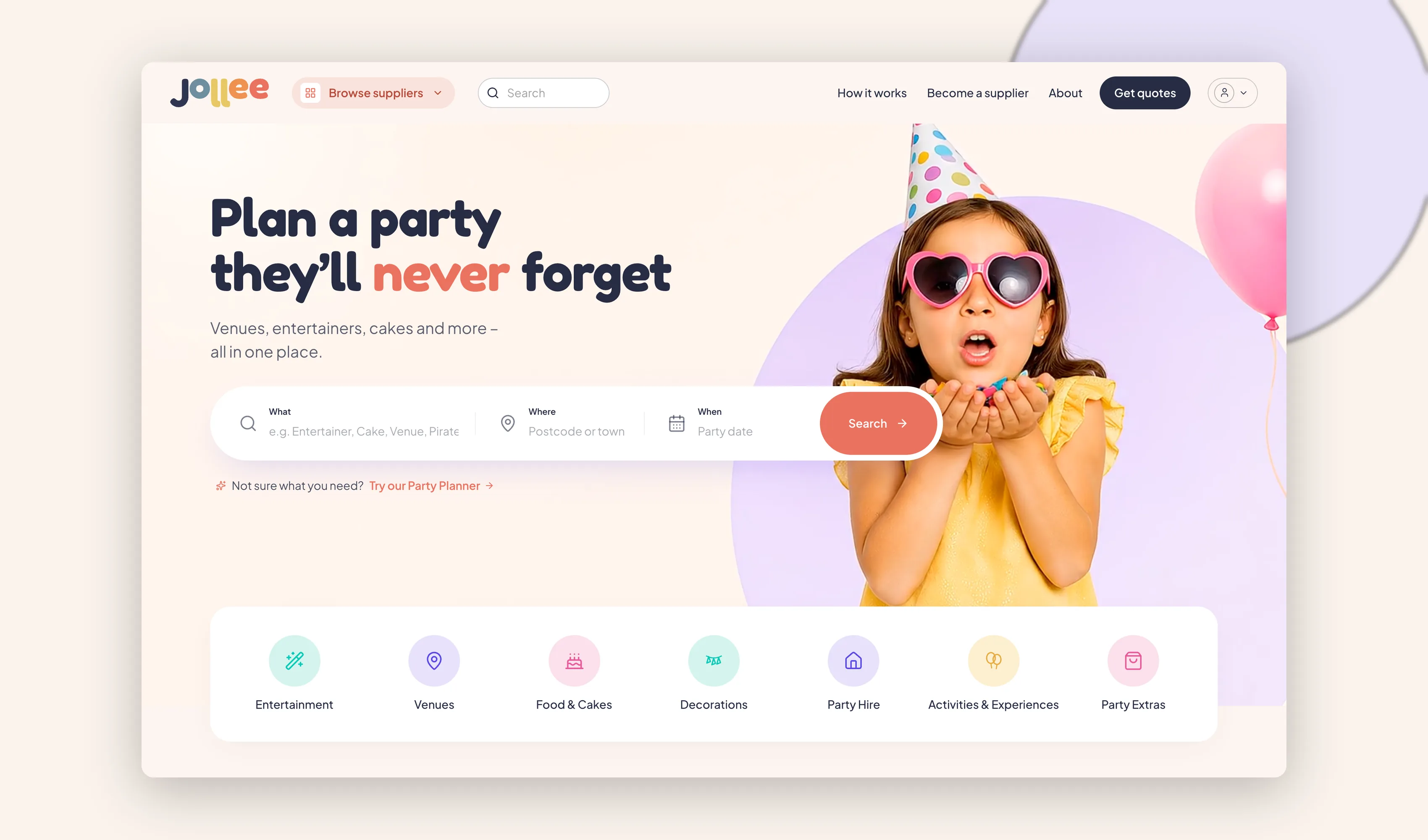
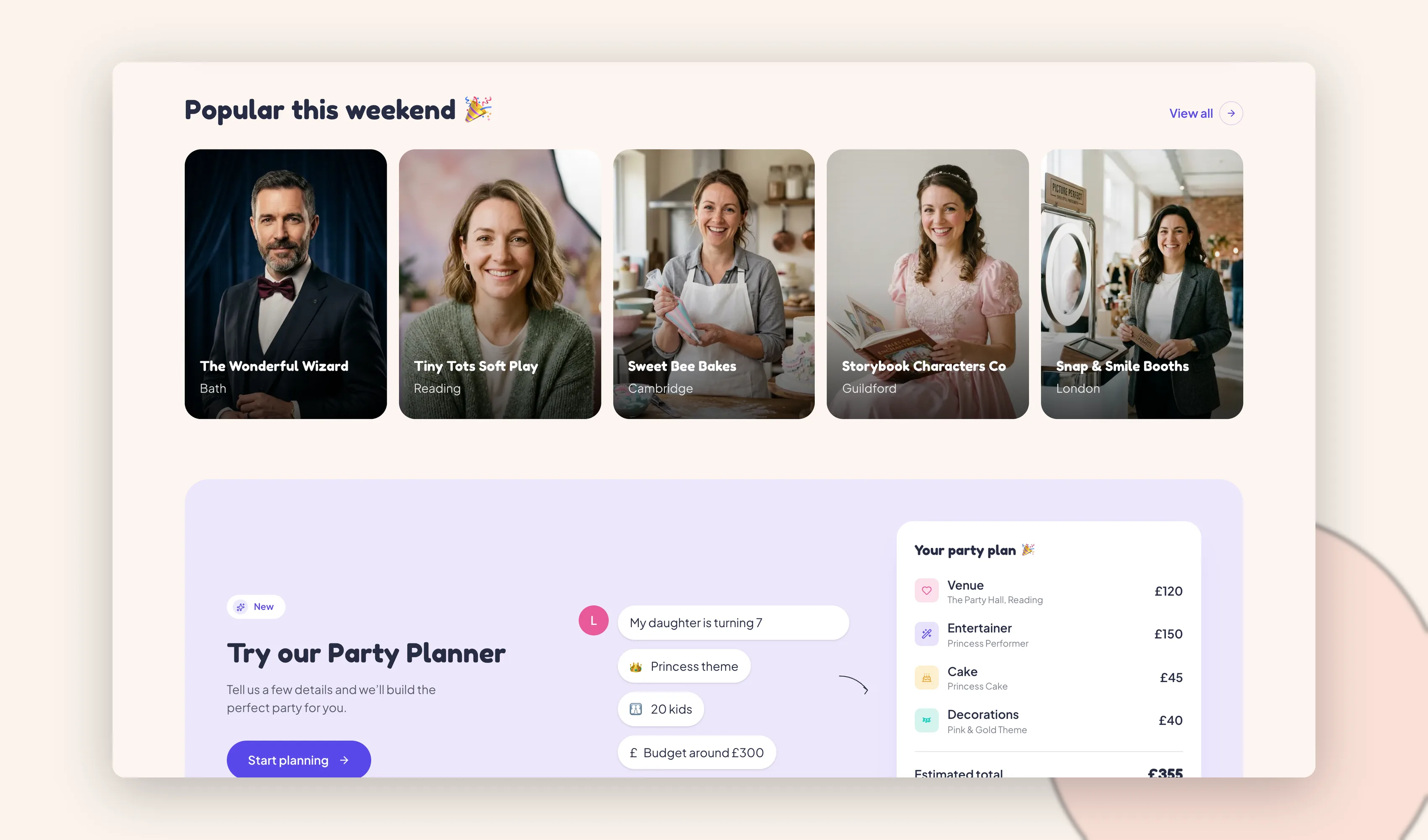
At Code23 we build marketplaces where verified profiles, transaction-linked, moderated reviews, fast messaging and a visible seller history add trust inside the product rather than leaving it all to a Facebook group or Instagram feed. Jollee, a kids' party marketplace we built, replaced the Facebook groups and endless enquiry messages that party planning used to run on with exactly that.
Social media still has a job here, mostly getting the right people to your marketplace in the first place. Building the community that keeps them is a product decision, not a posting schedule.

Understanding the power of marketplace social media
To master marketplace social media, it’s important to understand its power. A robust social media presence allows you to promote your offerings, interact directly with your audience, and cultivate a brand image.
“DataReportal’s Digital 2026 report estimated 5.66 billion active social-media user identities, equal to 68.7% of the global population; the figure may include duplicate or non-human identities.”
DataReportal, Digital 2026 Global Overview Report
How is social media used by marketplaces?
Online marketplaces have turned to social media as a vital tool for achieving various objectives. Here are some of the most common ways a social media platform and marketplace community can work together:
Brand Awareness: Social media platforms are instrumental in increasing the visibility of marketplaces. By sharing engaging content regularly, brands can stay top-of-mind for their followers. This exposure helps attract new customers and keeps existing ones engaged.
Community Building: As we’ve mentioned earlier, social media is an effective tool for building a community around your brand. Marketplaces use social media to foster a sense of belonging and engagement among their users. They accomplish this through interactive content, customer stories, and by responding directly to customer posts.
Promotion and Advertising: Marketplaces use social media to promote products, special deals, and events. The advertising tools provided by social media platforms allow campaigns to target selected audience signals, with performance verified against conversions.
Customer Service: Many marketplaces use social media as a customer service tool. Customers often find it easier to send a quick message on social media than to make a call or send an email. Brands that respond quickly and effectively to these queries can improve service when response time and resolution quality are good.
Gathering Customer Feedback: Social media provides marketplaces with an easy way to gather feedback and understand customer needs. By asking questions, conducting polls, and monitoring comments, brands can gain valuable insights that can inform business strategies and product development.
Influencer Marketing: Collaborating with influencers is another popular way marketplaces use social media. Influencers can give a marketplace access to an established audience. Measure the partnership against qualified visits and conversions rather than assuming credibility will transfer.
Content Marketing: Marketplaces use social media to share valuable content related to their industry or products. This could include blog posts, how-to guides, product demos, and more. This not only provides value to followers but can also demonstrate expertise in its industry.
Creating a clear social media marketplace strategy
Successful marketplace social media starts with a clear social media strategy. This involves determining your goals, understanding your audience, choosing the right social media channels, and creating a content plan.
Your goals could be brand awareness, customer engagement, lead generation, or customer service. Understanding your audience will help you to craft content that resonates with them, and choosing the right platforms helps you reach them where they are most active.
"…When things go wrong, they are quick to sort it. When we have questions, they go out of their way to answer us, and when better technology comes along that we ought to consider they tell us about it. Without James and his team I couldn't guarantee we'd still be trading!"
Cultivating your online community
Creating a community around your marketplace is about more than just promoting your products or services. It’s about creating an environment where your customers feel valued, heard, and connected to your brand. Here are some key community strategies:
- Engage Regularly and Authentically: Regularly engage with your audience in an authentic manner. Respond to comments, answer queries, and react to their posts. Show them you’re not just a faceless company, but a group of real people who value their input.
- User-Generated Content (UGC): Encourage your community members to share their own content related to your marketplace. This could be photos of them using your products, reviews, or posts about their experiences. UGC can provide customer-created material and help community members feel involved, but moderate it and obtain permission before reusing it.
- Create Exclusive Social Media Content: Provide value to your community by offering exclusive content that can’t be found elsewhere. This could be behind-the-scenes looks, expert advice, or sneak peeks of new products.
- Host Contests and Giveaways: Regular contests and giveaways can drive engagement and create excitement within your community. Make sure the rewards are relevant and appealing to your audience.
- Use Social Media for Customer Service: Many customers now turn to social media for customer service inquiries. Ensure you have a system in place to respond promptly and professionally to such requests.
Measure and adjust frequently
The final step in mastering marketplace social media is measurement. Regularly monitor your social media metrics to assess what’s working and what’s not. Use these insights to adjust your strategy and improve your performance. Important metrics to track include engagement rates, follower growth, and conversion rates.
Does social media marketing work in the B2B marketplace space?
Social media can support B2B marketing when the audience and content fit the platform. While the strategies might vary, the principles of creating brand awareness, building trust, and nurturing relationships remain central to any marketing effort. Here’s how social media marketing works in the B2B landscape:
Brand Awareness and Thought Leadership: B2B businesses use social media to increase brand awareness and establish themselves as thought leaders in their industry. By consistently sharing relevant and valuable content, companies can engage their audience, spark conversations, and position their brand at the forefront of their industry.
Lead Generation: LinkedIn is commonly tested for B2B lead generation. Companies share content that directs users to landing pages, encouraging them to provide contact information in exchange for valuable resources, such as white papers or webinars.
Customer Relationship Management: Social media allows B2B companies to maintain relationships with existing customers by providing valuable content, addressing concerns, and showcasing new products or features. Regular, meaningful interaction helps to build trust and loyalty, and it can also lead to upselling and cross-selling opportunities.
Research and Insights: B2B marketers use social media to gain insights into their target audience’s needs, preferences, and pain points. This information can guide the development of new products, the refinement of existing ones, and the creation of targeted marketing campaigns.
Collaboration and Partnerships: B2B companies often use social media to establish partnerships and collaborations. This can involve co-hosting webinars, creating joint content, or simply engaging with each other’s posts to broaden reach.
Influencer Marketing: While influencer marketing is often associated with B2C companies, it also has a place in the B2B world. B2B influencers, often industry experts or thought leaders, can help amplify a company’s message and enhance its credibility.
It’s worth noting that the choice of platform is crucial in B2B marketplace social media marketing. LinkedIn is often the platform of choice due to its professional focus, but X (formerly Twitter), Facebook, and even Instagram can also be effective, depending on the target audience and the nature of the content being shared.
Conclusion
Building an online community through social media takes time, effort and a clear measurement plan. Track loyalty, awareness, enquiries and revenue against the cost.
Test a consistent publishing cadence and useful engagement, then keep the activity that contributes to enquiries and transactions.
Frequently asked questions
How do you build a community in your marketplace?
Start inside the product, not on social media. Verified seller profiles, transaction-linked, moderated reviews, fast messaging and a visible order history do the trust-building that a Facebook group or Instagram feed can only gesture at. Use social channels to bring people to the marketplace, then let what they find there, real sellers, real feedback, real availability, do the work of keeping them.
Does a marketplace need social media at all?
It helps with discovery and awareness, especially early on when nobody's searching for you by name yet. It should not be expected to replace the marketplace, where transaction history and platform controls can add further trust. Treat social as the front door, not the living room: it should point people at verified profiles and real listings, not try to be the community on its own.
What's the difference between social media followers and a marketplace community?
Followers are attention you're renting from someone else's algorithm, and they can disappear overnight if the platform changes. A marketplace community is people who trust your platform enough to return, leave a review or refer someone else, built through things you own: verified profiles, response times, and a track record buyers and sellers can actually check.
Next step
Social media is still worth doing. It gets the right people to notice your marketplace. But the community that keeps them, the reason a buyer trusts a seller enough to pay and a seller trusts your platform enough to list, is built into the product: verified profiles, transaction-linked moderated reviews, messaging and platform history either side can check.
If your marketplace is relying on a Facebook group or an Instagram feed to carry that weight, it's worth finding out what would happen to your community the day the algorithm changes. We've built 50+ marketplaces over 15+ years, and we design trust signals into the platform rather than relying only on a social feed.
Our free Marketplace Growth Review is a 30-minute call that helps you work out what carries your marketplace's trust today and where it should sit.
Plan the next release
Build the next version around the result it needs to produce.
We’ll define the scope, design the journeys and build the systems behind them with one senior UK team.


