Influencer marketing: The ultimate influencer marketplace guide
What is an influencer marketplace, and how does influencer marketing help a marketplace grow? What it is, how to build a strategy, and how to use one properly.
An influencer marketplace is a platform that connects brands with content creators, so brands can find, vet and pay influencers in one place instead of chasing DMs and spreadsheets. Influencer marketing itself works the same way it always has: it borrows trust an audience has already given someone, which usually gets you noticed faster and cheaper than paid ads.
If you already run a marketplace, influencer marketing is one channel among several for getting buyers and sellers to show up. If you’re building the marketplace itself, that is, a platform where brands and creators find each other, that’s a product we know well. Code23 has built marketplaces that match two sides of a market for 15+ years, from sponsorship platforms to services marketplaces.
What is influencer marketing?
Influencer marketing is a type of social media marketing where endorsements and product mentions come from influencers: people who’ve built a following and are seen as credible within a niche.
It works because the influencer has already done the hard part. They’ve built trust with an audience, so a recommendation carries more weight than an advert. That’s the whole mechanism: borrowed trust, not reach for its own sake.
For a marketplace, that trust can point buyers or sellers at your platform instead of a generic brand. Used well, it builds awareness and gets people through the door faster than paid ads alone.
Influencer marketing and social media
Influencer marketing runs on the same handful of platforms: Instagram, YouTube and TikTok, where influencers share content and engage an audience directly. Brands reach potential customers through the same channel the influencer already owns.
Done well, it’s one of the more direct routes to reach, engagement and sales for a marketplace. Partner with the right influencers, on social media that fits your marketplace, and you’re borrowing an audience that already trusts the person recommending you.
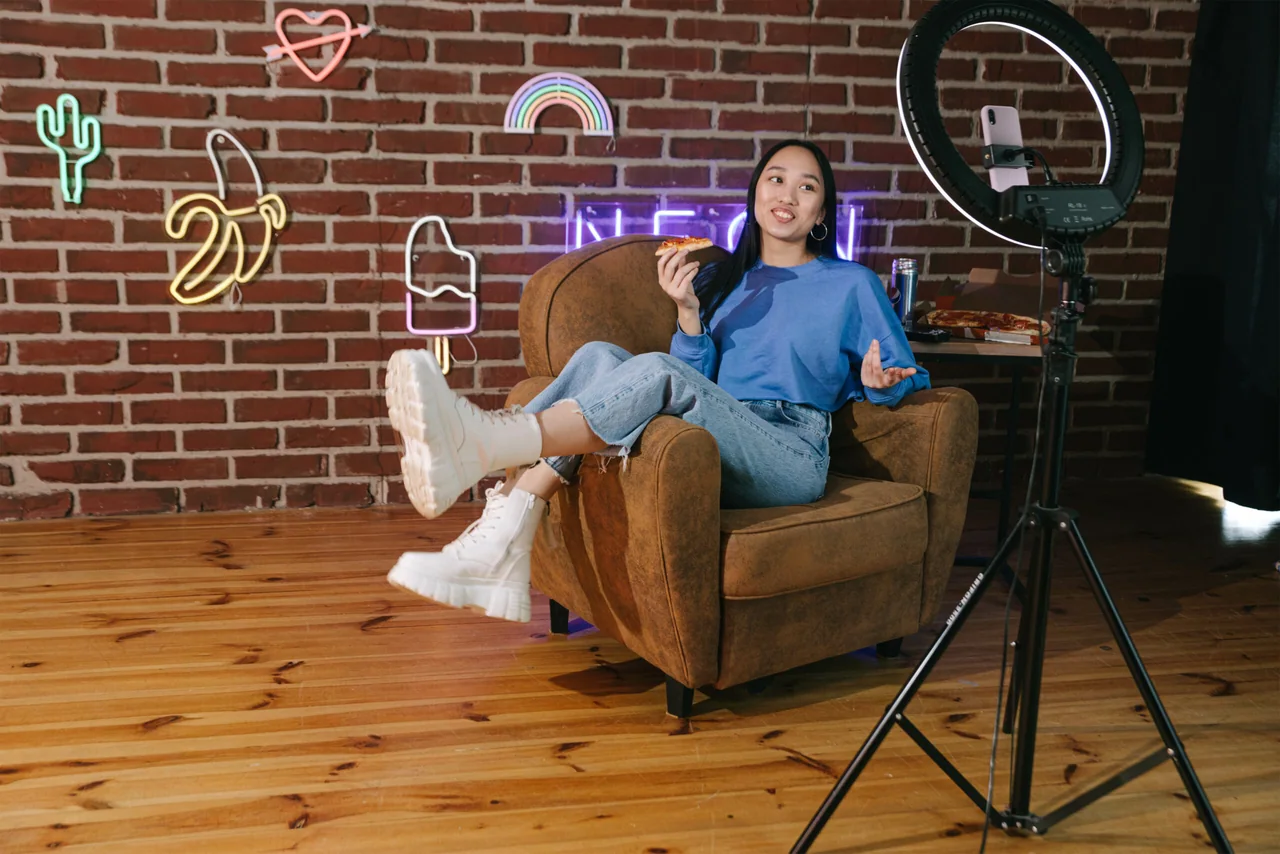
Influencer marketing strategy for marketplaces
Here’s how we’d build a strategy for a marketplace:
- Identify relevant influencers. Look for people who resonate with your brand and what your marketplace sells. A smaller, loyal following that matches your buyers beats a huge one that doesn’t.
- Engage with the influencers. Reach out, build the relationship, and be clear on what’s in it for them - payment, free products, or exposure to a bigger audience.
- Collaborate on content. Work with them on something authentic: a product review, an unboxing, a takeover, a sponsored post. Their own voice performs better than scripted brand copy.
- Promote the content. Push it through your own channels too. That’s what turns one creator’s post into reach, traffic and a relationship with their audience.
- Measure and optimise. Track engagement and conversions, not just views, and use that to sharpen the next campaign.
The rise of the influencer marketplace
An influencer marketplace is a platform that connects brands with influencers for marketing campaigns: a directory of vetted creators, deal terms, content approval and payment, instead of DMs and spreadsheets. Brands find suitable influencers faster, and can actually track a campaign instead of taking someone’s word for the numbers.
Influencers get something too: a way to monetise their following, find collaborations they wouldn’t otherwise see, and run several brand deals at once without it turning into an admin job.
How to utilise an influencer marketplace
A marketplace does most of the legwork for you. Here’s how to get started:
- Choose the right platform. Plenty of influencer marketplaces exist, each with its own features and creator base. Pick the one that matches your brand and your goals, not the biggest one.
- Define your campaign. Be clear on the goal, the audience and the kind of influencer you actually need before you start browsing profiles.
- Search for influencers. Use the platform’s filters to match follower count, engagement rate and content style against your campaign, not just who has the biggest following.
- Collaborate and track. Manage the whole thing through the platform: content approval, engagement, conversions, so none of it lives in someone’s inbox.
Every campaign starts from zero, and half your time goes on people who never reply.
Budget goes on: finding peopleThe creator base is already vetted, so the work goes into the campaign, not the search.
Budget goes on: the campaign itself"James Ansell really knows his stuff... and goes over and above the call of duty in my opinion. He's done everything we've ever asked and more. We are always getting comments about the look and feel of our website and how easy it is to navigate and use. This is all down to James. I would highly recommend James to anyone without a moment of hesitation."
Frequently asked questions
What is an influencer marketplace?
An influencer marketplace is a platform that brings brands and content creators together in one place, instead of DMs, spreadsheets and email chains. Brands search a directory of creators by niche, audience size and engagement, agree terms and pay through the platform, while the marketplace takes a fee or subscription for making the match.
How do influencer marketplaces make money?
Most charge a commission on each deal, a subscription for brands or creators to access the platform, or both. Commission tends to suit high-value, infrequent deals; subscriptions suit high-volume matching. Some also charge for premium placement or campaign management tools. Get payments and dispute handling right early. It’s much harder to bolt on once the platform’s live.
What’s the difference between influencer marketing and an influencer marketplace?
Influencer marketing is the activity: partnering with creators to reach their audience. An influencer marketplace is the software that makes that activity easier to run at scale, a directory of vetted creators, deal terms, content approval and payment in one workflow. You can do influencer marketing without a marketplace platform, but past a handful of partnerships, a spreadsheet stops being sustainable.
Can Code23 build an influencer marketplace platform?
Yes. Building marketplaces that match two sides of a market, whether that’s clubs and sponsors or parents and party suppliers, is what we do. An influencer marketplace needs the same foundations: creator profiles, search, messaging, secure payments and an admin team can trust. We’ve built 50+ marketplaces over 15+ years, and we’d scope yours the same way: a fixed price agreed up front.
Next step
Influencer marketing is one channel among several for getting buyers and sellers to your marketplace. Before you spend a campaign budget chasing creators, it’s worth checking whether the bigger opportunity is somewhere else on the platform.
If you’re at the stage of building the marketplace itself, that’s a different conversation. We’ve built 50+ marketplaces over 15+ years, matching two sides of a market the way an influencer platform has to: search, vetting, deal terms and payment, all in one place.
Either way, start with a conversation. The Marketplace Growth Review is a free 30-minute call that looks at what’s actually driving growth for your platform, and whether influencer marketing, or something else, is where your next move should be.
Plan the next release
Build the next version around the result it needs to produce.
We’ll define the scope, design the journeys and build the systems behind them with one senior UK team.


