8 Steps to Launching a Successful Mobile App
How to launch a successful mobile app in 2026: research, clear goals, the right platform, marketing and reviews, done the way Code23 builds every app.
What actually makes an app launch succeed? Research before you build, clear goals before you count downloads, and marketing that starts weeks before launch day rather than the morning after. We build apps at Code23, and it's rarely the flashiest feature that decides whether a launch works. It's whether someone did the unglamorous groundwork in this article first.
Treat the eight steps below as a checklist, not inspiration. Skip the research and you're guessing at who the app is even for. Skip the goals and you won't know if the launch worked. Get both right first, and the marketing decisions, which platform, which influencers, which ads, how to earn reviews, actually have something solid to aim at.
Contents
- Do your research
- Define your success
- Pick a platform
- Market your app to influencers
- Advertise your app
- App store optimisation
- Consider affiliate marketing
- Get reviews
- Next step
Do your research
Sure, the word ‘research’ can be groan-inducing, but when it comes to launching your app it makes a huge difference. Skip that research and you are guessing at what users want. That’s because having an understanding of the current landscape will help you plot where your app fits into the marketplace, and how you best position it to stand out from your competitors.
As well as taking a forensic dive into your direct competition (such as reading their app reviews so you can avoid common pitfalls) market research will help give you an understanding of your target audience so you can develop a marketing plan that appeals to them.
Researching the market will help ensure the best possible User Experience for your mobile app, which in turn gives you the edge over your competitors.

Define your success
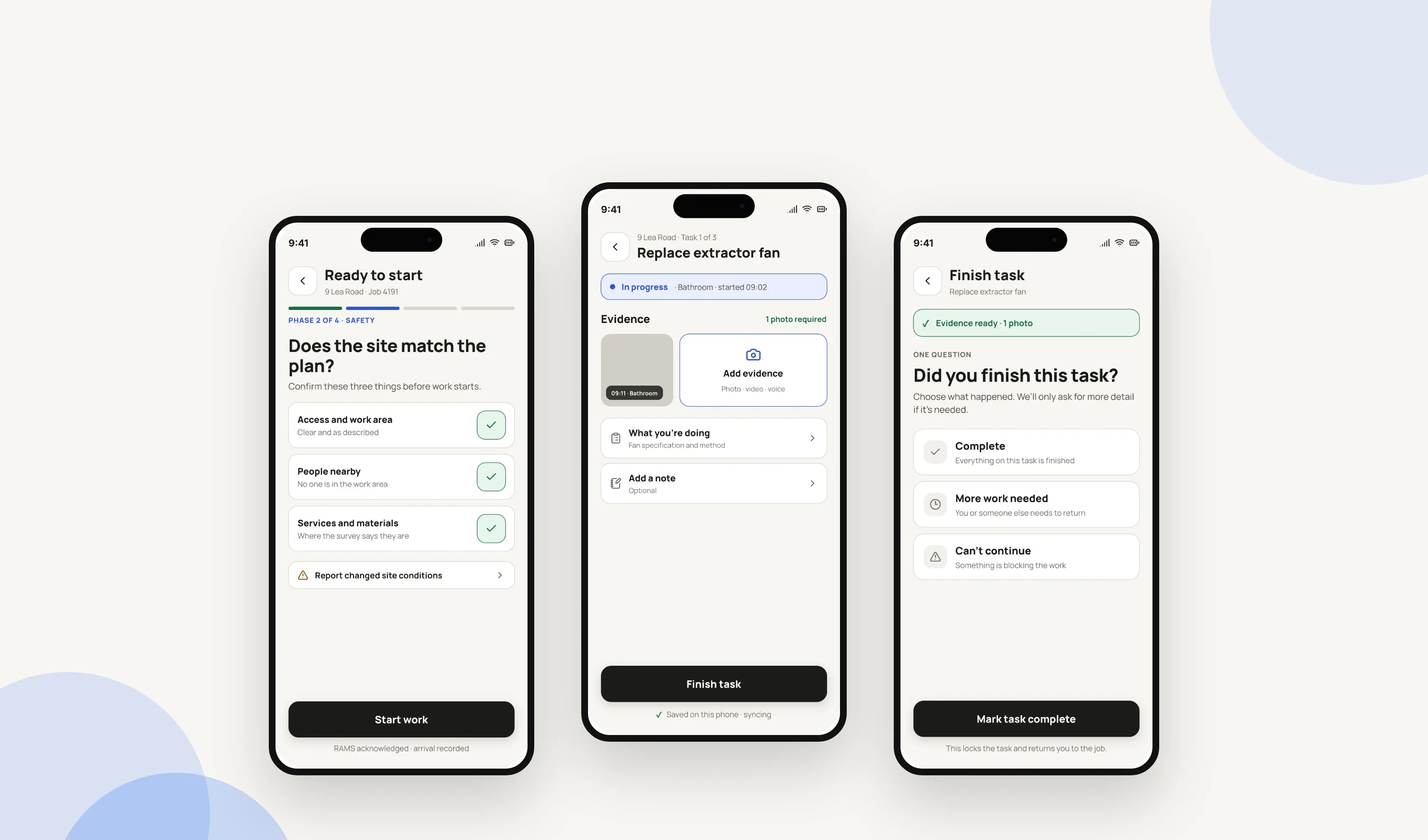
Success can mean many things to many people, but what does it mean to you? Having a clear understanding of what you want your app to achieve lets you track whether or not you are hitting the target. So we recommend setting measurable goals or key performance indicators (KPIs) before launch. Here are a few popular KPIs to get you started:
- General KPIs: the number of downloads over a given period, subscription levels, and upgrades (e.g. from a free to paid-for version of your app)
- User engagement KPIs: how often and how long users are engaging with your app – plus retention rates: how quickly and how often they return
- Growth KPIs: how often frequent users are inviting their friends to join your app – and how often those friends are then inviting their friends
- Advertising KPIs: keeping tabs on what effect all of the above is having on your app’s ability to make money from advertising
"We have been working with James and the team at Code 23 for about 18 months now on a lengthy and sometimes complicated app development. At all times we have found Code 23 to be calm, competent, and their advice has been invaluable. The app is now live and we are extremely pleased with the results and are happy to continue our relationship with Code 23 for enhancements and hosting. We would be pleased to recommend Code 23."
Pick a platform
In 2026, the platform question is simpler than it used to be. Google Play and the Apple App Store are where the vast majority of app searches and downloads happen. Windows Store and Amazon Appstore, which used to get a mention in a list like this, aren't where your users are looking any more.
If your budget allows it, launch on both iOS and Android. A cross-platform build, using a shared codebase across the two, means you're not paying twice for the same features and you're not leaving half your potential audience on the platform you didn't choose. We build apps for any platform, and cross-platform is the default we'd recommend unless there's a specific reason not to.


Market your app to influencers
There’s no denying the power of influencers. According to the Digital Marketing Institute, 70% of teens trust influencers more than traditional celebrities. (3) So the only question is which influencers are the best match for your brand? That’s where the r-word comes into play again. Research your sector for the key journalists and bloggers with the biggest sway (which usually means followers). Once you’ve got your hit list, it’s time to reach out to them.
A targeted approach is much more effective than a scattershot approach so tailor each pitch to the recipient to show you know something about them and what they do. This personalised approach can definitely pay off. 71% of companies using advanced personalisation report either a ‘good’ or ‘excellent’ return on investment. (4) Other top tips for increasing the chances of your pitch being read include:
- Make sure your subject line is enticing so they want to read on
- Include visual content and a link to a free download of your app
- Keep it short
Advertise your app
Another benefit of researching your target audience is you’ll have an understanding of which social media outlets they’re most likely to use. You can use this information to craft a targeted paid advertising campaign designed to get your app on the right people’s radars. Here’s a quick rundown of what the most popular platforms have to offer when it comes to advertising your app:
- Google: Google App campaigns let you provide ad assets from your app store listing which Google uses to create ads across their network, including searching, Google Play and YouTube
- Facebook: You can choose to run an ‘app install’ or ‘app engagement’ ad campaign, both of which link your adverts directly to your app
- Twitter: Twitter uses ‘app cards’ which show up in a user’s timeline with an image, app ratings, and a link to install your app. The pricing model is based on cost per app click
App store optimisation
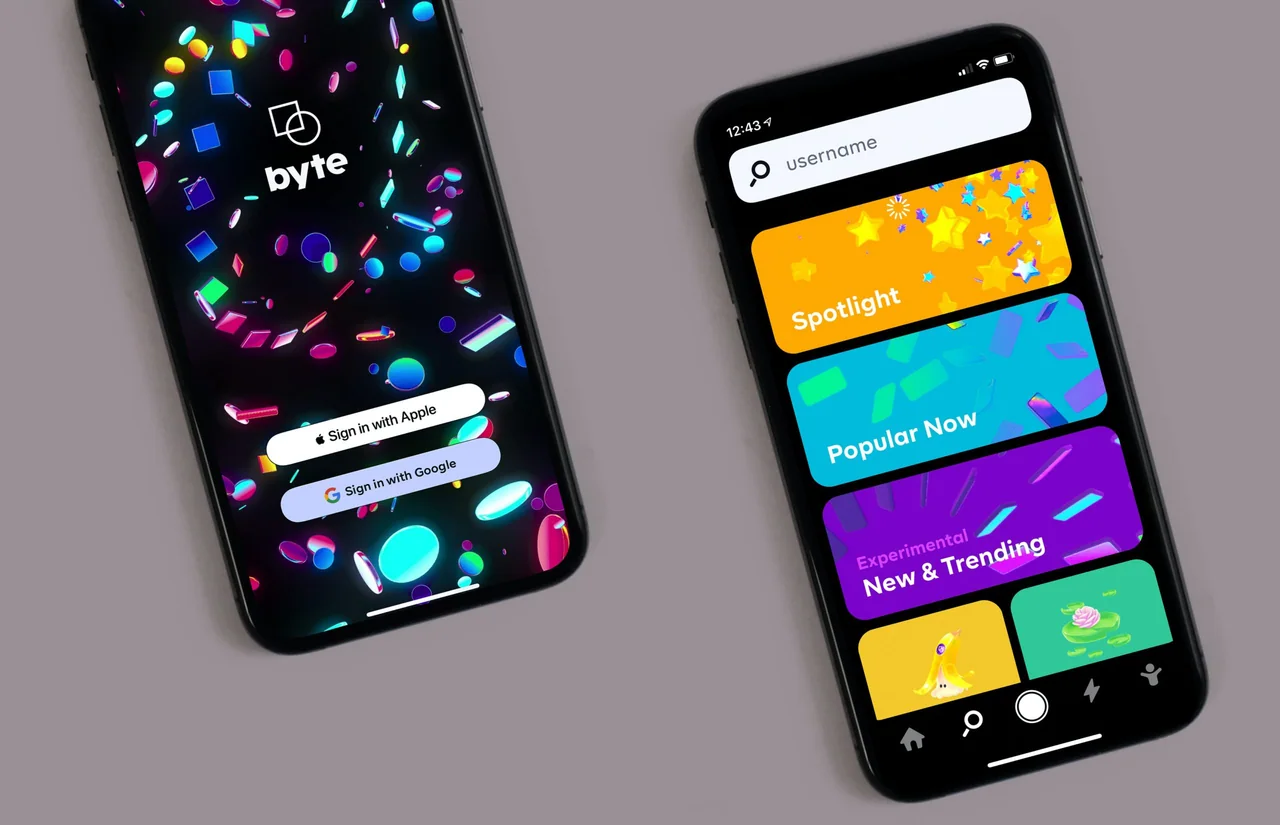
As we discussed in the ‘Pick a platform’ section, there are an awful lot of apps out there in the digital realm so how do you make yours stand out in search results? More apps are discovered through app store searches than other methods (5) and research suggests that if your app doesn’t rank in the top 10 positions for relevant keywords, the danger is it’ll never be seen. (6) The good news is there’s something you can do to boost your app’s visibility: app store optimisation (ASO).
ASO is where you optimise your app’s page on the app store with strategic keywords so it ranks higher in search results and drives more traffic to your app’s page. To get the most from ASO, you should research the keywords your target audience use the most when searching for apps similar to yours. Oh, and here’s a bonus tip: Once you know the most-used keyword, be sure to include that in the title of your app’s page.
Consider affiliate marketing
Pat Flynn, the entrepreneurial mastermind behind SmartPassiveIncome (7) describes affiliate marketing as, “the process of earning a commission by promoting other people’s (or company’s) products. You find a product you like, promote it to others and earn a piece of the profit for each sale that you make.”
In relation to launching your app, it involves:
- Identifying the key influencers who can promote your app
- Providing them with a unique trackable link to your app
- Paying them commission if users buy your app via their link
If visitors don’t make a purchase via the influencer’s link, you owe the influencer nothing. If they do, you and the influencer both get a share of the revenue, so it’s a win-win option.

Get reviews
Reviews can be the secret sauce to an app’s success. According to the Apple App Store they ‘help others decide which apps they’d like to try’ and research backs this up with 77% of people reading at least one review before downloading a free app, and 80% checking out reviews before buying a paid app. (8) So here’s our quick guide to getting more reviews:
- Ask for them: it might sound obvious but if you don’t ask, you don’t get. Oh, and don’t forget to thank them afterwards
- Ask at the right moment: prompt for a review after a user has just done something they value, using the official in-app review prompts. Never offer a reward for a review; both app stores prohibit it
- Respond to reviews: replying to reviews can increase user engagement – users often revisit their rating after a developer responds
Frequently asked questions
How do you launch a mobile app successfully?
Start with research and a clear definition of success before you build anything, so you know what you’re aiming at. Pick your platforms deliberately, usually both iOS and Android. Then market it before launch day, not after: influencers, targeted ads, app store optimisation and a plan for getting early reviews all work better when they’re ready on day one, not bolted on afterwards.
What’s a good mobile app launch strategy?
A good launch strategy covers three phases: before launch (research, KPIs, platform choice, ASO groundwork), launch week (influencer and paid campaigns switched on together, not staggered) and after launch (chasing reviews, watching which KPIs are moving, fixing what isn’t). Most launches that fizzle skipped the first phase and tried to make up for it with marketing spend in the third.
How do you grow an app after launch?
Growth after launch usually comes from the same places as the launch itself, done consistently rather than once: app store optimisation as your keywords and competitors shift, a steady flow of reviews (ask, thank, respond), and marketing partnerships such as influencers or affiliates that keep bringing new users in rather than a single burst around launch week.
How do I introduce a new app to the market?
Understand who you’re competing with and where your app actually fits before you write any marketing copy. That’s what the research stage is for. Then be specific about your audience when you approach influencers or run ads: a targeted pitch to the right handful of people beats a generic one sent to everyone. If you need the app built as well as launched, that’s the work we do at Code23.
Sources
- Digital Marketing Institute, Influencer marketing statistics
- Upland Adestra, Why personalised communication matters
- Google, Mobile app marketing insights
- Business of Apps, How ratings and reviews affect the decision to download an app
- Smart Passive Income, Affiliate marketing strategies
Next step
The steps above work whether you’re about to build your first app or you’ve already got one that isn’t landing the way it should. Research and clear goals come first. Everything after that, platform, marketing, ASO, reviews, only works if the app underneath does what it promises.
If you’re still at the idea stage, we’ll help you scope it properly before a line of code gets written. If it’s built and the launch isn’t going the way you hoped, we can look at what’s actually holding it back: the product, the platform choices, or the app store listing. We’ve delivered 350+ projects, apps included, at a fixed price agreed up front.
Tell us where you are and we’ll tell you what we’d do next.
Plan the next release
Build the next version around the result it needs to produce.
We’ll define the scope, design the journeys and build the systems behind them with one senior UK team.


