How Much Does Custom Software Cost?
Code23 UK custom software bands: Discovery from £750, SaaS MVPs from £18,000, marketplaces from £25,000, AI from £30,000. Scope and risk set the final band.
Most UK buyers asking how much custom software costs need a usable range, not a vague “it depends”. At Code23, current public starting bands (reviewed 27 August 2026) are:
- Discovery Sprint: £750 to £1,500
- Custom SaaS MVP / Web App: £18,000 to £40,000
- Custom Multi-Vendor Marketplace: £25,000 to £60,000
- Custom AI & Agentic Integration: £30,000 to £100,000+
These are Code23 starting bands, not universal market averages. Final price follows scope, risk, integrations and what you need the first release to do in production. Full public project bands live on our pricing page.
Contents
- What custom software is
- When custom software helps, and when it does not
- Current Code23 cost bands
- What drives the cost
- Pricing models and trade-offs
- How to reduce cost without cutting the wrong things
- What to give an agency for a credible estimate
- Build cost versus ongoing cost
- Frequently asked questions
What is custom software?
Custom software is built around your workflows, data and commercial rules. Off-the-shelf tools ship a fixed product with configuration limits. A bespoke system can model the way your team actually works: roles, approvals, pricing logic, inventory rules, partner onboarding or reporting that a generic product never quite fits.
That does not make custom the default answer. Many teams get further, faster, with a well-chosen SaaS product plus light integration. Custom work earns its place when the product is the business advantage, when licence fees and workarounds start to dominate, or when you need to own the roadmap.
When custom software helps, and when off-the-shelf is better
Custom software is useful when you need:
- Workflows that mirror how your staff, customers or partners actually operate
- Integrations and data models that packaged tools only half support
- A product you can extend without waiting on a vendor backlog
- Clear ownership of IP, hosting choices and release cadence
Stay with off-the-shelf when the job is standard (CRM contact tracking, basic accounting, simple marketing site CMS) and the packaged tool already covers 80% of the need at a predictable subscription. Buying software you can configure is often cheaper than building software you then have to maintain.
Code23 builds custom SaaS platforms, websites and apps, multi-vendor marketplaces and AI systems. We have operated under the Code23 brand since 2005. For a concrete product example, see the eSHP case study.
Current Code23 cost bands
Buyers often ask about a custom CRM, a customer portal or “an app like X”. The honest answer is still a band, because two CRMs can differ by roles, migrations, reporting depth and the number of systems they must talk to. Use the public Code23 bands below as a planning frame, then refine through discovery.
| Project type | Starting band | Typical timeline | What it usually covers |
|---|---|---|---|
| Discovery Sprint | £750 to £1,500 | 1 to 2 weeks | Interactive prototype, architecture, schema and a locked fixed-price build band (credited toward the build) |
| Custom SaaS MVP / Web App | £18,000 to £40,000 | 6 to 10 weeks | Auth, roles, billing hooks, dashboards, APIs, automated tests and warranty |
| Custom Multi-Vendor Marketplace | £25,000 to £60,000 | 8 to 12 weeks | Multi-party payments, onboarding, buyer flows and payouts |
| Custom AI & Agentic Integration | £30,000 to £100,000+ | 6 to 20 weeks | Retrieval, workflow agents, evaluation harnesses and operational controls |
Bands include the design and engineering needed to ship the agreed first release. They do not automatically include every third-party licence, paid API usage, multi-year support retainer, or later product expansion. Scope, risk and operational requirements decide where you land inside (or above) a band. Compare the full set on Code23 pricing.
What drives the cost of custom software
Price is mostly a function of uncertainty and surface area. The more you clarify early, the tighter a fixed price can be. The drivers below are the ones that move estimates in practice.
Uncertainty and discovery
If nobody has mapped the primary user journeys, the estimate is guessing. A short discovery sprint turns fuzzy ambition into screens, data shapes and a build band you can actually buy. Skipping discovery often looks cheaper, then reappears as change requests mid-build.
Workflows, roles and business rules
Every distinct role, approval path and exception rule adds screens, permissions and test cases. A three-role admin tool is not the same product as a marketplace with buyers, sellers and operators. Complexity is not vanity features; it is the logic that must stay correct under real use.
Integrations and payments
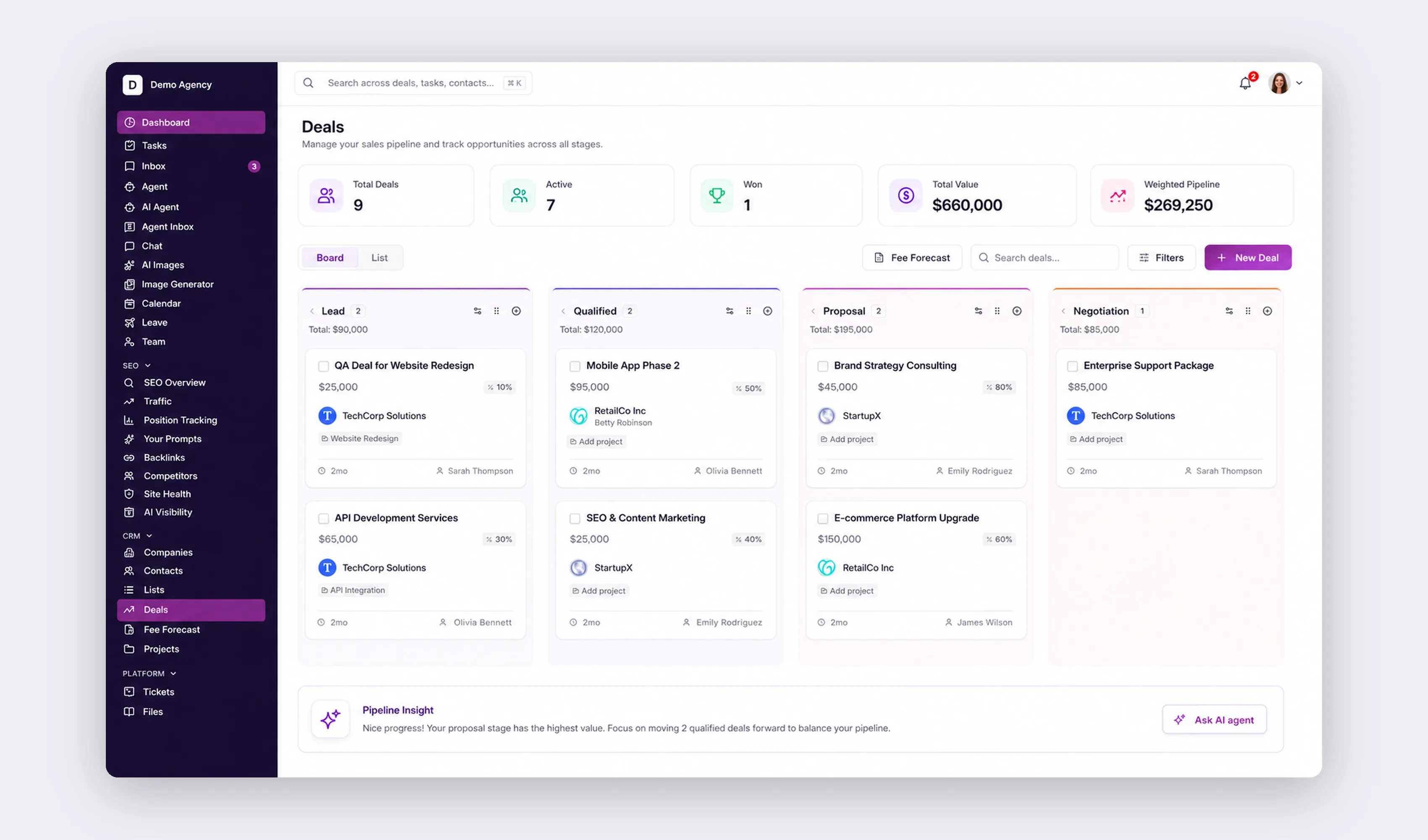
Connecting accounting, CRM, ERP, shipping or payment providers can dominate the schedule. Some APIs are clean; others need mapping work, webhooks, retry behaviour and reconciliation. Payments add compliance and edge cases. Sequence non-critical integrations after the first release when you can.
Data migration
Moving existing data into a new system is often under-scoped. Dirty records, duplicate customers, inconsistent statuses and partial history all take engineering time. Clean what you can before migration. Move only the data the new product needs for day one.
Security and compliance
Auth, audit trails, least-privilege access, encryption in transit and at rest, and evidence for customer security questionnaires all add work. Treat security as a build requirement, not a polish pass. The OWASP Application Security Verification Standard is a practical checklist for what “secure enough” can mean at different assurance levels.
Platforms and expected scale
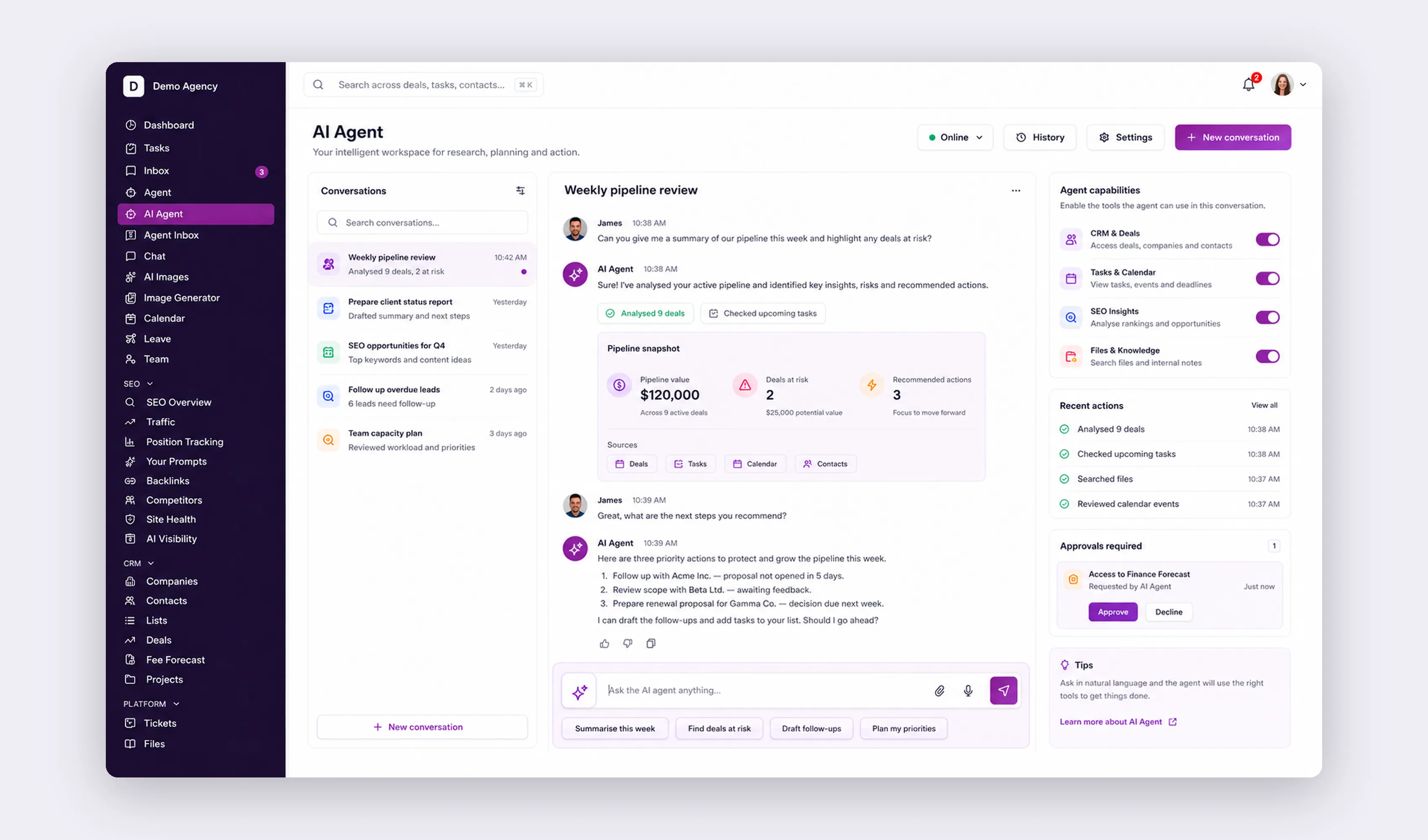
A responsive web app is usually cheaper than parallel native iOS and Android clients. User volume matters too: expected concurrency, file storage, search load and reporting all shape infrastructure choices. Build for the users you have evidence for, with a clear path to scale, rather than imagining every future channel on day one.
UX, accessibility and design depth
Clear information architecture, usable forms and accessible components protect adoption. Heavy illustration, motion systems or multi-brand theming raise cost. Accessibility is not optional decoration; WCAG 2.2 sets the shared bar for perceivable, operable, understandable and robust interfaces.
Testing, infrastructure and release quality
Automated tests, staging environments, CI/CD, monitoring and rollback plans cost money up front and save money later. Cutting them to hit a headline price is how quiet defects become expensive incidents.
Deadline pressure
A fixed launch date with unfinished decisions forces parallel work, overtime or scope cuts under stress. Soft deadlines let you sequence risk. Hard deadlines are fine when the commercial reason is real; budget for the compression.
Pricing models and trade-offs
Three commercial shapes show up most often:
- Fixed price after discovery. You pay for a short discovery, then buy a locked build price for an agreed scope. Best when the first release can be defined. Change outside that scope is re-priced, which protects both sides.
- Time and materials. Flexible when the problem is still shifting. You need strong backlog discipline and regular demos, or cost drifts without a clear product outcome.
- Dedicated product team / continuous delivery. A retained capacity model for roadmap work after launch. Useful when you will keep shipping every month; less useful if you only need one contained MVP.
No model always wins. Fixed prices reward clear scope. Time and materials reward learning speed when scope cannot settle yet. Retained teams reward continuous product ownership. Match the commercial shape to how settled the problem is.
"Code23 undertook a large redevelopment project for us, including the rollout of over 100 individually branded websites... The overarching goals of the project were to improve... Transparency Around Pricing... All of which were delivered to an excellent standard, especially the new custom quote builder, which is industry leading!"
How to reduce cost without cutting the parts that protect the product
Cost control is mostly sequencing and decision speed:
- Narrow the first release. Ship the workflow that creates value. Park secondary roles and reports.
- Validate workflows before you build them. GOV.UK’s service manual is clear that user research improves service design; even lightweight observation of real tasks beats guessing screens.
- Clean the data early. Migration cost tracks mess more than row count.
- Sequence integrations. Launch with the one or two systems that unblock revenue or operations.
- Reuse proven components. Auth, billing, email, file storage and admin patterns rarely need reinvention.
- Make decisions quickly. Waiting a week for a button label still burns calendar time. Agile delivery works when teams keep a short feedback loop; see GOV.UK’s core agile principles.
Do not “save” money by deleting testing, access control, backups or accessibility. Those cuts usually return as incidents, rebuilds or blocked enterprise deals.
What to give an agency for a credible estimate
A useful briefing pack includes:
- Who the primary users are and what success looks like in the first 90 days
- The must-have workflows for release one, written as steps rather than feature wish lists
- Systems that must integrate on day one versus later
- Rough data volumes and whether a migration is required
- Compliance or security expectations from customers or insurers
- Platform constraints (web only, or native apps too)
- A real deadline with the commercial reason attached
- Budget range you can actually approve, even if it is a band
If that pack is thin, start with discovery rather than forcing a fake fixed price. Vague briefs produce either padded quotes or optimistic quotes that break mid-project.
Build cost versus ongoing cost
The build invoice is only part of the total. Plan for:
- Hosting and environments: production, staging, backups and CDN
- Third-party tools: payments, email, SMS, search, analytics, error tracking
- Monitoring and security maintenance: dependency updates, uptime checks, incident response
- Support and iteration: bug fixes after warranty, small improvements, seasonal changes
Ongoing cost should match how actively the product will change. A stable internal tool needs less continuous delivery than a marketplace competing every week. Code23 publishes current care and growth options on the pricing page; treat those as living figures rather than copying old package prices from archived blog posts.
Frequently asked questions
How much does it cost to develop custom software?
At Code23, planning bands start at £750 to £1,500 for discovery and £18,000 to £40,000 for a custom SaaS MVP or web app, with marketplaces and AI builds higher. Exact cost follows scope. See current pricing.
How much does custom software development cost in 2026?
Use current public bands, not archived 2020 figures or third-party dollar averages. Code23’s bands above were reviewed on 27 August 2026 and remain starting ranges, not market averages.
How much does it cost to develop a custom app?
A focused web app MVP often lands in the £18,000 to £40,000 band at Code23. Native mobile clients, heavy offline behaviour or multi-sided marketplaces push the band up. Start with the platform your users already live on.
How much does software development cost?
“Software development” covers everything from a brochure site to a regulated platform. Ask for a band against a named first release, then fund discovery if the release is still fuzzy.
How do I estimate the cost of software development?
List users, release-one workflows, integrations, data migration and deadline pressure. Map that to a published band, then run a short discovery to lock a fixed build price. Estimates without those inputs are guesswork.
Is a fixed price or time and materials better for custom software?
Fixed price after discovery works well when you can define the first release properly, since you're buying a locked scope and the agency carries the estimating risk. Time and materials suits a problem that's still shifting, where you need room to learn as you build. A project can start with a short Discovery Sprint, then lock a fixed price for the build itself.
What do you actually get from a Discovery Sprint?
An interactive prototype, the data model behind it, and a fixed build price for an agreed first release, all in one to two weeks. It turns a fuzzy brief into screens you can react to and a number you can budget against, and the cost is credited in full against the build if you go ahead.
Why do software quotes vary so much between agencies?
Mostly because agencies are pricing different things. Some quote against a proper briefing pack, others guess against a one-line description. A quote built on discovery, real workflows and named integrations looks more expensive than a guess, but is more likely to remain credible during the build. Ask what's included before you compare numbers.
References
- GOV.UK Service Manual: How user research improves service design
- GOV.UK Service Manual: Core principles of agile
- OWASP: Application Security Verification Standard
- W3C: Web Content Accessibility Guidelines (WCAG) 2.2
Next step
If you already know the problem and the first release, bring your briefing pack and we’ll place you in a realistic band, then lock a fixed price once we’ve scoped it properly. If the problem’s still fuzzy, start with a Discovery Sprint. It’s credited in full against the build if you go ahead.
We’re behind 350+ projects delivered since 2005, from three-role admin tools to full AI platforms. Those projects have given us extensive experience of turning an initial budget question into a scoped price.
For help shaping journeys before you buy a build, see product design and discovery. Current bands live on our pricing page.
Plan the next release
Build the next version around the result it needs to produce.
We’ll define the scope, design the journeys and build the systems behind them with one senior UK team.