A guide to charitable donations for marketplaces
As a marketplace founder, you’re always looking for ways to set your marketplace platform apart from the rest. One innovative approach that is making waves is the integration of charitable donations into the marketplace experience. Today, we’ll explore how this strategy can not only uplift your
As a marketplace founder, you’re always looking for ways to set your marketplace platform apart from the rest. One innovative approach that is making waves is the integration of charitable donations into the marketplace experience. Today, we’ll explore how this strategy can not only uplift your brand but also create a more meaningful experience for both buyers and sellers on your platform.
The power of giving: Why consider charitable donations?
Charitable donations have long been a cornerstone of society, highlighting our collective commitment to causes larger than ourselves. Integrating this social responsibility into your marketplace can add an ethical dimension to transactions, building trust and fostering a community of loyal users.
What is a charitable marketplace?
In simple terms, a charitable marketplace is a platform with a heart. It goes beyond the simple exchange of goods and services by enabling participants to contribute to causes they care about. By adding this layer of philanthropy, your platform becomes more than just a marketplace; it turns into a hub for social impact.
"Code23 totally redesigned and rebuilt my online marketplace (WowThankYou) nearly 3 years ago, and have continued to support the site, and us, ever since. When things go wrong, they are quick to sort it. When we have questions, they go out of their way to answer us... Without James and his team I couldn't guarantee we'd still be trading!"
Advantages of a charitable marketplace
Enhanced brand image
Consumers increasingly favour brands that support causes they care about. Incorporating a charitable element into your platform can help build that kind of loyal, ethical customer base.
Community building
When users realise that their activities contribute to a greater good, they are more likely to stay engaged. This boosts community interaction, leading to higher user retention rates.
Increased user engagement
Allowing your users to donate creates more than just goodwill; it also generates social media buzz, testimonials, and word-of-mouth recommendations. In short, it drives engagement and attracts new users to your platform.
Trust factor
Building trust is paramount to success. Transparently supporting charitable causes not only humanizes your brand but also fosters a sense of trust among users.
How to implement charitable donations
Partner with reputable charities
Choose charities that resonate with your brand’s values and are widely recognised for their work. This assures your users that their donations are being put to good use.
Create an intuitive donation experience
The donation interface should be intuitive and integrated cleanly into the transaction process, whether at checkout or via the user’s profile.
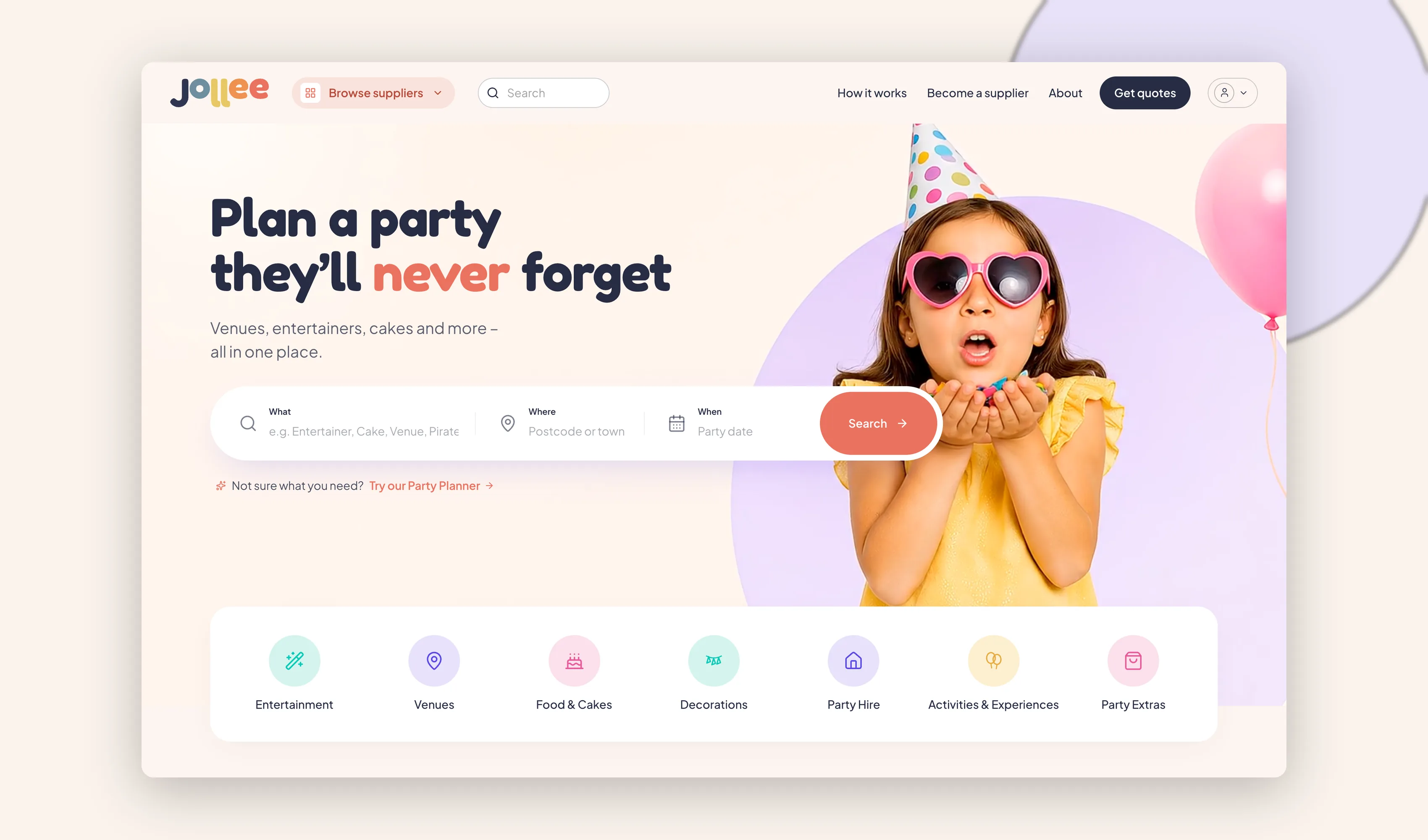
Transparency is key
Clearly state the percentage of proceeds that go towards charitable causes. This fosters trust and sets user expectations from the get-go.
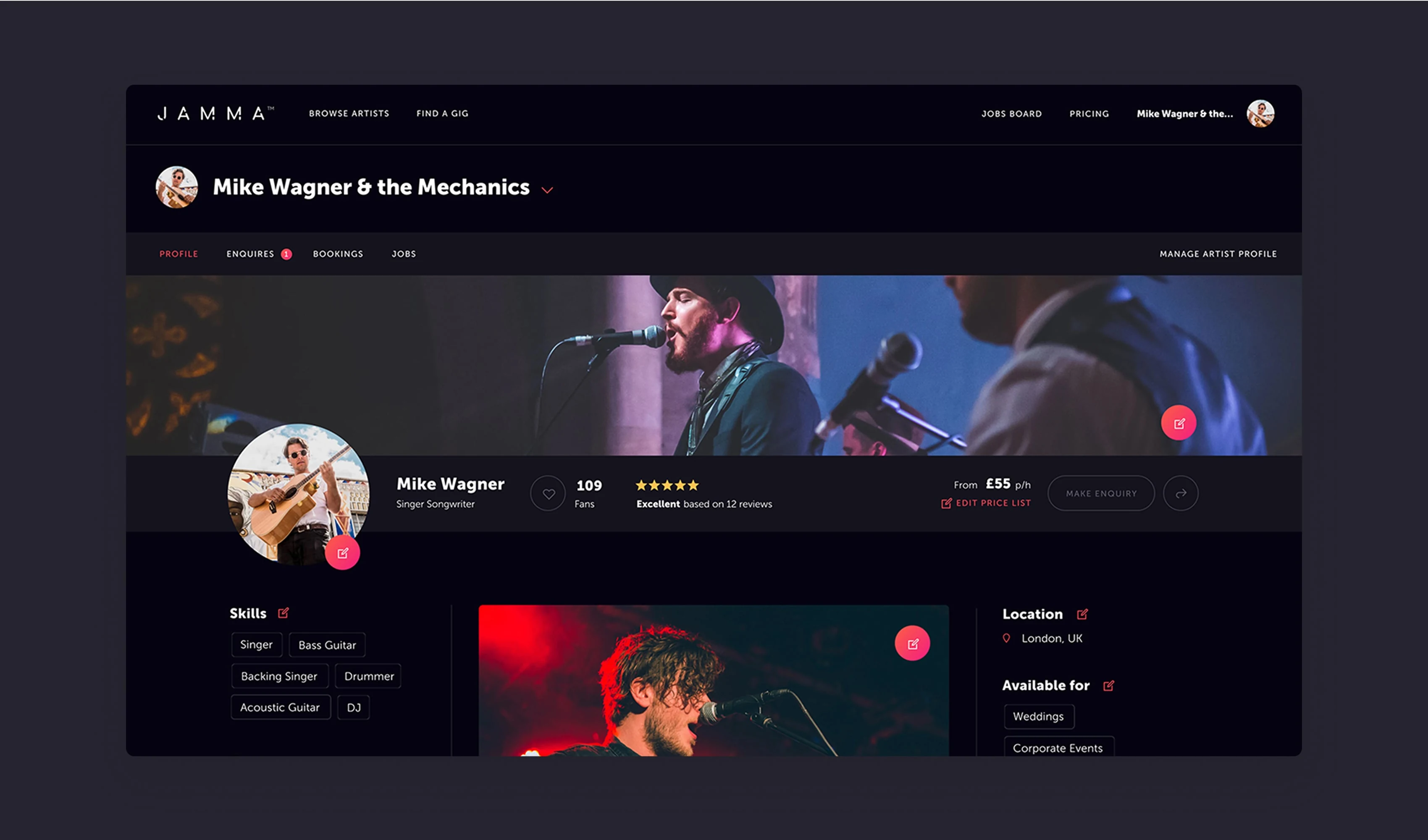
Legal considerations
Before rolling out your charitable initiative, consult legal experts to ensure that your operations are in line with UK laws and regulations, including any potential tax implications for you and your users.
Case studies
Etsy
Known for handcrafted goods, Etsy allows sellers to dedicate a portion of their sales to charitable causes. This has been a hit among vendors looking to make a positive impact.
eBay for charity
In a more elaborate model, eBay for charity facilitates donations from both sellers and buyers, with options to add charitable contributions at checkout.
Conclusion
Incorporating charitable donations isn’t just a passing fad; it’s a strategic decision that has wide-ranging positive impacts. It can transform your platform from a simple marketplace to a community-oriented hub that stands for more than just commerce.
Through philanthropy, you can engage your users on a deeper level, build long-lasting trust, and set your platform apart from competitors. In the grand scheme, you’re not just making transactions. You’re making a difference.
Frequently asked questions
Does a marketplace donation feature qualify for Gift Aid?
Gift Aid can add 25p per £1 when eligibility and declaration requirements are met. The charity is responsible for the claim, although it can authorise an agent or nominee to submit it. Get legal and tax advice for the platform flow. HMRC confirms authorised agents and nominees may submit claims in Charities Online guidance.
Should a donation be added at checkout or on the seller’s profile?
Either placement can be viable, and they do different jobs. Checkout catches buyers who’ve already decided to spend money and can be presented after the purchase decision. A seller or listing-level option lets individual sellers choose their own cause, which suits marketplaces where sellers are the ones with the following, not the platform.
Can sellers choose their own charity on a marketplace?
A platform can let sellers choose charities, but that increases administration: vetting each charity, tracking who chose what, and reporting on it accurately. A platform-wide charity is simpler to run. A seller’s choice may feel more relevant, but should be tested with their own buyers. Worth deciding which trade-off suits your marketplace before you build either.
Next step
Adding a donation option to your marketplace touches checkout, seller payouts, admin and reporting, not just a button. If you want it done properly, our free Marketplace Growth Review is a 30-minute call to work out where it fits and what it actually needs.
If you’re ready to move from idea to build, the Marketplace Growth Plan maps the whole thing out, including the parts your sellers and finance team will use day to day. We’ve built 50+ marketplaces over 15+ years, and we’ll help identify the evidence needed to decide whether a donation feature is worth building before you spend anything on it.
Build the marketplace
Start with the workflows that make the model work.
We’ll map buyers, sellers, payments and operations before the build, backed by experience from more than 50 marketplace projects.


