Which Online Payment Gateway is Best for Your Business?
Compare Stripe, PayPal, Apple Pay, Amazon Pay, Braintree and escrow options for UK ecommerce and marketplace payments, including fees, checkout control and payout needs.
Which online payment gateway is best for your business? There's no single answer, it depends on how much of the checkout you want to control. For most small and growing ecommerce sites, Stripe or PayPal cover it: low setup effort, trusted by shoppers, and priced per transaction rather than a monthly fee. If you're running a marketplace or platform that splits money between several sellers, you'll usually need more: split payments, payouts and sometimes escrow, which is where something like Stripe Connect comes in. Code23 has built the payment side of ecommerce stores and marketplaces for years, so this guide walks through what a payment gateway actually does, the three ways it can sit on your site, and what the main providers are good for today.
Contents
- What is a payment gateway?
- Payment gateway vs payment processor
- Types of payment gateways
- Payment gateway providers
- International payment gateways
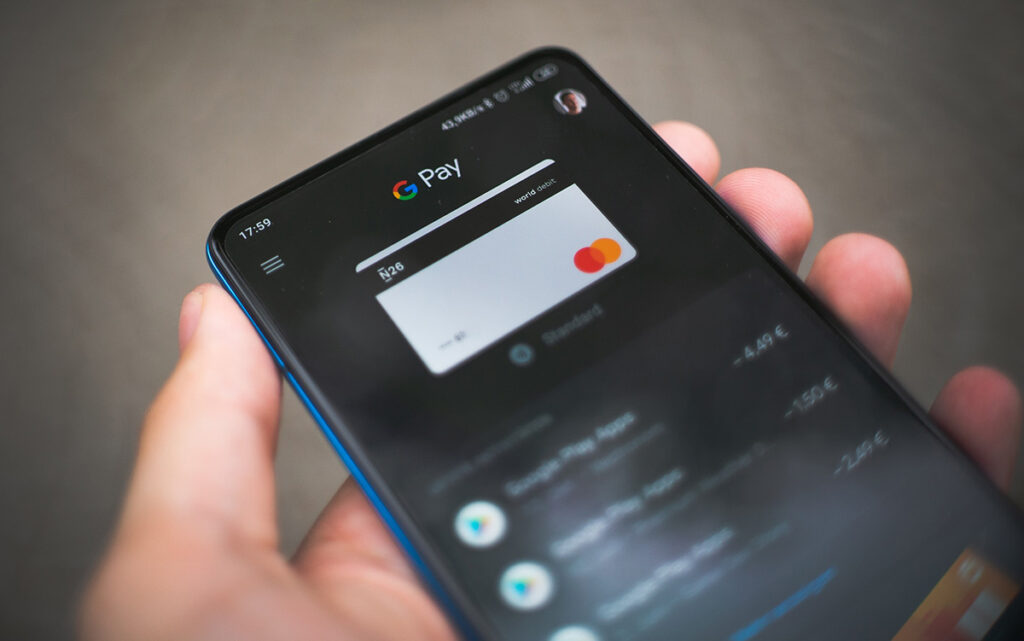
Is your online business ready to start selling? Most customers still expect to pay by credit or debit card, so you need an effective, secure, and simple-to-manage payments solution. A suitable payment gateway can reduce fraud risk and give customers familiar security controls, but it doesn't prevent fraud or remove your responsibilities as a merchant.
Cart abandonment affects many ecommerce businesses, and checkout design can influence conversion.
What is a payment gateway?
A payment gateway securely captures and transmits payment details between a checkout and the relevant provider or acquirer. It's essentially software that connects your eCommerce website with your customer’s choice of payment. Modern payment service providers often bundle gateway and processing functions.
To ensure the process is secure and user-friendly, most eCommerce payment gateways use the following process:
- Encryption: sensitive payment data is encrypted in transit and handled according to the integration’s security scope.
- Authorisation request: the provider sends the request through the payment network to the issuer, which approves or declines it.
- Capture and settlement: after authorisation, the merchant captures the payment and the provider settles funds under its terms.
Payment gateway vs payment processor
You may have come across the terms ‘payment gateway’ and ‘payment processor’, sometimes used interchangeably.
Broadly, processing carries authorisation and settlement messages among the merchant, acquirer, card network and issuer, so check the provider's actual scope rather than relying on the label.
"Having turned to Code23 after a bad experience with another web designer, I can confidently say that the service James, Joe and their team provided is exceptional. They are incredibly receptive, professional and patient. They listened to my "vision" and together with their knowledge and experience delivered an e-commerce website which is perfect, even better than I though it could ever be."
Types of payment gateways
Redirects
As the name suggests, redirect payment gateways give customers the option of completing their purchase by being redirected to a secure payment page such as the PayPal payment gateway.
This is a simpler, popular option for many small to medium-sized businesses. It adds another step to the buying process, but a hosted payment page still requires integration to create and reconcile payments; it can keep raw card data away from your server and reduce PCI DSS scope, and the buyer benefits from the security and ease-of-use of the redirect payment gateway.
On-site checkout
In this option, the buyer will begin the front-end checkout process on your website before proceeding to a back end online payment system to complete payment. To ensure the connection between your site and the payment gateway is secure, we recommend using TLS (Transport Layer Security) rather than the older SSL protocol, which PCI DSS no longer accepts for card payments.
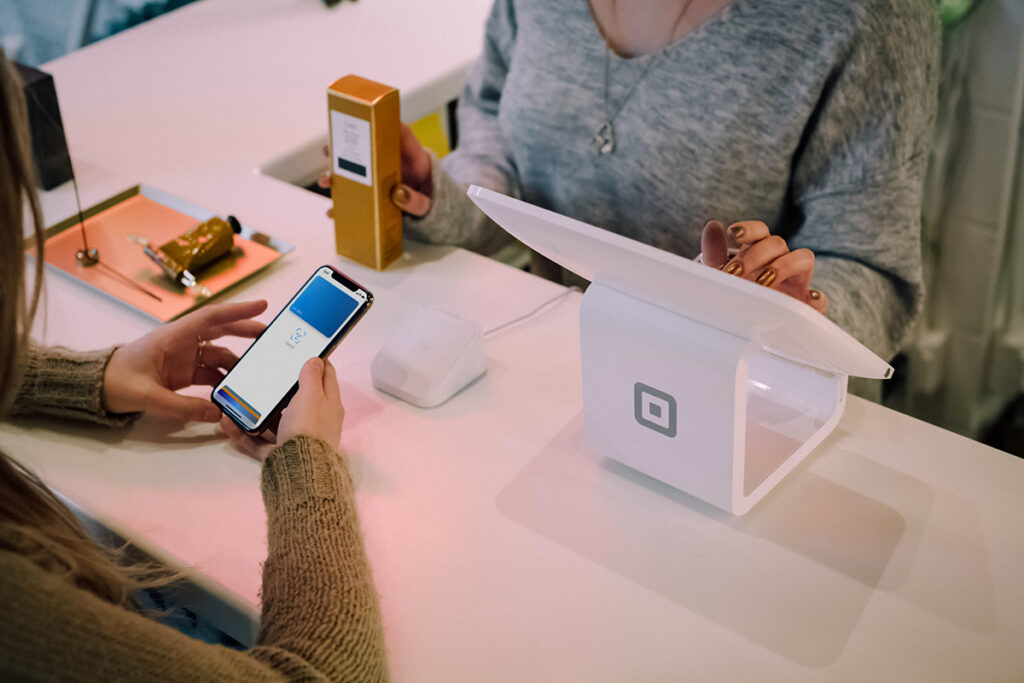
This is an easy and quick option for handling payments although it does take the payment process out of your hands, which is why you should only connect with a trusted payment gateway, such as Stripe. An on-page checkout can use hosted fields or provider components; PCI scope depends on how payment data is handled, not simply where the page appears.
On-site payments
This online payment option is often chosen by larger businesses that want more control over the checkout experience. It still needs integration work to create and reconcile payments, and the level of PCI DSS responsibility depends on how payment data is handled, not simply on hosting your own checkout.
Now we know what payment gateways are, let’s have a look at some of the most popular options on the market.

Online payment gateway providers
PayPal
PayPal remains a widely recognised payment service. Its standard UK commercial-transaction rate is 2.9% + 30p, with an additional 1.29% for EEA and 1.99% for other cross-border payments.
As well as integrating with both mobile and eCommerce CMS such as WooCommerce and Magento, PayPal offers fraud protection security and is transparent about its fees.
Stripe
By offering its payment gateways in a variety of APIs, it’s possible to customise the look and feel of Stripe’s on-site checkout so it integrates with the design and branding of your eCommerce site.
Able to cope with a large volume of transactions, the payment gateway can be integrated into shopping carts, analytics tools, marketplaces, and more. Stripe supports 100+ payment methods through its platform, subject to country, currency and business eligibility; standard UK cards cost 1.5% + 20p with no monthly or setup fee.
Apple Pay
Apple Pay is a digital wallet supported by major ecommerce platforms and payment providers.
On supported Apple devices, customers can authorise with Face ID, Touch ID or a device passcode; availability depends on device, browser, region and integration.
Amazon Pay
Amazon Pay lets eligible customers use delivery and payment information stored in their Amazon account on a merchant's checkout; the exact sign-in and page flow depends on the integration.
Amazon Pay lists UK integrations for WooCommerce, PrestaShop, Adobe Commerce, BigCommerce and OpenCart. These can reduce custom-development work, but merchant registration, configuration and testing are still required.
Braintree
Owned by PayPal, who acquired it in 2013 for $800 million (in cash), Braintree still operates as its own product, now positioned as PayPal's enterprise payments platform.
With some programming know-how, Braintree is highly customisable and, according to PayPal's website, is positioned as the platform that gives businesses access to ‘PayPal, Venmo, credit and debit cards, plus the most relevant wallets and local payment methods in a single integration.’
Braintree supports custom integrations combining cards, PayPal and eligible local methods; suitability depends on region, required methods and implementation. For tailored payment work, see our custom software solutions.
ShieldPay
ShieldPay has moved away from general ecommerce and multivendor marketplace checkout, and now focuses on FCA-regulated escrow for law firms: M&A deals, litigation settlements and property transactions. Shieldpay illustrates regulated escrow: a neutral third party holds funds and releases them when agreed contractual conditions are met.
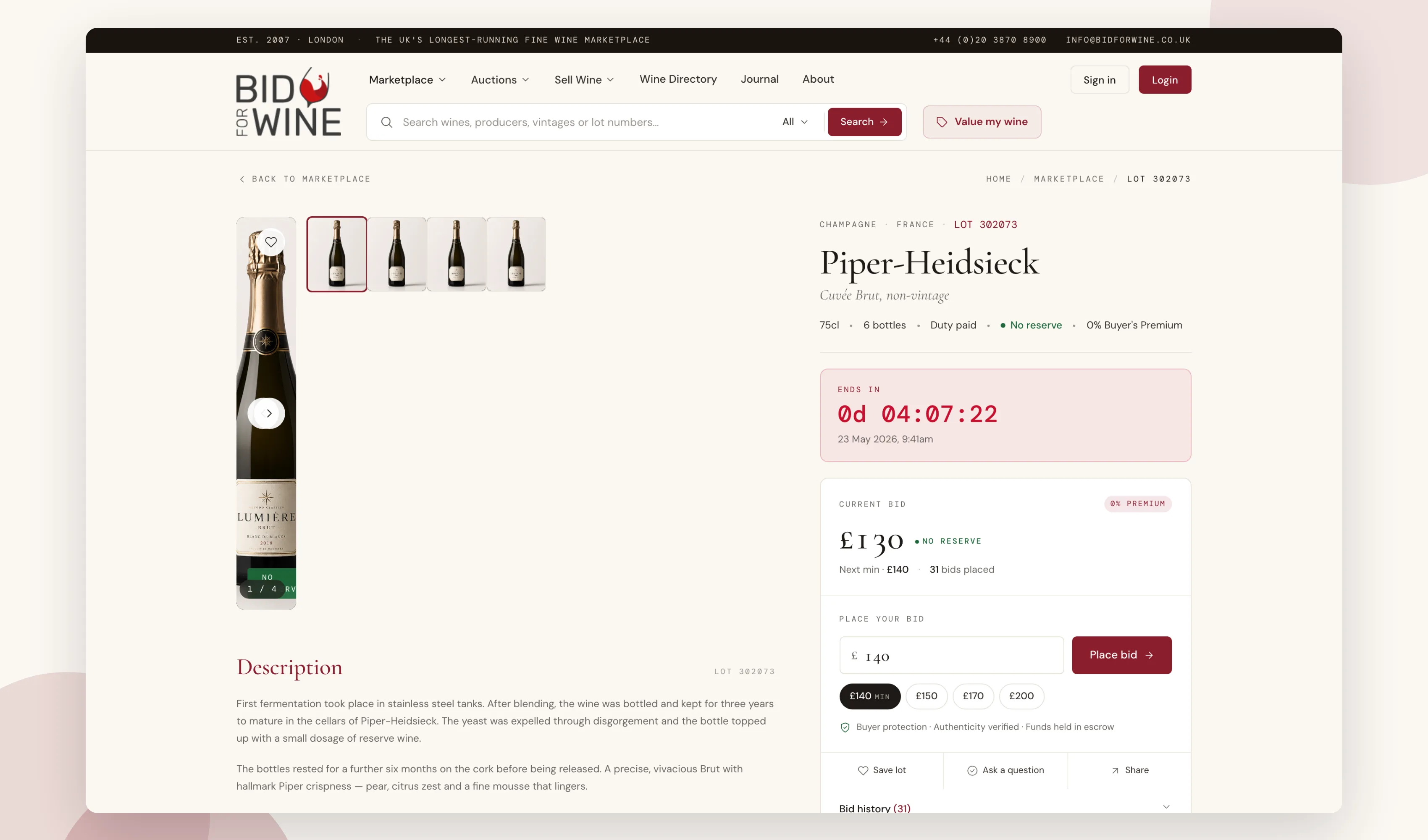
If a marketplace needs commissions and seller payouts, use a platform-payments provider; if it needs regulated escrow, select a suitably authorised escrow provider. Ryft offers an escrow product (Bid for Wine, a marketplace we're rebuilding, uses it), while Stripe Connect can delay payouts but does not thereby provide regulated escrow.

International payment gateways
If you expect international payments, check whether your provider supports the relevant merchant country, customer country, currency and payment method.
The good news is there are many options available, some better suited to particular regions than others. For that reason, once you know the countries you’re most likely to be authorising payments with, confirm the provider’s supported countries, settlement currencies and local payment methods before integrating.

Frequently asked questions
Which payment gateway has the lowest fees for a small UK business?
Stripe’s standard UK card rate is 1.5% + 20p and PayPal’s standard commercial-transaction rate is 2.9% + 30p, but the cheapest option depends on payment method, card mix, volume, cross-border sales, disputes and negotiated pricing. Redirect versus on-page checkout doesn’t itself determine the transaction fee. If you’re not sure which shape fits your site, we can walk through it with you.
Can I offer more than one payment gateway at checkout?
Yes, but distinguish gateways from payment methods. You can use one provider for cards and add supported methods such as PayPal, Apple Pay or Google Pay; use multiple providers only when coverage, resilience or commercial terms justify the extra integration and testing.
Is a payment gateway the same thing as escrow?
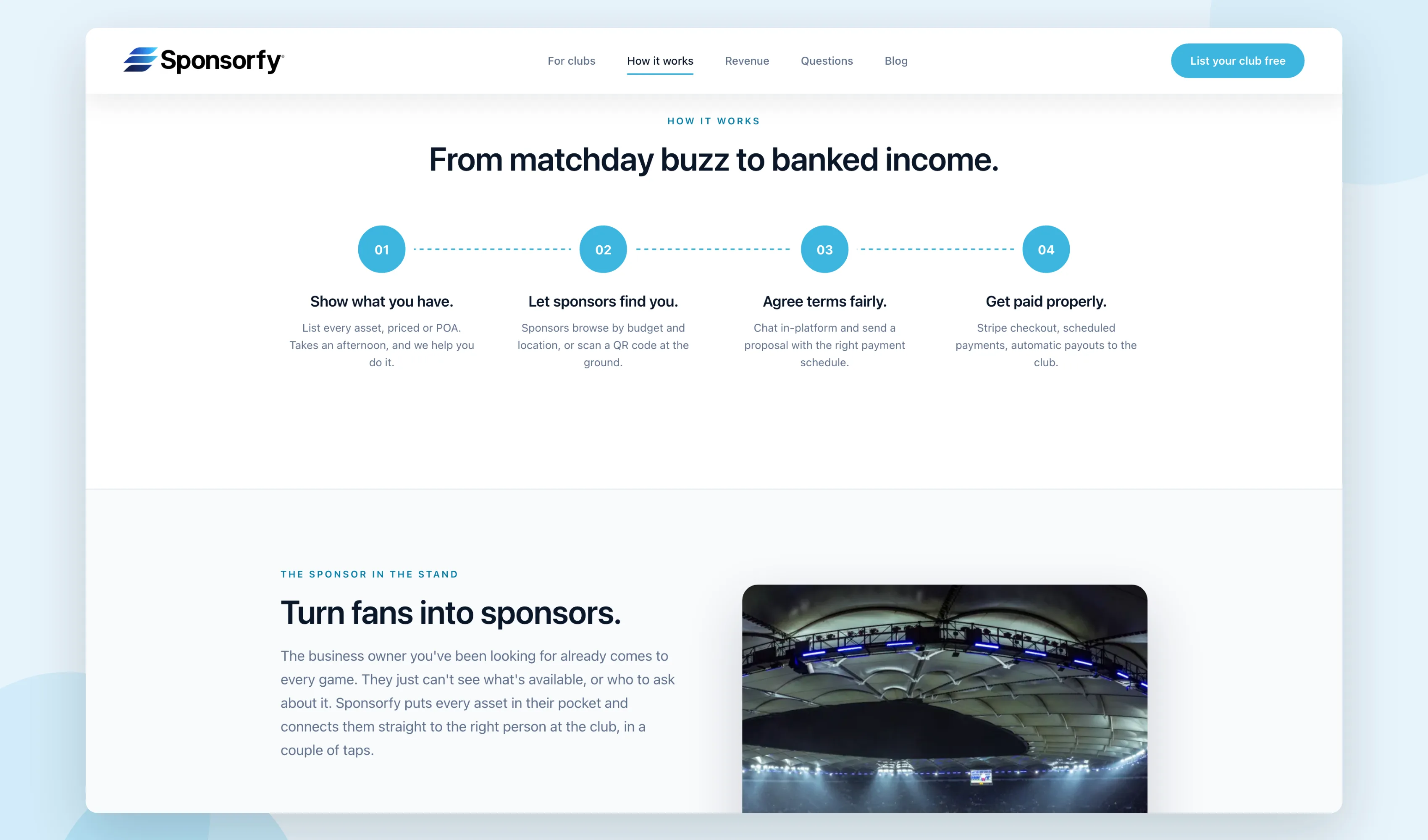
No. A gateway transmits payment details for authorisation, while a payment service provider may also process and settle funds under its terms. Escrow holds funds until agreed conditions are met, which matters more for marketplaces, auctions and high-value private sales. We’ve built direct Stripe payments for Sponsorfy and are building Ryft escrow payments into the Bid for Wine auction rebuild.
References
- https://stripe.com/gb/pricing
- https://www.paypal.com/uk/business/paypal-business-fees
- https://www.shieldpay.com/
- https://pay.amazon.co.uk/integration
- https://developer.paypal.com/braintree/articles/get-started/payment-methods
Next step
The right payment gateway depends on how much of the checkout you want to own, and how much risk and design control you’re happy to hand to someone else. Most small and growing ecommerce sites do fine on a redirect or on-site checkout gateway like Stripe or PayPal. Marketplaces and platforms that split money between sellers usually need more: split payments, payouts and sometimes escrow.
If you’re not sure which shape fits, or you want a developer who’s wired up Stripe, PayPal and escrow inside a live platform, get in touch. We’re specialists in websites and apps and marketplace development, with 350+ projects since 2005, including payments for several UK marketplaces.
Build the marketplace
Start with the workflows that make the model work.
We’ll map buyers, sellers, payments and operations before the build, backed by experience from more than 50 marketplace projects.


