User Personas in UX Design
User personas turn research into evidence-based audience profiles. Learn what they include, how UX teams create them and when they improve product decisions.
What is a user persona in UX design? It’s a short, evidence based profile of one type of real user, built from research rather than guesswork, that a team can point to when a design decision needs settling. At Code23 we build them the way Alan Cooper first described them in the 1980s: interview real users, look for the patterns and turn them into three or four sharp profiles the whole team can agree on, not a stock photo with a made-up name.
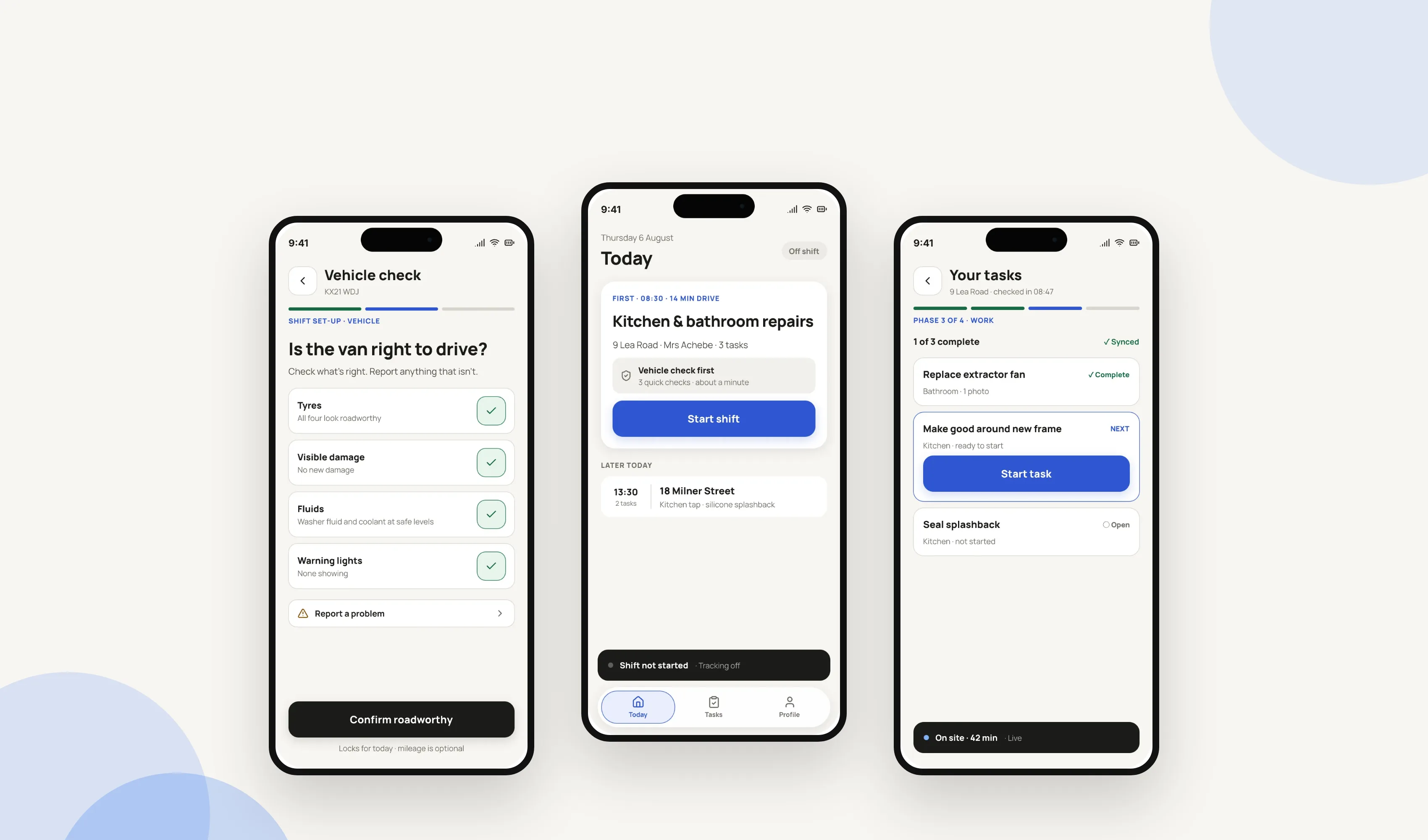
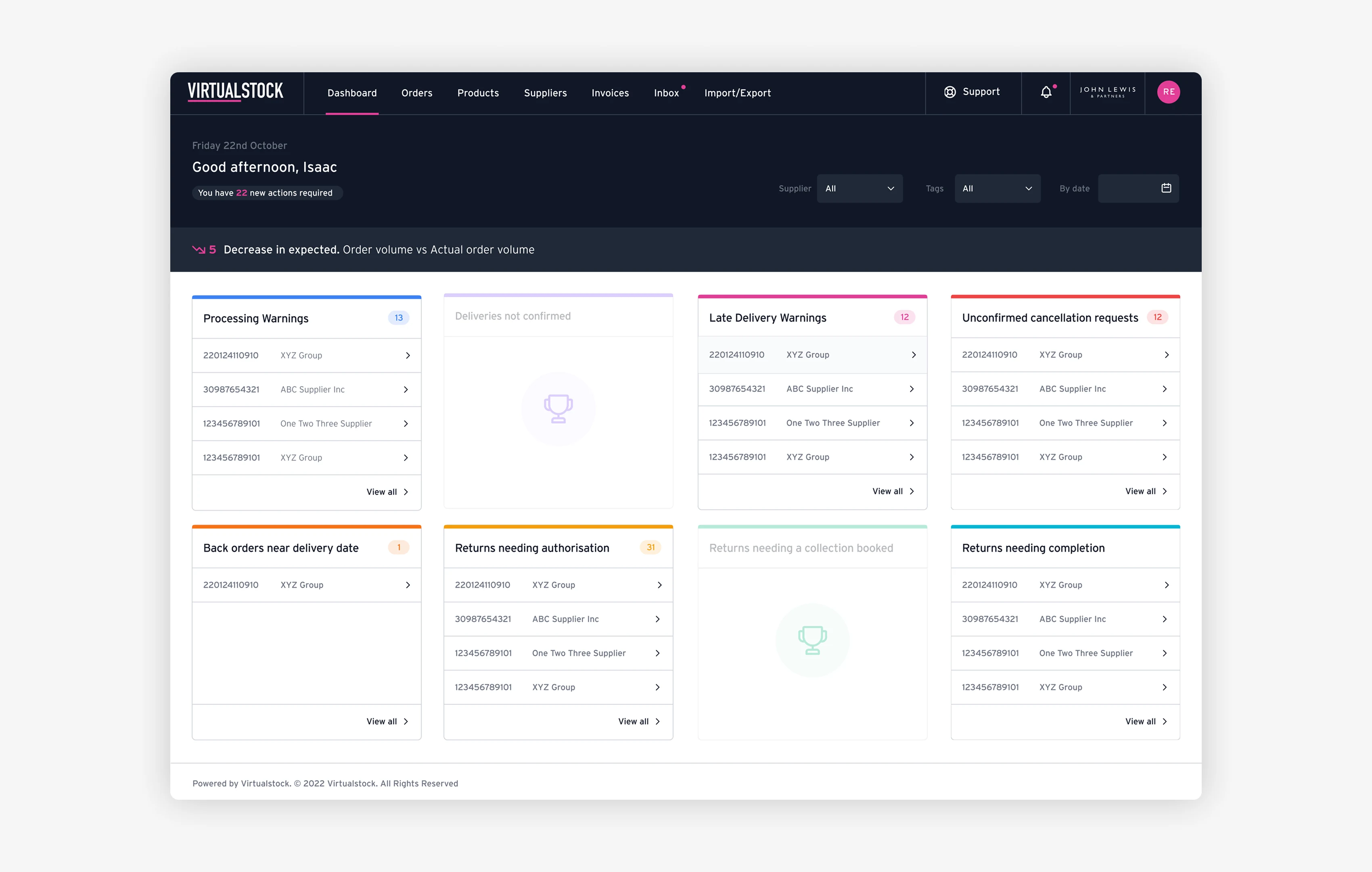
Good personas earn their keep before the first wireframe. On the Virtualstock platform redesign we interviewed retail teams, including staff at John Lewis, before touching a screen, and what came out of those conversations decided what the new dashboard actually showed. On Operative Intelligence we sat with the tradespeople using the app on site and designed around how they actually work, not a generic form. That’s what a persona is for: it stops a product being built for whoever is in the room.
Contents
- What is a user persona?
- Why are user personas used in UX design?
- How to create a user persona
- Define your research questions
- Study your existing users
- Speak to staff and stakeholders
- Look at your competitors
What is a user persona?
A user persona is basically a fictional description of your average target user. Although the persona summarises the information into a realistic description of a single user, that persona represents a large group of users. Typically, a user persona will include the following details:
- Persona name: This is a fictional name, of course, but makes it easier for you to distinguish between different user personas
- Photo: This is usually a stock image of a person who best embodies the physical characteristics of your typical users
- Description: This is essentially a mini-biography, detailing their gender, age, marital status, job title, where they live, etc.
- Personality: Think of this as their profile on a dating website: an overview of the characteristics that makes them, them
- Behaviours: This is a summary of the way in which the user behaves, such as if they are a logical or emotional decision-maker
- Problems: This is a summary of the issues the user wants solving (using your product/services), also known as ‘pain points’
The concept of user personas was first introduced by pioneer software developer Alan Cooper in 1983. Using data from informal interviews, Cooper created specific summaries of the key attributes of different groups of users, which he used to persuade members of his team during the design process. Cooper later described personas as “our secret interaction design weapon.”1

Why are user personas used in UX design?
When you’re creating a website, it’s important to keep your target audience in mind throughout the process, so decisions can be made to meet their behaviours and needs.
User personas give you a clear picture of who your users are and how they behave. In other words, you can make UX design choices based on user data rather than gut instinct or personal choice.
The benefits of including user personas in the UX design process include:
- Empathy: Creating user personas gives you an eye-opening perspective of your typical users’ needs. This helps you identify with them and shape the best UX experience for their needs
- Unity: Having a defined set of user personas gives everyone involved with the UX design a shared understanding. This can make it easier for teams to agree on the best design decisions
- Focus: As well as benefitting the UX design process, user personas give everyone involved (from stakeholders to copywriters) a clear focus for their decision-making, based on real-world data
How to create a User Persona
The secret to user personas is research. As a general rule, the better the research, the better the user persona.
Early in his research into personas, Alan Cooper realised that interviewing target end users was key as, ”Even though the variation between the users was dramatic, a clear pattern emerged after just a few interviews. The users fell into three distinct groups, clearly differentiated by their goals, tasks, and skill levels.’1
Depending on your time and budget restrictions, there are a few options available to help you collect the data you need to create realistic portraits of fictional end users.
You may be wondering how many user personas to aim for. We recommend that you focus on the needs of your main target audience, and create no more than three or four personas that broadly represent your most important users.
Below, we’ve listed some of the most effective methods of gathering data. Whichever options you choose to discover more about your target users, don’t forget Cooper’s advice and look for any clear patterns that emerge as the data overlaps.

Define your research questions
You can’t create user personas without user data. That’s why it’s worth spending the time coming up with the key questions that will help you discover the answers to the questions most important to your business.
Whether you’re collecting the data face-to-face or via a questionnaire, keeping the questions open-ended allows your users to speak freely and without restrictions.
Typical questions will enquire about the user’s demographics – such as ‘How would you describe yourself?’ – and look to discover the primary reason why they’re using your website and if there are any barriers that are stopping them from achieving what they want to achieve on your site.
"Code 23 are consummate professionals and I could not be more thrilled with the website they designed for me! With the minimum of fuss, maximum care, they guided me through the process and accommodated every one of my requests…"
Study your existing users
If you have existing users or customers, conducting in-depth interviews or questionnaires will help to define their motivations and behaviours.
Where possible, speak to a variety of real users and collect as much information as possible to help you create personas that truly reflect the realities of your target audience. If the interviews are face-to-face, observing what the users do can be just as important as what they say.
Speak to staff and stakeholders
If you’re not able to interview existing users, you can still create personas based on your team’s knowledge of their previous interactions with your website, using web analytics and customer support records.
Although the user personas won’t be as effective as from face-to-face data, they will help guide the UX design process.
Typically, your sales, customer support, and help desk teams will be your first point of call as they are the people who’ve interacted with your end users the most.
Their feedback will help you understand the trends that need addressing and the types of user you’re most likely to encounter.
It’s important not to forget that your UX design should also align with your wider business goals. Speaking to key stakeholders within your company will help ensure the project stays on track with business needs, as well as user needs.

Look at your competitors
Your research shouldn’t be restricted to your own company and existing users. Competitor analysis can also help you identify user trends.
Look at your competitor’s social media and online reviews to glean what users are engaging with or complaining about. Spotting the areas in which your competitors are failing to meet customer expectations gives you an opportunity to stay one step ahead by addressing those issues in your UX design process.
Frequently asked questions
What is a user persona example?
A short profile of one real type of user: a name, their role, what they’re trying to do and what gets in the way. For a marketplace, that might be ‘a first-time seller who needs to list a product in under five minutes.’ The detail matters less than the accuracy, so it’s built from real interviews or support data, not a guess with a stock photo attached.
What’s the difference between a user profile and a user persona?
A user profile is raw data: age, location, device, what they bought. A persona goes further and turns several real users into one representative person, with goals, frustrations and context a team can actually design around. Profiles describe who your users are. Personas explain why they behave the way they do.
How many user personas do you actually need?
Most projects need three or four, covering your most important user types, not every possible visitor. Alan Cooper, who coined the term, found that a handful of interviews usually reveals three or four distinct groups by goal and skill level. Add more than that and the team stops using them.
Do user personas actually improve UX decisions?
Only when they’re built from real research and the team actually uses them to settle arguments. A persona built on assumptions just adds a fictional name to a guess. We build ours from interviews, analytics and support data, then use them to decide what a screen shows first, not just to decorate a slide deck.
Sources
(1) https://onezero.medium.com/in-1983-i-created-secret-weapons-for-interactive-design-d154eb8cfd58
Next step
If you’re about to design a product, app or website and you can’t say who it’s actually for, that’s the first thing to fix, before a single screen gets drawn.
We build personas as part of our product design work: real interviews, real analytics, real conversations with the people who deal with your customers every day, then a design that fits what we find rather than a guess.
We’ve been designing digital products since 2005, across 350+ projects, and personas are where the good ones start.
Design the product
Make the product easier to use before you build it.
We’ll turn the key journeys into a testable prototype, remove friction and give the build team a clear product direction.


