How Do I Successfully Communicate My Value Proposition?
How to write and test a clear marketplace value proposition for buyers and sellers, with practical examples from marketplaces Code23 has built.
How do you successfully communicate your value proposition? Say what your marketplace does for one person, in one sentence, before anything else on the page. Code23 builds marketplaces for a living, and on every one, the first screen works hardest at answering what’s in it for me, because a visitor who has to work it out often just leaves.
A marketplace has to say this twice, because it's selling to two different audiences at once. Customers need to see what they get and why they can trust you with their money. Sellers, suppliers or vendors need a separate reason to bring their stock, time or reputation to your platform instead of somewhere else. One vague strapline rarely does both jobs.
Which side comes first depends on where you are. Brand new marketplaces usually need supply lined up before there's anything for a customer to buy, so seller messaging comes first. Once you're live, customer messaging often has to work hardest, but use your own traffic and conversion data to decide which side needs attention.

What is a value proposition?
So what is a value proposition? A value proposition is a clear statement of the benefit a customer or seller gets, the problem it solves and why this offer is a better fit than the alternatives. Communicating the value proposition ultimately demonstrates why a person should use their platform, buy their product or services or engage with them.
"…did an excellent job in re-designing and re-building our marketplace website. This was a very complex job with separate shops/payments/blog/categories and everything was custom coded and designed for our website… Definitely recommended to anyone who is thinking of having their website designed by professional team - you'll be in a good hands!"
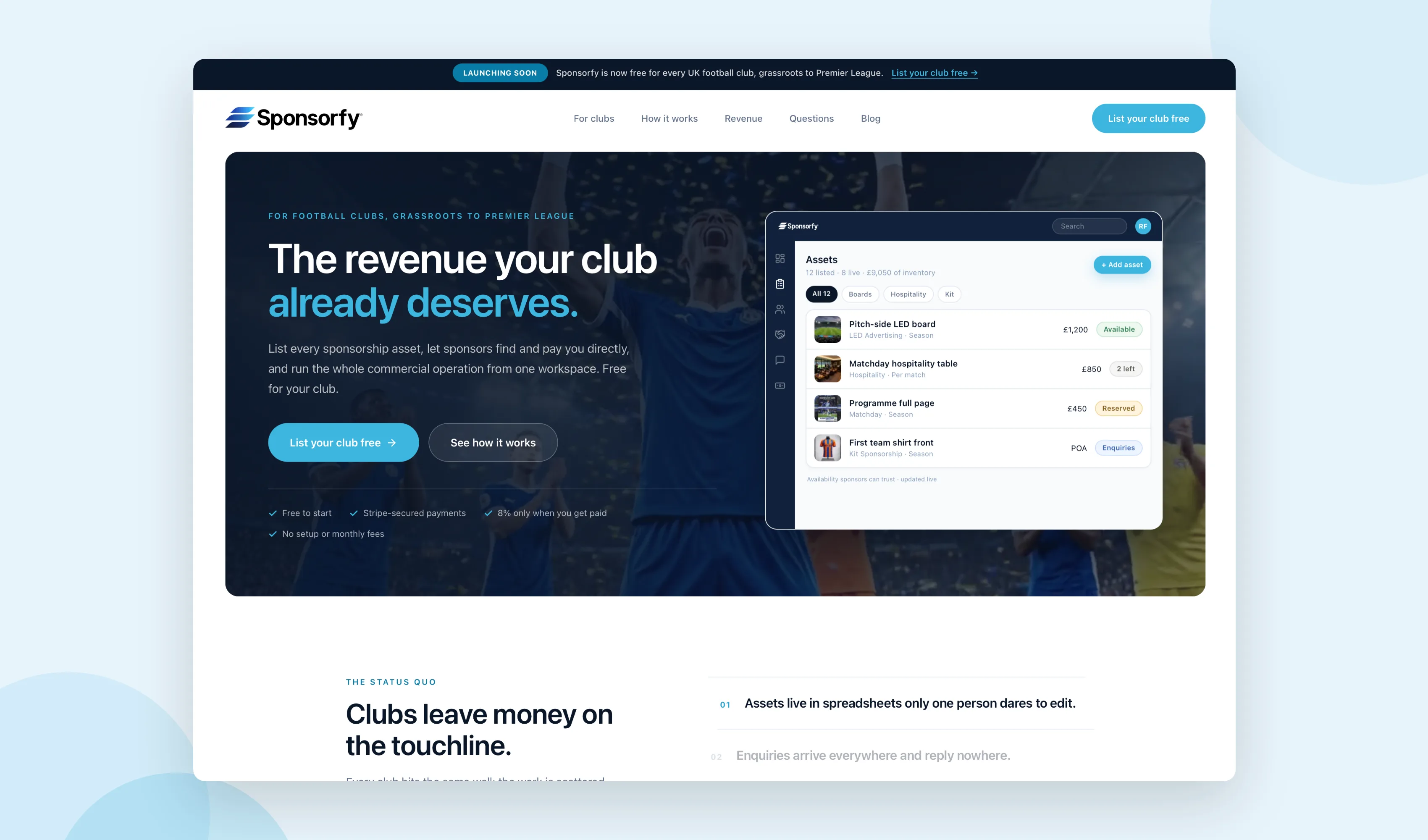
How to communicate your value proposition
You need to work out how to explain your idea to other people such that it is both easy to understand, and an exciting proposition. To do this effectively you need to understand your audience and customer segment.
When a new marketplace launches, decide which side is constrained and seed that side first. Seller onboarding often comes first when buyers would otherwise find too little supply, but some marketplaces need to prove buyer demand first.
Let’s take a look at some of the ways you can successfully communicate your value proposition to your sellers and customers:
- Identify your USP and brand
- Determine your UX design and user journey
- Collate reviews/social proof
- Make sure you have clear CTA’s (Calls to Action)
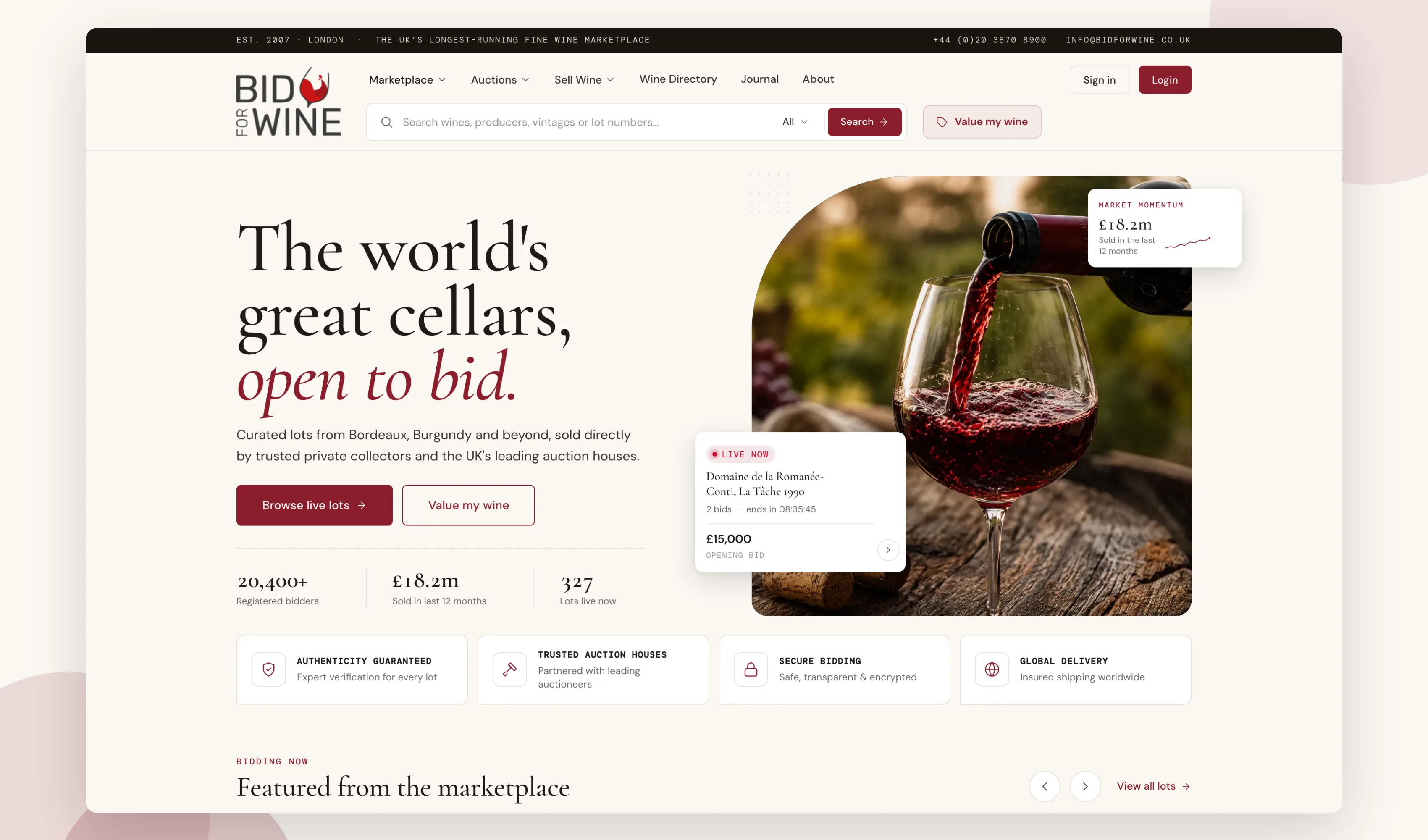
Remember, you’re looking for vendors AND customers. Use your acquisition and conversion data to decide which call to action should be the focal point, and give the other audience a clear route of its own. You’ll want a catchy line that explains your brand proposition in its most simplistic form, or hooks people in by recognising what their need is. Narrow things down by getting users to input their geographical location if that’s appropriate.
Use images that potential customers can relate to. If not images that are taken purely for your purposes, look at stock imagery and match to your target audience as closely as you can. As soon as possible, add testimonials so that people can relate to their own experience. Testimonials can have a real impact on potential customers.
Following this, draw in vendors in a similar way, give them a reason to want to trade through you. You’ll probably want to direct vendors to a separate onboarding page so that you can be more specific.
Getting the tone and value proposition on your marketplace correct is crucial when creating that all-important first impression. Make sure you carry that tone (and visuals) on in all of your communication so everything is professional and cohesive.
Once you have your style in hand you’ll need to move on to the customer experience of your marketplace. This incorporates not just what it looks like but how it actually works for your users.
Frequently asked questions
What makes a good value proposition for a marketplace?
One sentence that says who it's for and what changes for them, provable on the page it sits on. Good marketplace value propositions name a specific problem, finding a trusted supplier, filling a spare room, selling surplus stock, rather than a generic promise like the best place to buy and sell. If a stranger can't repeat it back after reading your homepage once, it needs cutting down.
Should sellers and customers see the same value proposition on my marketplace?
No. They're solving different problems, so they need different pitches even if the underlying platform is the same. Customers want to know what they'll find and why they can trust it. Sellers, suppliers or vendors want to know why trading through you beats going direct or using someone else. Say both clearly, on their own pages, rather than trying to write one line that covers everyone.
How long should a marketplace value proposition be?
Short. A headline of a handful of words, backed by one sentence underneath that adds the detail a headline can't carry. Longer copy is more likely to be skipped before the visitor understands the offer. Save the fuller explanation, features, pricing and proof for the sections below the fold, once you've earned the extra attention.
When should I test my marketplace's value proposition?
Before you brief a designer or spend on ads, not after. Show your proposed headline and sub-line to a handful of people who fit your target customer or seller and ask them, unprompted, what they think you do. If they get it wrong or hesitate, the line isn't ready. It's a cheap check that can prevent expensive rework later.
Next step
A value proposition isn't something you write once and forget. It's the first thing a buyer and a seller both have to understand about you, in completely different ways, before they'll trust you with either their money or their stock.
If you're not sure yours is landing, that's worth finding out before you brief a designer or spend on ads. The Marketplace Growth Review is a free 30-minute call that helps you judge how clearly your marketplace is positioned to both sides and gives you a straight view on whether the message is clear. If you want it in writing, the Marketplace Growth Plan goes further: your buyer and seller journeys, your messaging and a fixed price for what's next. We've built 50+ marketplaces over 15+ years, so we can pressure-test how clearly the proposition explains the offer to each side.
Build the marketplace
Start with the workflows that make the model work.
We’ll map buyers, sellers, payments and operations before the build, backed by experience from more than 50 marketplace projects.


