Wishlists: The bridge from browsing to buying
Wishlists help marketplace buyers save what they're not ready to buy yet. Code23 on what makes them convert, and what the saved-item data tells you.
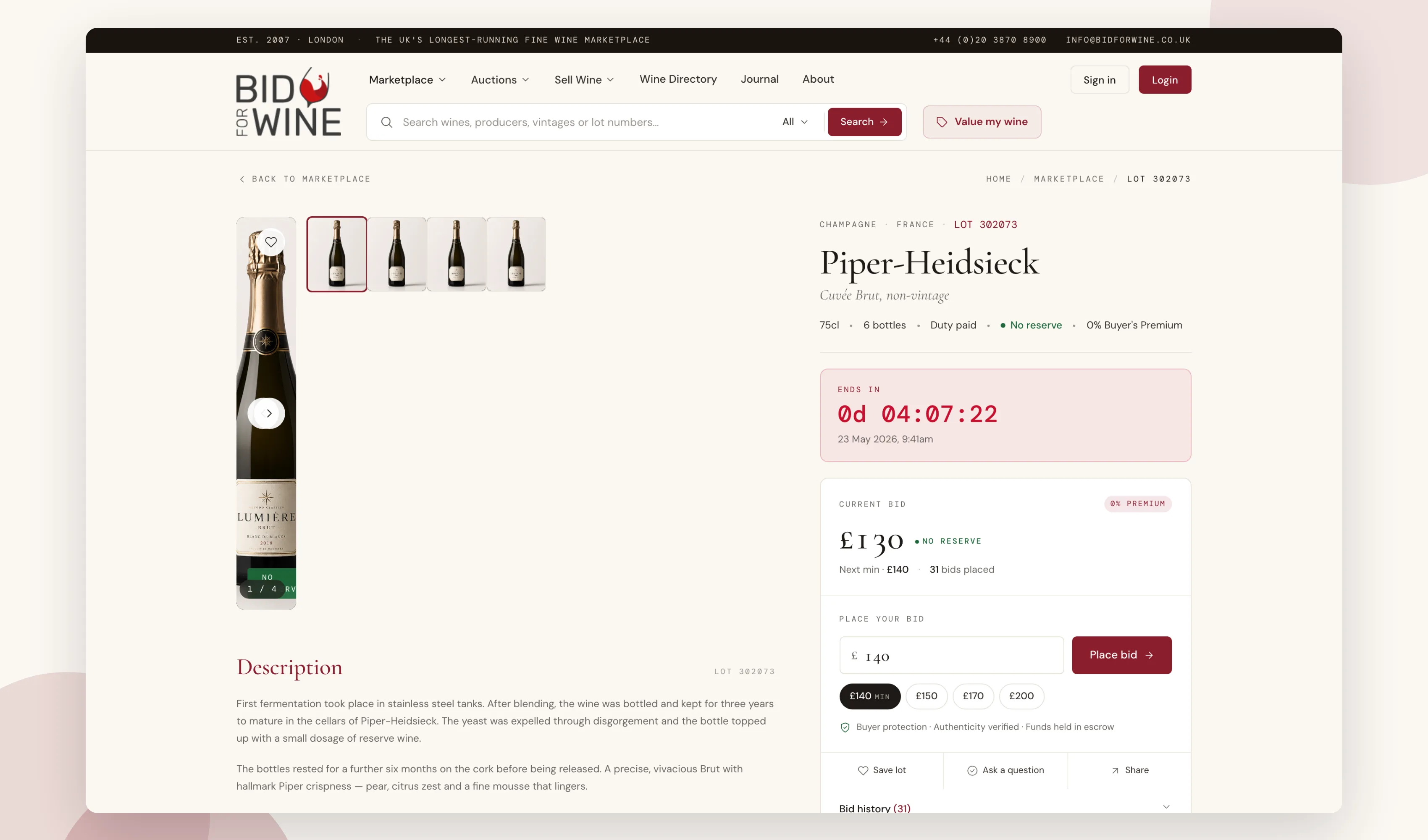
A wishlist lets a browser save something they may want to return to later: a heart or save icon that lets someone hold onto something they're not ready to buy yet, without losing it in a search they'll never repeat. It's a small feature we add to the marketplaces we build at Code23, because it earns its place twice over. For the buyer, it's somewhere to park interest instead of losing it. For you, it's a signal: which items get saved and never bought, which get watched until the price moves, and where your search and recommendations should be paying more attention. Done well, a wishlist doesn't just flatter the buyer. It tells you where the friction sits in your own marketplace.
What is a wishlist?
A wishlist is a curated list of a user's desires. It’s a digital collection of products or services a user has set their sights on, signalling interest but withholding immediate commitment. It mirrors the practice of window shopping; where a shopper’s interest is piqued, but the decision to buy is postponed, often with intentions to return.
Why are online wishlists important?
With a wide range of choices, and distractions like advertisements and promotions, maintaining focus when shopping online is challenging. Here’s where a wishlist emerges as an anchor, steering users back to their initial interests and potentially nudging them closer to a purchase.
"James and his team is always responsive to any support I need and did an excellent job in re-designing and re-building our marketplace website... It was great to be part of the re-design process and working with James and his team has been a truly positive experience."
Crafting a converting wishlist
While incorporating a wishlist is a start, its efficacy depends heavily on its structure and experience. Here’s a guide on building a wishlist that doesn’t just list, but converts:
Accessibility
Adding items to a wishlist should take a single tap. A universally recognised icon, such as a heart or star, makes immediate recognition and action more likely.
Reminders
Periodic reminders about wishlist items, especially if they’re now available at a discount or are back in stock, can be the nudge that leads to purchase.
Shareability
By allowing wishlists to be shared on social media or via email, users can broadcast their desires, leading to discussions, recommendations, or even gifting opportunities.
Flexibility
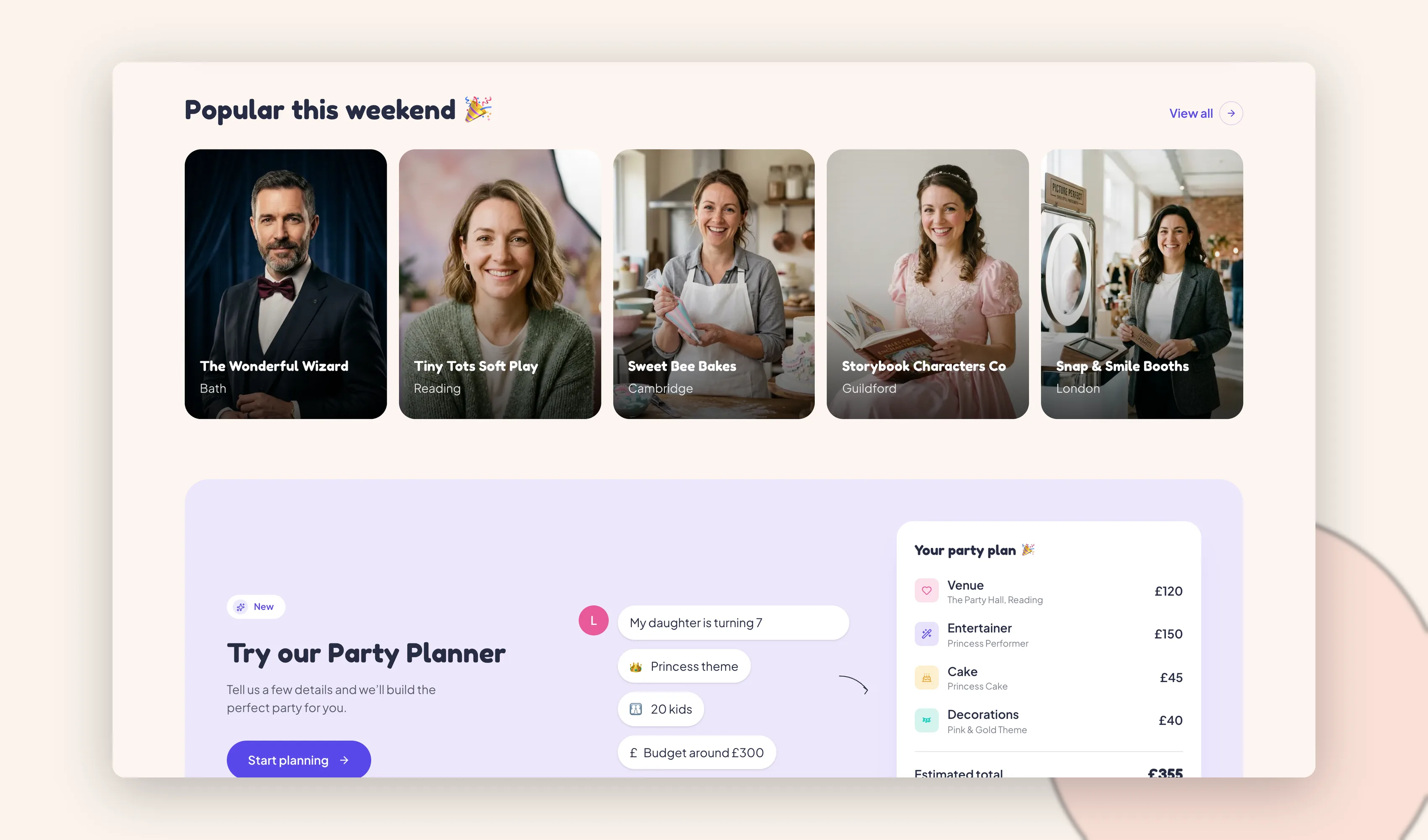
A wishlist may let users categorise or rank saved items and set relevant reminders; test whether those controls improve return visits or later purchases.
The psychology behind wishlists
Beyond its digital presence, a wishlist is a reflection of a user's interest. Saving an item signals interest, not commitment. Treat it as a weak behavioural signal whose meaning must be tested against later actions.
Strategies to turn wishlists into checkouts
Wishlists are not passive entities. They have the potential to encourage users towards making a purchase. Here are some strategies to facilitate this:
Urgency tactics
Accurate, current alerts about a genuine stock or availability change can prompt a return visit.
Personalised incentives
Relevant offers may prompt a return visit, but test their effect and avoid implying that a saved item proves purchase intent.
Engaging through social proof
Using reviews, user-generated photos or testimonials can build confidence and encourage buyers to turn wishlist items into purchases.
Conclusion
A wishlist is a saved-item feature that may support later purchases when reminders, availability and recommendations are relevant. As marketplaces harness the wishlist’s power, understanding and aligning it with consumer behaviour is paramount.
Wishlist activity signals interest, but its meaning must be tested against later behaviour.
Frequently asked questions
Do wishlists actually increase marketplace sales?
A wishlist itself doesn't create a sale. What matters is what happens after someone saves something: whether you nudge them for a real reason, like a price drop or back in stock, rather than a blanket email, and whether you're using saved-item data to improve search and recommendations. Treat it as a signal to act on, not a feature to tick off.
Should every marketplace have a wishlist feature?
A wishlist may be useful where buyers browse before they are ready to act: fashion, homeware, services booked in advance. It matters less on marketplaces built around urgency, like live auctions or same-day bookings, where the decision happens fast. Worth checking against how your buyers actually shop before you build it in.
What's the difference between a wishlist and a shopping cart?
A wishlist holds things someone might want. A cart usually signals stronger purchase interest than a wishlist, but it does not prove the buyer has decided to purchase. Keeping them separate matters: mixing the two makes your abandoned-cart data unreliable and your reminder emails feel pushier than they should.
Can AI make wishlists more useful for marketplace owners?
Yes, within limits. Aggregated wishlist patterns may inform search and recommendation experiments after data-quality, privacy and consent checks. We'd let that shape suggestions automatically, but keep a person deciding anything that touches pricing or direct customer contact.
Next step
A wishlist is one small feature. The real question is what your marketplace does with the signal it gives you: which items get watched, which ones get a nudge, and which patterns should be shaping your search and recommendations instead.
If you’re building a marketplace and want that thought through properly rather than bolted on at the end, our free Marketplace Growth Review is a 30-minute call on what your buyer journey needs. The Marketplace Growth Plan is the written version, credited against your build if you go ahead. We’ve built 50+ marketplaces over 15+ years, and we bring that experience to that decision.
Build the marketplace
Start with the workflows that make the model work.
We’ll map buyers, sellers, payments and operations before the build, backed by experience from more than 50 marketplace projects.


