From Pitch to Funding: How to raise marketplace venture capital funding
How to raise venture capital for a marketplace: the pitch, the process, due diligence and what investors actually check. A 2026 guide from Code23.
A marketplace fundraising process commonly includes a business plan covering take rate and unit economics, suitable investors, stage-appropriate evidence, preparation for due diligence and enough time for the process, which may take months. At Code23 we build the marketplaces that founders take into these conversations, so we see the technical questions founders need to answer during fundraising.
Worth saying upfront: 2025 was a tougher year for UK venture capital fundraising overall, and 63% of the £8bn invested went to deeptech and AI companies. The report does not break out marketplace funding, and some marketplace businesses may also fall within its deeptech or AI categories. Founders should present evidence appropriate to their own stage and model. VC isn’t the only way to fund a marketplace, and it isn’t right for every business. This is general information, not investment or legal advice, so check your own numbers with a professional before you rely on them.

Contents
- Step 1: Develop your business plan and pitch
- Step 2: Research and Identify potential Investors
- Step 3: Make contact and schedule meetings
- Step 4: Prepare for due diligence
- Step 5: Negotiate the deal and close it
- Tips for raising marketplace venture capital
- Frequently asked questions
- Next step
Step 1: Develop your business plan and pitch
Before you start seeking out venture capital funding, you need to have a solid business plan and pitch deck. Your business plan should include a detailed description of your marketplace, target audience, the problem it is solving, competition analysis, and financial projections. Your pitch should be concise, clear, and compelling to the investor. It should highlight your unique value proposition, your team’s expertise, and the potential for growth.
Step 2: Research and Identify potential Investors
Once you have a strong business plan and pitch, it’s time to start researching potential marketplace investors. You want to look for investors who have experience in your industry, a track record of successful investments, and who share your vision for the marketplace. You can start by attending industry events, networking, and reaching out to other entrepreneurs in your network for recommendations.
Step 3: Make contact and schedule meetings
When you have identified potential investors, it’s time to make contact and schedule some meetings. You can reach out to investors through email or phone, and briefly introduce your marketplace and your interest in meeting to discuss venture capital financing opportunities. Once you have made contact, you can schedule a meeting to pitch your business plan and answer any questions the investor may have.
Step 4: Prepare for due diligence
After meeting with potential investors who express an interest, you will likely be asked to undergo a due diligence process. Due diligence is a comprehensive investigation into your business, financials, and legal affairs to ensure that your marketplace business is a good investment opportunity. To prepare for due diligence, you will need to have your financials in order, your legal agreements in place, and your team structure clearly defined.
"Code23 totally redesigned and rebuilt my online marketplace (WowThankYou) nearly 3 years ago, and have continued to support the site, and us, ever since… Without James and his team I couldn’t guarantee we’d still be trading!"
Step 5: Negotiate the deal and close it
Investors commonly agree headline terms before detailed or confirmatory due diligence. If diligence is satisfactory, the parties negotiate final documents and closing conditions, covering the amount of funding, the equity stake in your marketplace and any other terms relevant to the investor. Funds transfer only when the investment closes, and you can then put it to work building and growing your marketplace.
Tips for raising marketplace venture capital
Now that you have a general understanding of the steps to take, here are some additional tips to help you raise venture capital for your marketplace:
1. Build a strong team
Investors want to see a strong and experienced team that can execute on the marketplace’s vision. This includes not only the founders but also any key hires that will help build, support and grow the business.
2. Focus on traction
Investors look for evidence appropriate to the company's stage, which may include research, pilots, active users, transaction data or revenue. Make sure you are tracking and reporting on key metrics, some of which are listed in our post: 10 key marketplace metrics to measure success.
3. Understand your market and competition
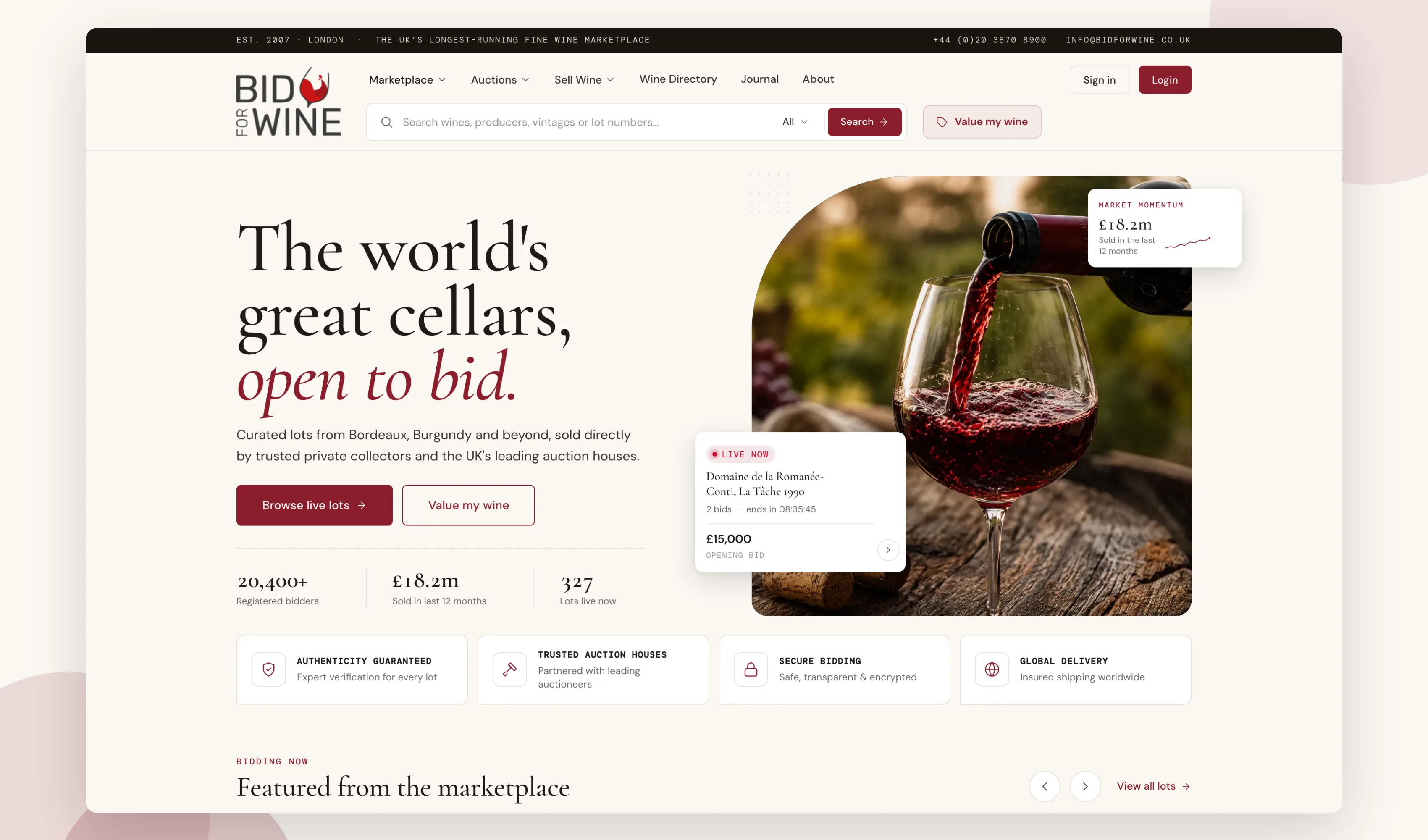
Investors want to see that you have a deep understanding of your market and competition. Be prepared to discuss how you plan to differentiate your marketplace from competitors and what makes your business unique.
4. Be prepared to pivot
Marketplaces can be unpredictable, so it’s essential to be flexible and willing to pivot when necessary. Investors want to see that you have a plan in place for pivoting if the market changes or your initial strategy isn’t working.
5. Seek out feedback
Don’t be afraid to seek out feedback and advice from industry experts and your early adopters. They can offer valuable insights and help you refine your pitch and strategy.
6. Have a clear vision for growth
Investors want to see that you have a clear vision for growth and a plan for scaling your marketplace. Be prepared to discuss how you plan to expand your user base, increase revenue, and enter new markets.
7. Be patient and persistent
Raising venture capital funding can be a long and challenging process. It’s essential to be patient and persistent in your pursuit of funding. Don’t be discouraged by rejections or setbacks, and keep pushing forward.
Raising venture capital investment for your marketplace requires a solid business plan, a strong team, and a clear vision for growth. It’s important to research and identify potential investors, prepare for the due diligence process, and negotiate the terms of the deal.
These steps can help you prepare for fundraising, but they do not guarantee investment or business success. Remember to stay patient, persistent, and be open to feedback along the way.
Frequently asked questions
How do you actually get VC funding for a marketplace startup?
Start with a business plan that shows your take rate and unit economics, not just the idea. Build a shortlist of investors who've backed marketplaces before, get warm introductions where you can, and bring evidence appropriate to your stage, which may include research, pilots, active users, transaction data or revenue. Code23 builds the marketplace platforms founders pitch with, so we see this from the technology side of the table too.
Should you bootstrap a marketplace instead of raising VC?
Bootstrapping keeps you in control and forces discipline, but it can constrain the pace of investment. VC can provide more capital, but does not guarantee speed or growth, and comes at the cost of equity and outside expectations on your roadmap. Neither is automatically right. If VC money would just fund the same mistakes faster, fix the model first.
What's the downside of taking VC money for a marketplace?
You give up equity and some control over decisions, and investors will expect a growth pace that can push you into hiring, spending or pivoting faster than feels comfortable. Board reporting and future funding rounds add ongoing overhead too. It can be the right trade for the right business, but it's a trade, not free money.
What do investors check during due diligence on a marketplace?
Beyond the financials and legal paperwork, investors dig into your data: real user numbers, take rate, retention and how dependent the business is on a handful of big buyers or sellers. A platform that can't produce clean, trustworthy numbers on demand raises more questions than it answers. It's one of the things our Marketplace Growth Review checks before you're in the room.
Sources
Next step
If you’re getting a marketplace ready to pitch, the platform is part of the story investors will test, alongside the model and the traction. A shaky admin panel or numbers you can’t produce on demand undermine a good pitch fast.
Our free Marketplace Growth Review is a 30-minute call that helps you work out whether your platform and your numbers are ready for that conversation. If you want the written version to take into due diligence, the Marketplace Growth Plan reviews your platform, traction and technical risk and gives you a plan you can hand to your board or investors. We’ve built 50+ marketplaces over 15+ years, and we bring that experience to the technical and product questions raised during fundraising.
Build the marketplace
Start with the workflows that make the model work.
We’ll map buyers, sellers, payments and operations before the build, backed by experience from more than 50 marketplace projects.


