Cross selling & up selling to boost marketplace sales
Cross selling and up selling can improve average order value on some marketplaces when recommendations are relevant, transparent and tested. Code23 explains how they work, where to place them and how to price them so buyers say yes.
Cross selling and up selling can improve average order value on some marketplaces when recommendations are relevant, transparent and tested. They use existing traffic you've already got, rather than spending on new traffic, but still carry implementation and operating costs, and results are not guaranteed. Cross selling suggests a different but related product or service alongside what a buyer's already chosen; up selling nudges them towards a higher-value option, a bigger tier or a useful add-on. Done well, both can lift average order value and make the shopping experience feel more complete, not pushier. At Code23, we build marketplace platforms, and the ones that get real value from cross selling and up selling are the ones that build the suggestions into the product data itself, what really pairs with what, which upgrades are worth showing, and where in the buying journey a suggestion actually lands. Get the data and the placement right, and the recommendations can support the sale. Get them wrong, and buyers just see clutter.
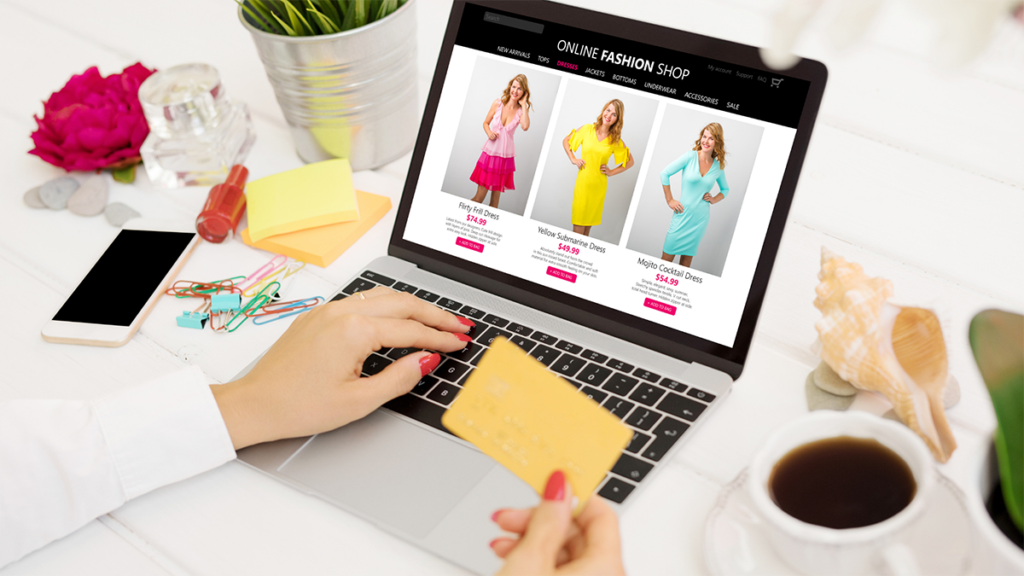
What is cross selling?
Cross selling is a sales method that promotes the acquisition of additional items related or complementary to the one that a customer has initially chosen. The goals of cross-selling are to increase the overall purchase value, enrich the customer experience, and nurture customer loyalty.
You can spot a typical instance of cross-selling at a brick-and-mortar store’s checkout area, where minor items like chewing gum, magazines, and snacks are displayed to spur spontaneous buys.
In the online marketplace, cross-selling may be seen as suggestions like “Customers who purchased this also purchased…” or “You might also be interested in…”
What is up selling?
Upselling, in contrast, is a technique that encourages customers to opt for a pricier or higher-end variant of the product they’re contemplating, or to supplement their purchase with specific add-ons or services that increase the product’s value.
Upselling can increase the average order value. A properly useful upgrade may improve satisfaction; irrelevant recommendations can reduce trust.
An upselling scenario might involve a smartphone retailer recommending a customer to purchase a model with greater storage or a package that comes with a protective case and screen protector.
How do cross selling and up selling operate within a marketplace?
Cross selling and up selling methods, when adeptly executed in a digital marketplace, can be tested for an effect on order value and satisfaction. Rules, manually curated relationships or algorithms can drive recommendations, using data to offer fitting suggestions. Here’s a breakdown of their typical workings:
Data analysis
A cross selling and upselling plan begins with data. By dissecting shopping behaviours, previous purchases, browsing patterns, and more, marketplace platforms can anticipate what customers may be inclined to purchase along with or in place of their current choice.
For instance, if a customer is looking at a laptop, an upsell could involve suggesting a model with greater capabilities and a larger screen, while a cross-sell could propose a laptop case or wireless mouse.
Personalisation
Cross-selling and upselling methods gain traction when they are personalised. By employing customer data, including prior purchases, viewed items, and search inquiries, a marketplace platform can tailor the shopping experience for each user, showcasing relevant upsells and cross-sells.
This customisation could manifest in the form of product recommendations, customised emails, or targeted advertisements, all intended to persuade the customer to expand the value of their purchase.
Any behavioural tracking or targeted advertising you build on this data needs a lawful, transparent setup that complies with applicable cookie rules. See the ICO's cookie guidance before switching on tracking-based recommendations.
Contextual positioning
Contextual positioning denotes the strategic placement of cross-sells and upsells at various stages of the shopping journey. They could be displayed when the customer is viewing a product, when they add an item to their basket, or even during the checkout process.
For instance, after adding a smartphone to their basket, a customer might be offered an upsell to a package that includes a protective case and screen protector. Simultaneously, a cross-sell might suggest related products like headphones or a charging cable.
Pricing strategy
Pricing plays a critical role in the success of cross selling and upselling strategies. Upsells should present clear value for the extra cost, such as superior features, enhanced durability, or an improved warranty.
Conversely, price additions according to genuine value and show the full total clearly, reflecting what the extra product or service brings to the customer.
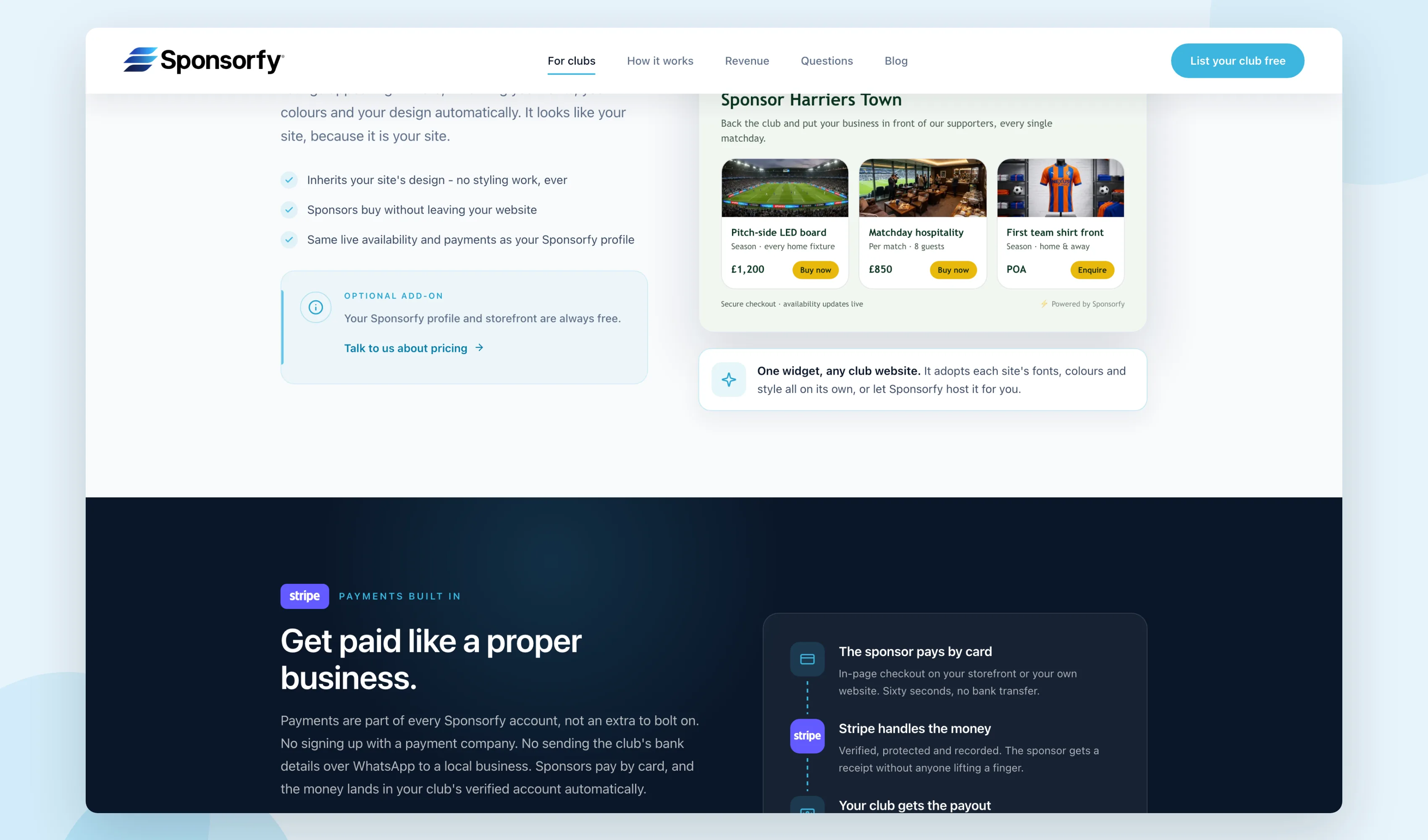
Enhancing marketplace sales through cross selling and up selling
Relevant cross-sells and upsells may affect order value, retention or revenue, but measure each outcome rather than assuming it. Here are some essential ways to propel sales on your marketplace using these techniques.
1. Integrating intelligent algorithms
Rules, curated relationships or algorithms can generate suggestions by comprehending and predicting customer behaviour. Evaluate their quality with controlled tests, because any approach, including AI, can produce irrelevant or unstable results.
2. Emphasising value
For upselling and cross-selling strategies to take effect, customers must recognise the value in the pricier or additional product. Hence, it’s crucial to clearly underscore the benefits and features of the upsell or cross-sell product. Craft compelling product descriptions, utilise high-resolution images, and if possible, display customer reviews and ratings.
"…I had a thorough conversation with director James who assured me he and his team could help and introduced me to some great options in design for an affordable price… I’d like to also thank Isaac and the rest of the team in producing a stunning, professional and sleek website. I’ll definitely be using the team for continued work and future projects!"
Ensuring relevance
Relevance is crucial to successful cross-selling and upselling. Customers should find the suggested additional products useful and complementary to their current choice. This relevance can be determined based on individual customer behaviour, trending products, or even seasonal trends. Relevance is a hypothesis to test against acceptance, order value, returns and satisfaction.
Providing product bundles
Product bundling can be an excellent way to encourage both cross selling and upselling. A discounted bundle may change purchase behaviour; test whether buyers value the combination and whether the margin still works. For example, if a customer is considering a camera, a bundle of a memory card and camera bag is a cross-sell; a higher-spec camera would be an upsell.
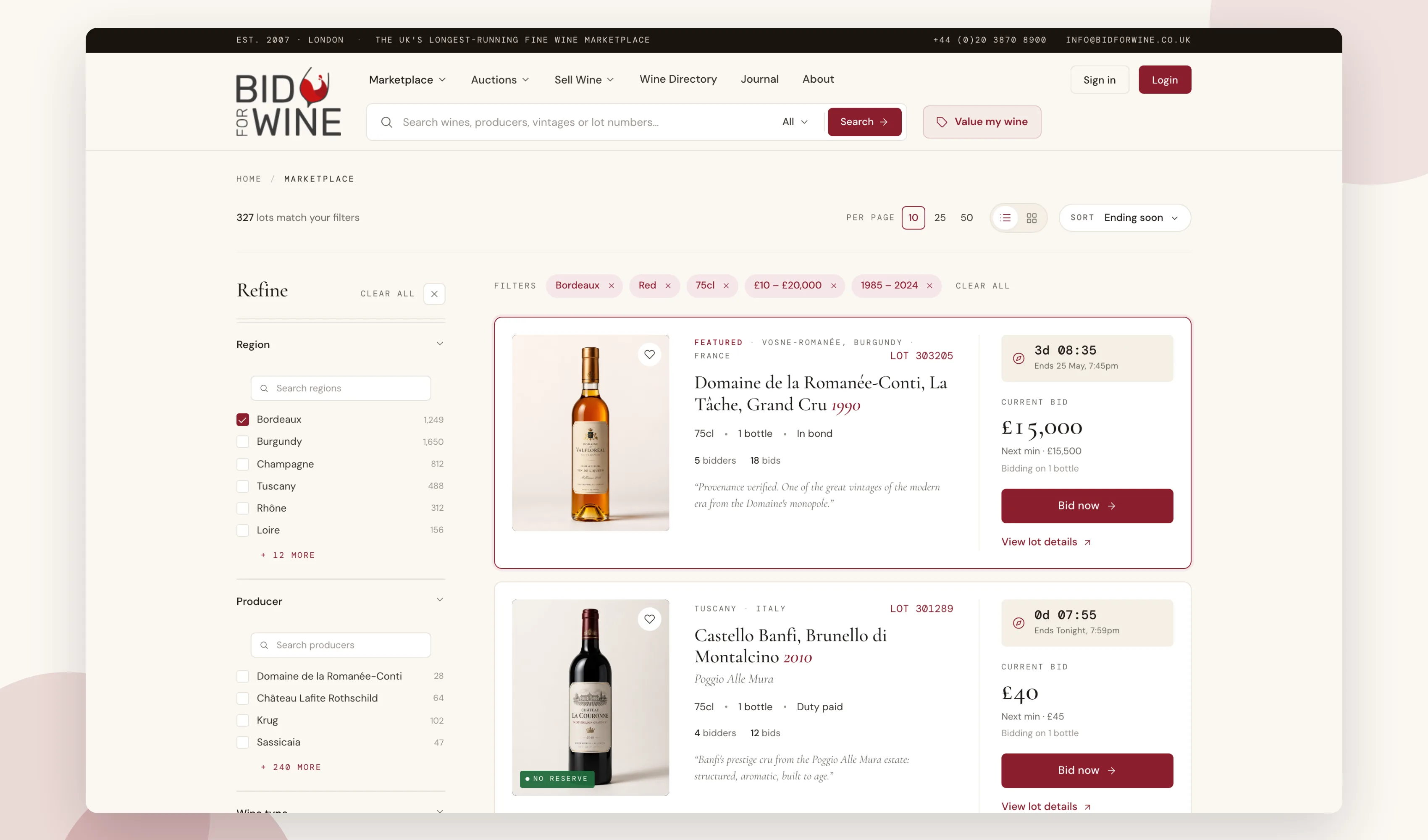
Capitalising on email marketing
Email marketing can be a useful tool for cross-selling and upselling. After a customer completes a purchase, you could send a follow-up email suggesting relevant products they might be interested in, provided they've consented to marketing or you have a valid soft opt-in as an existing customer, with an opt-out offered at collection and in every message. See the ICO's electronic mail marketing guidance before sending these. Done well, this offers a potential increase in sales and serves as a useful customer service touchpoint.
Conclusion
The introduction of cross selling and up selling features and strategies on your marketplace platform can be tested for an effect on sales and satisfaction. By understanding what these techniques involve and how they function, you can utilise them to amplify your marketplace’s performance.
Remember, the key lies in offering value to your customers, making relevant suggestions, and using data to customise the shopping experience. With a well-planned approach to cross-selling and upselling, you can help your marketplace get more from the customers it already has.
Frequently asked questions
What's the difference between cross selling and up selling?
Cross selling suggests a different, complementary product or service alongside the one a buyer's already chosen, like a case with a phone. Up selling suggests a better version of the same choice, like more storage or a longer warranty. Marketplaces that do both well treat them as separate mechanics with separate rules, not one generic 'recommended for you' block.
Where should cross selling and up selling suggestions appear on a marketplace?
The product page is the natural spot for an up sell, since the buyer's already comparing options. The basket can be tested for a cross-sell, but an item in a basket does not mean the purchase is settled; monitor abandonment as well as order value. Showing both everywhere just adds noise and slows the buyer down.
Do cross selling and up selling actually increase average order value?
They can, when the recommendation provides clear value at a suitable point in the journey, but the effect must be measured. A marketplace with clean product data, tested placement and sensible pricing rules is more likely to see an effect, but must measure it, compared with one bolting a generic recommendation widget onto every page.
Can an off-the-shelf marketplace platform handle cross selling and up selling well?
Up to a point. Many platforms or plugins support basic 'customers also bought' suggestions out of the box, depending on the product and extension. The limits show up when you want rules based on your own margin, stock or seller data, which usually means custom logic sitting on top of, or replacing, the built-in recommendation engine.
Next step
If you're not sure whether cross selling and up selling would move the needle on your marketplace, the fastest way to find out is to look at your actual product data and where buyers drop off before they check out.
Our free Marketplace Growth Review is a 30-minute call that helps you judge whether cross selling and up selling are worth building next. If you want it built, the Marketplace Growth Plan scopes the work at a fixed price, credited in full against the build if you go ahead.
We bring experience from 50+ marketplace builds to deciding which mechanics are worth testing on yours, and which ones just add clutter.
Build the marketplace
Start with the workflows that make the model work.
We’ll map buyers, sellers, payments and operations before the build, backed by experience from more than 50 marketplace projects.


